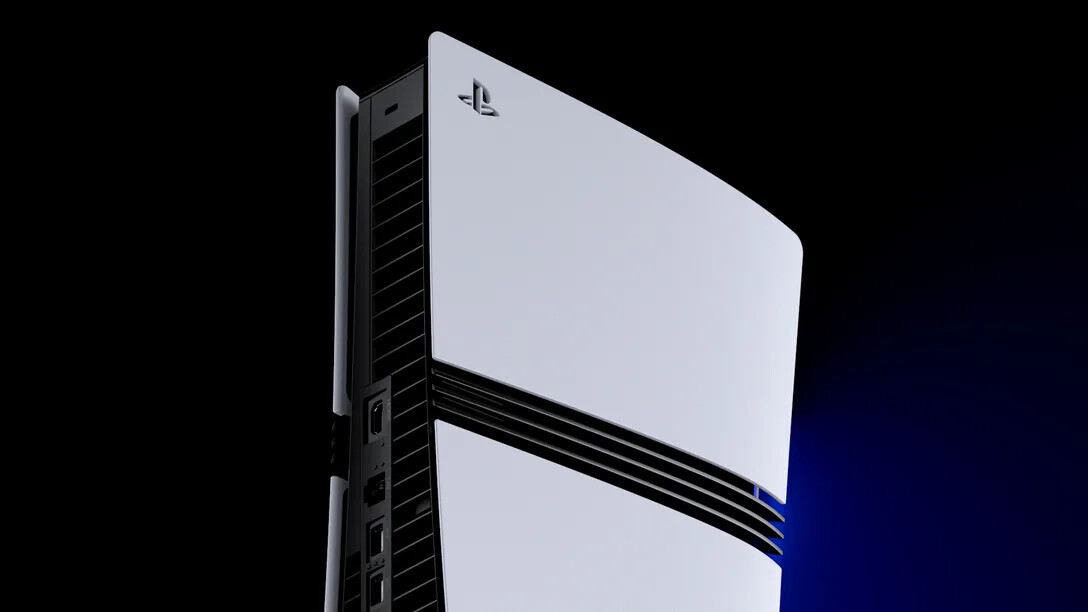
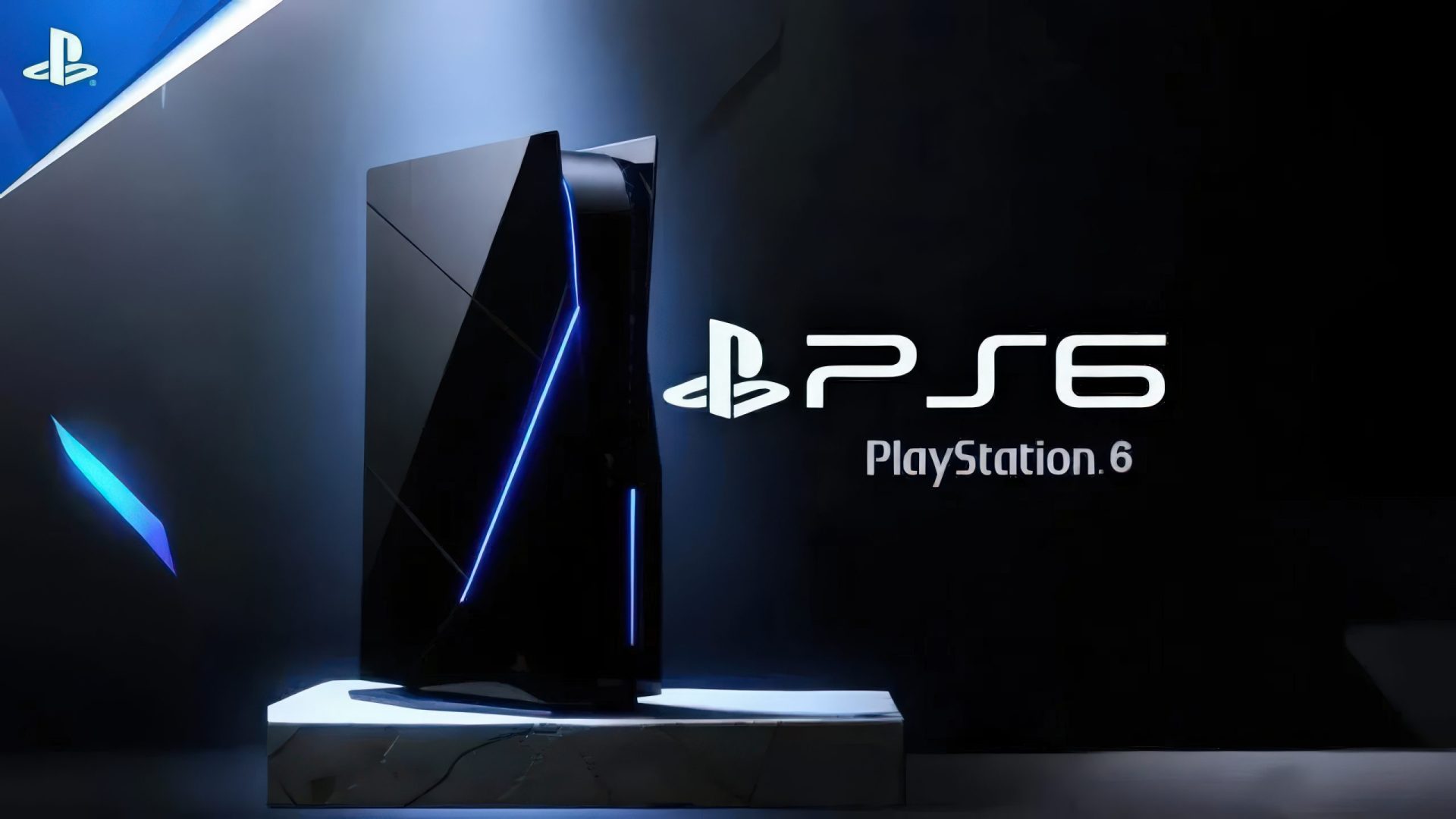
The PlayStation 6 is poised to deliver a significant leap in ray-tracing performance, potentially running games with path tracing at 60 frames per second. This would mark a major milestone for console gaming, as such performance has long been considered beyond the reach of home consoles. However, whether this potential will be fully realized remains uncertain, particularly due to Sony’s requirement for handheld support—a factor that could impose limitations on graphics and gameplay depth.
At the heart of the PlayStation 6 lies AMD’s RDNA 5 architecture, an evolution designed specifically for high-performance ray tracing. While the exact gains in real-world scenarios may not match the theoretical 10x improvement over the base PlayStation 5, the technology appears capable of pushing path-traced visuals to a smooth 60 FPS experience. This would represent a significant advancement, even on hardware that is already pushing boundaries.
To contextualize this potential, consider the recent demonstration on the PlayStation 5 Pro, where Codemasters achieved 30 FPS path tracing in F1 25 using heavy optimization techniques codenamed 'ORCA.' This was no small feat; without such optimizations, the game would have struggled to maintain even 20 FPS. The PlayStation 6, with its superior ray-tracing capabilities, could take this further—assuming the technical and design challenges are met.
Yet, the path to widespread adoption of these advancements is not without obstacles. One of the most pressing concerns is the impact of mandatory handheld support on next-generation games. While the GPU itself may be more than capable, the CPU workload—particularly in handling physics and crowd density—could become a bottleneck. This raises questions about whether developers will prioritize visual fidelity at higher frame rates or vice versa, potentially leading to trade-offs that limit the full potential of the hardware.
For PC builders and enthusiasts, this situation serves as a reminder of the complexities inherent in next-gen gaming. The PlayStation 6’s RDNA 5 architecture represents a bold step forward, but its success hinges on balancing performance across multiple platforms. Whether Sony can navigate these challenges without compromising on visual quality or gameplay experience remains to be seen.