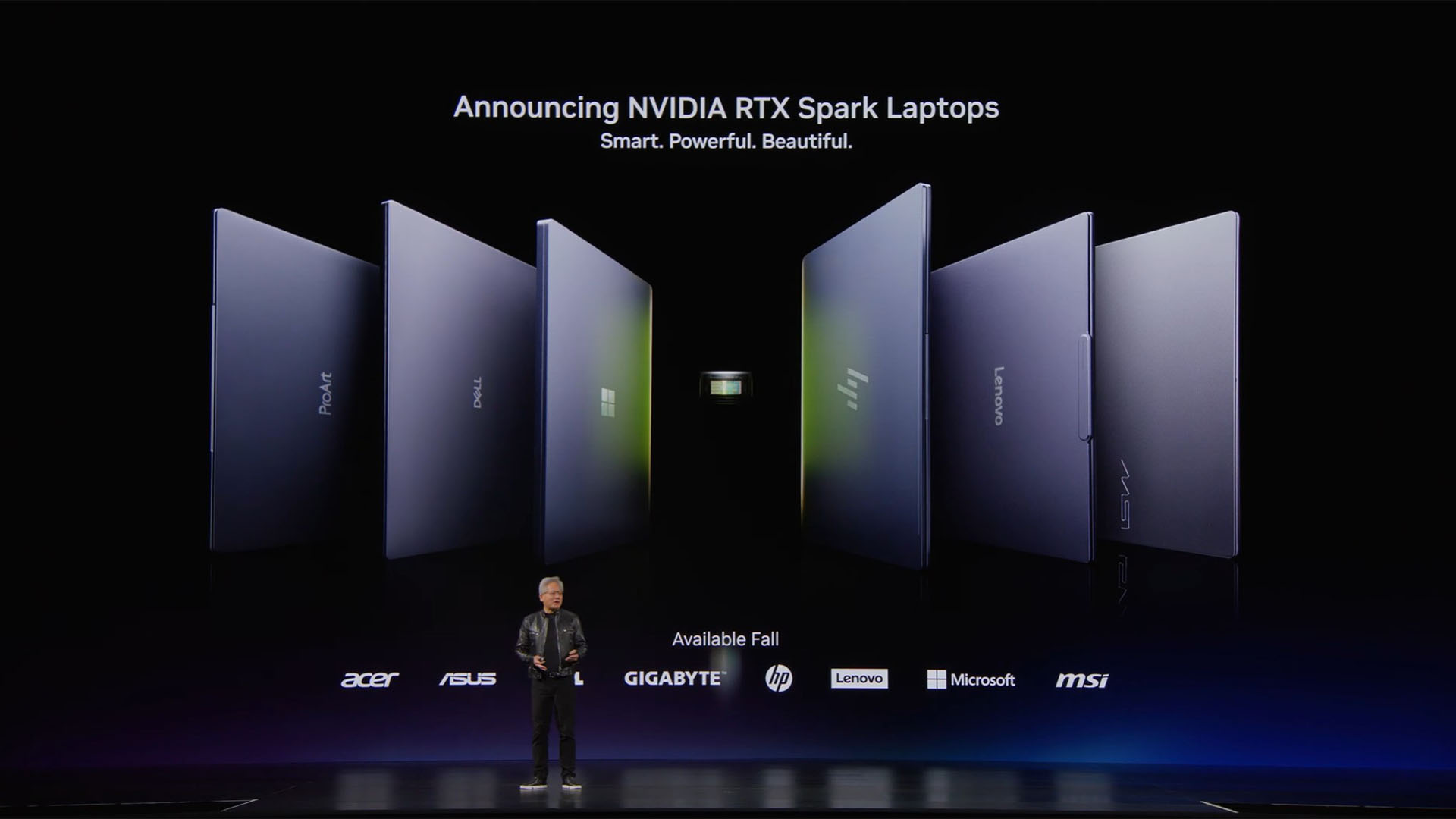
NVIDIA's RTX Spark series marks a significant departure from traditional high-end gaming GPUs, prioritizing power efficiency while maintaining strong performance metrics. The introduction of LPDDR6 memory and new architectures signals a broader industry trend toward sustainable hardware solutions that could redefine how gamers approach upgrades.
Design and Build: Streamlining for Efficiency
The RTX Spark series is built around a more compact thermal design, reflecting NVIDIA's commitment to reducing power consumption without sacrificing performance. The use of LPDDR6 memory is a key differentiator, offering lower latency and reduced power draw compared to GDDR6. This shift is particularly impactful for laptops and all-in-one systems, where thermal throttling has historically limited performance.
Hardware Innovations: What’s Changing?
- Memory: 12GB LPDDR6 (18Gbps) or 16GB GDDR6 (16Gbps)
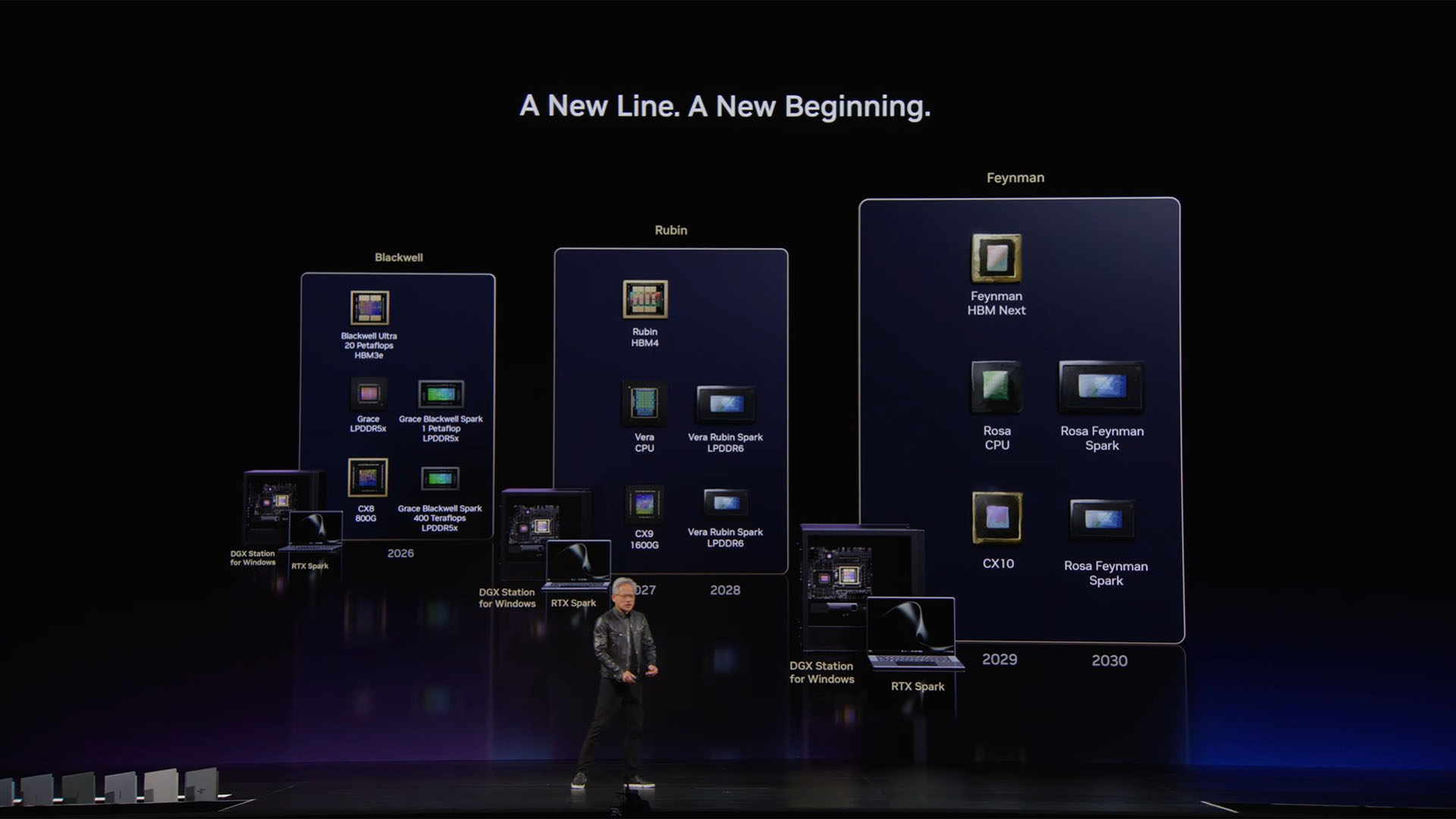
- Architecture: Ada Lovelace-based for the initial RTX Spark models, with Vera Rubin Spark and Rosa Feynman Spark set to arrive in 2027
- Performance: Up to 32 TFLOPS FP32 compute for the RTX Spark lineup, with future architectures targeting even higher efficiency
- Connectivity: HDMI 2.1, DisplayPort 1.4a, and USB-C with Power Delivery support
The move to LPDDR6 is a notable advancement, as it provides the bandwidth of GDDR6 while consuming less power. However, the higher cost of LPDDR6 modules may limit immediate adoption among budget-conscious gamers. For those willing to invest, the benefits in terms of thermal performance and longevity could make this series a compelling choice.
Who Stands to Gain?
Enthusiasts and content creators will likely find the RTX Spark series particularly appealing. The Ada Lovelace architecture ensures robust performance in ray tracing and AI-accelerated tasks, making it a strong contender for those already engaged with NVIDIA's ecosystem. For everyday users, the decision hinges on whether the advantages of LPDDR6 justify the premium price point.
Looking Ahead: The Future of Gaming GPUs
The full rollout of Vera Rubin Spark and Rosa Feynman Spark in 2027 will be a critical milestone for NVIDIA's strategy. If these architectures deliver on their promise of efficiency, they could set a new benchmark for gaming hardware. Gamers should watch for pricing and availability updates, as this series may represent a turning point toward more sustainable and power-efficient solutions.