Nvidia’s annual GPU Technology Conference (GTC) is shaping up to be a stage for more than just the usual AI and data center updates. In a recent interview, CEO Jensen Huang dropped a cryptic but intriguing hint: a chip that could redefine expectations is set to debut at the event, running March 18–21 in San Jose.
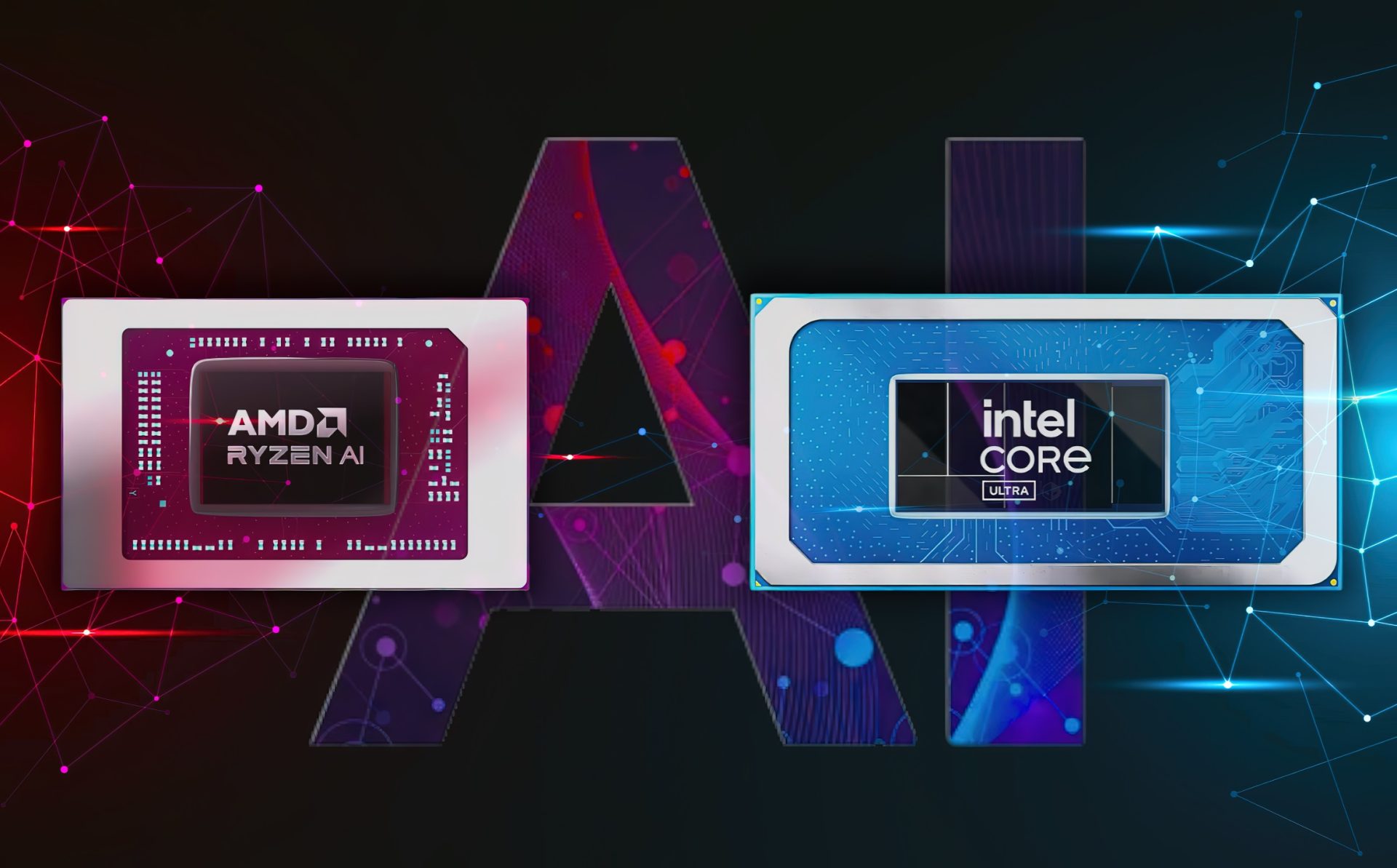
What makes this particularly tantalizing is the lack of specifics. Huang’s description—‘a chip that will surprise the world’—suggests something beyond incremental upgrades. The timing aligns with rumors surrounding Nvidia’s long-awaited N1X Arm-based processor, a consumer-focused chip that could finally challenge Intel and AMD in the PC market. Reports indicate the N1X may launch as early as late March, making GTC the perfect platform for a high-profile unveiling.
The focus on AI infrastructure remains a cornerstone of Nvidia’s strategy, but Huang’s remarks go deeper than just hype. He dismissed concerns about an ‘AI bubble,’ framing the sector as the foundation of a ‘tens of trillions of dollars’ global investment wave. This perspective underscores Nvidia’s role not just as a hardware provider but as a key architect of the AI economy—one that extends beyond chips into energy, data centers, and cloud computing.
- GTC will feature a ‘surprising’ chip reveal, likely tied to the N1X Arm processor or an AI-optimized accelerator.
- Nvidia continues betting heavily on AI, though recent reports suggest delays in its $100 billion OpenAI investment plan.
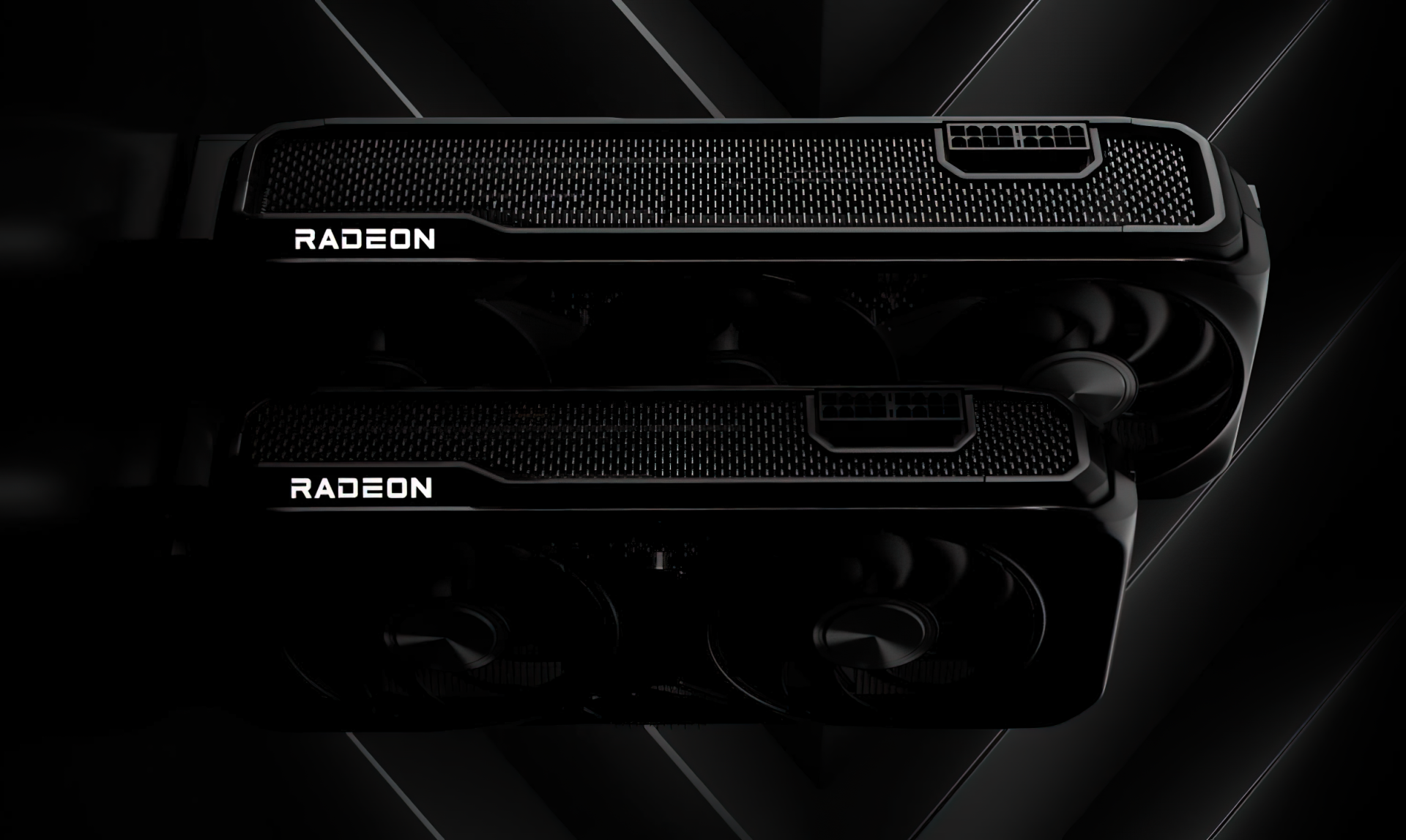
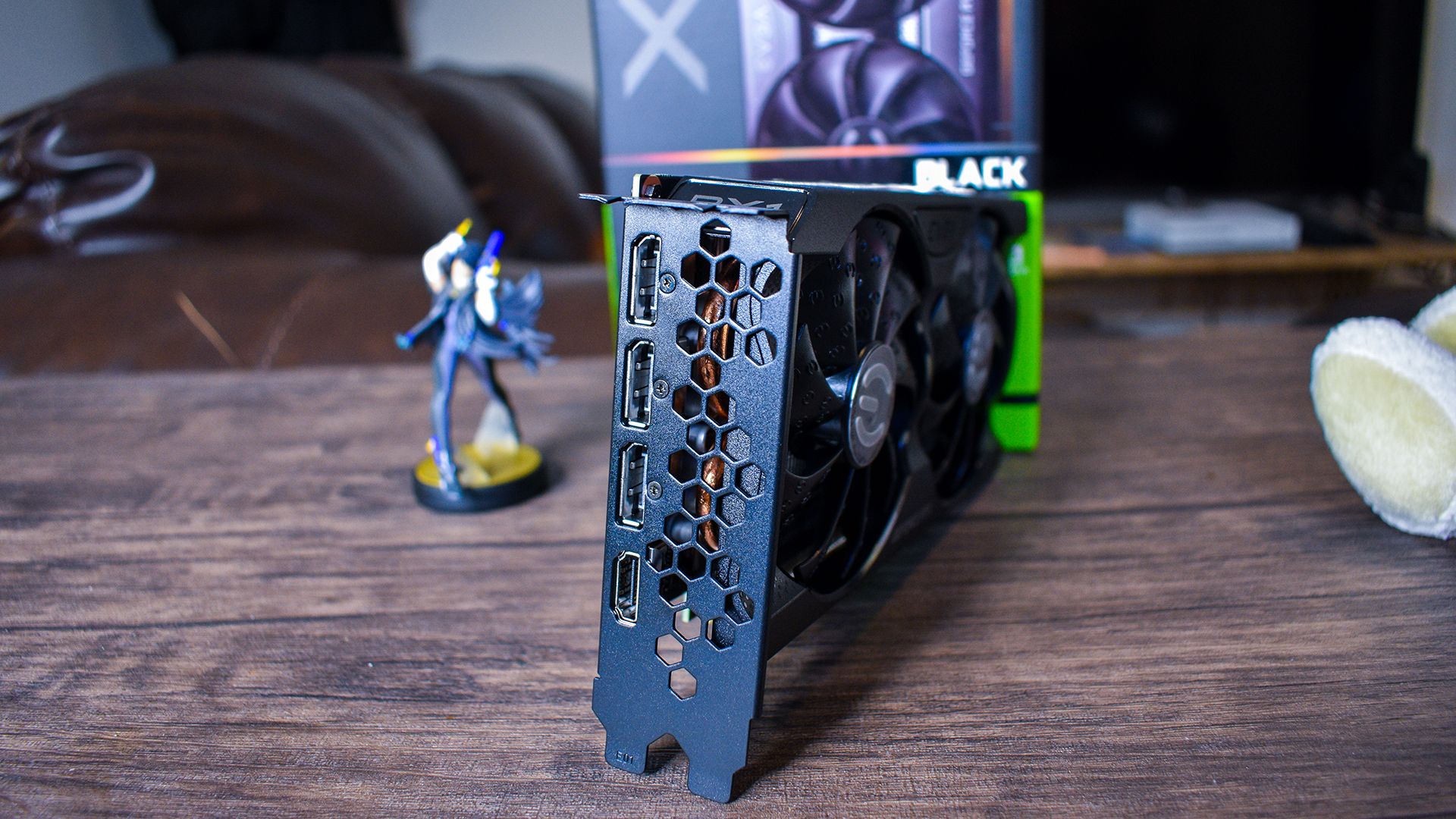
- A next-gen GPU—potentially an RTX 5090-class successor—is in development, with speculation pointing to a September release.
- Collaborations with memory partners like SK hynix and Samsung are critical, with HBM4 memory playing a key role in powering Nvidia’s upcoming Vera Rubin AI chip.
The emphasis on memory highlights a broader trend: AI’s insatiable appetite for bandwidth and performance. Nvidia’s reported order for Samsung’s next-gen HBM4—a memory technology already commanding $700 per module—reinforces the company’s willingness to invest in infrastructure that will define the next era of computing. Meanwhile, the RTX 5090’s successor, though not confirmed for GTC, signals Nvidia’s dual focus on both AI and traditional graphics markets.
Huang’s evasiveness on future AI investments—particularly in OpenAI and Anthropic—suggests a shift in strategy. Rather than pouring resources into a single company, Nvidia appears to be doubling down on the entire AI ecosystem. This includes partnerships with memory manufacturers, cloud providers, and even energy firms to ensure the infrastructure scales with demand.
The question remains: Will GTC’s ‘surprising’ chip be the N1X, a new AI accelerator, or something entirely unexpected? Given Nvidia’s track record of upending industries, the answer could redefine what’s possible in computing—both for consumers and enterprises.