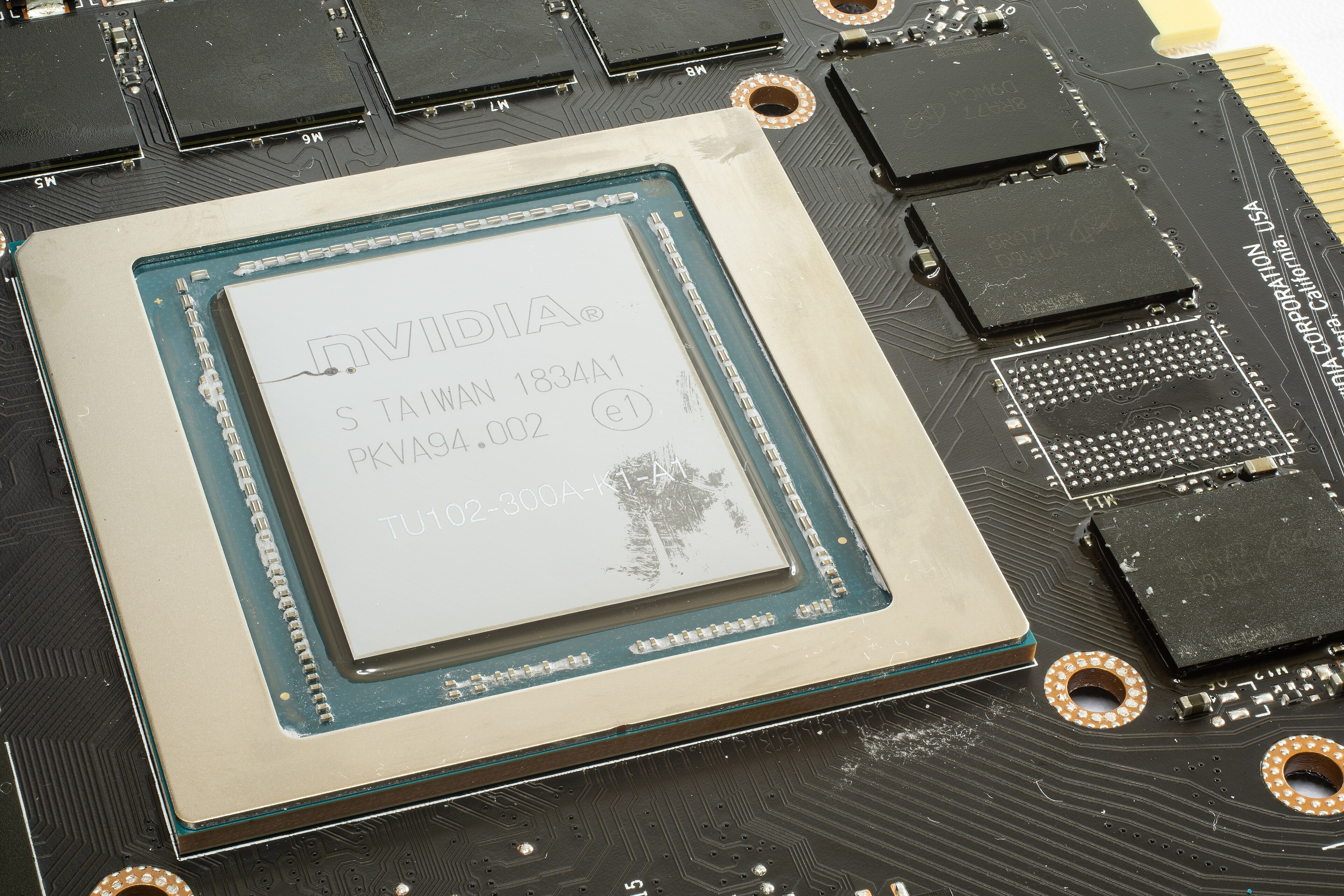
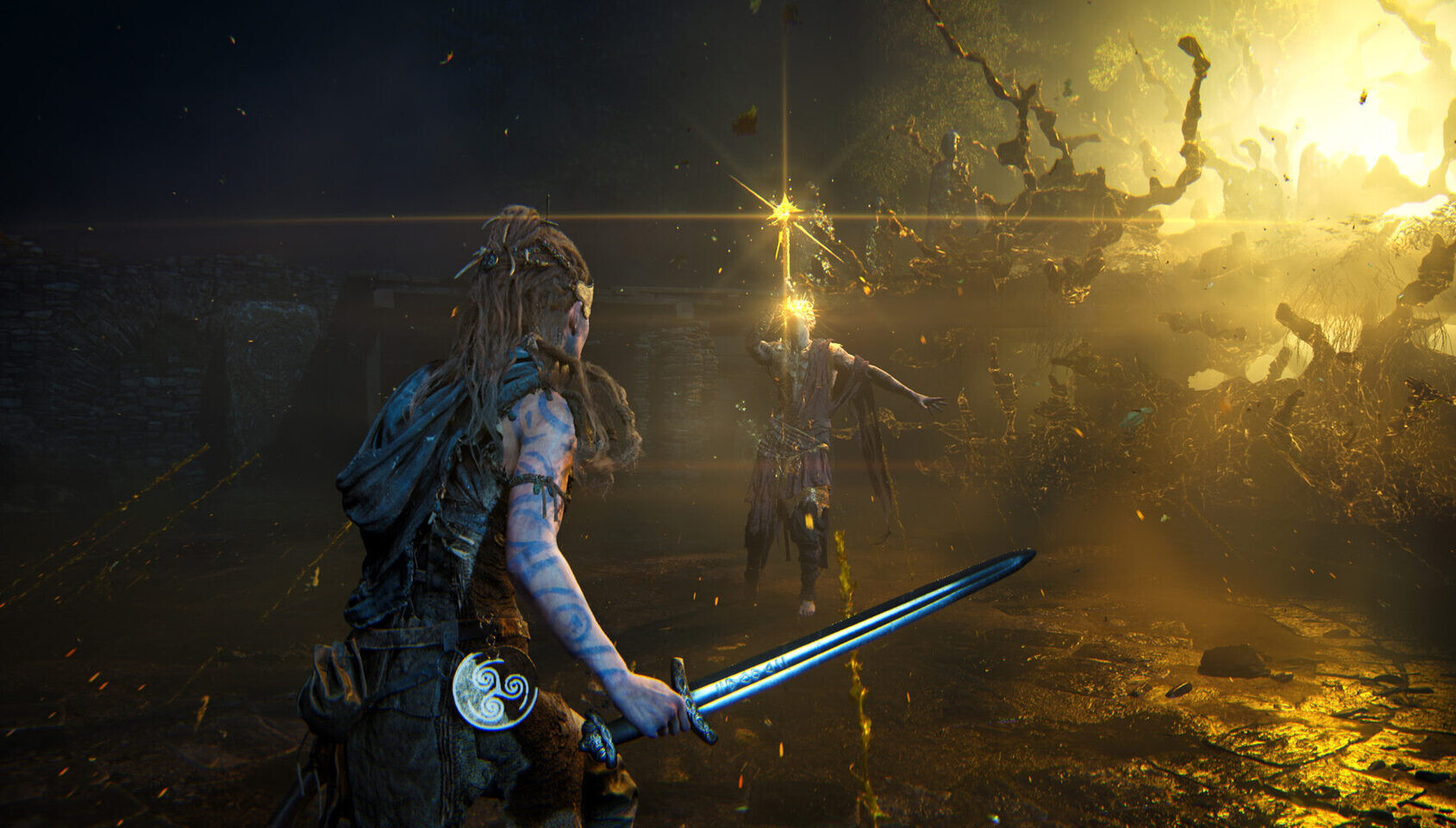
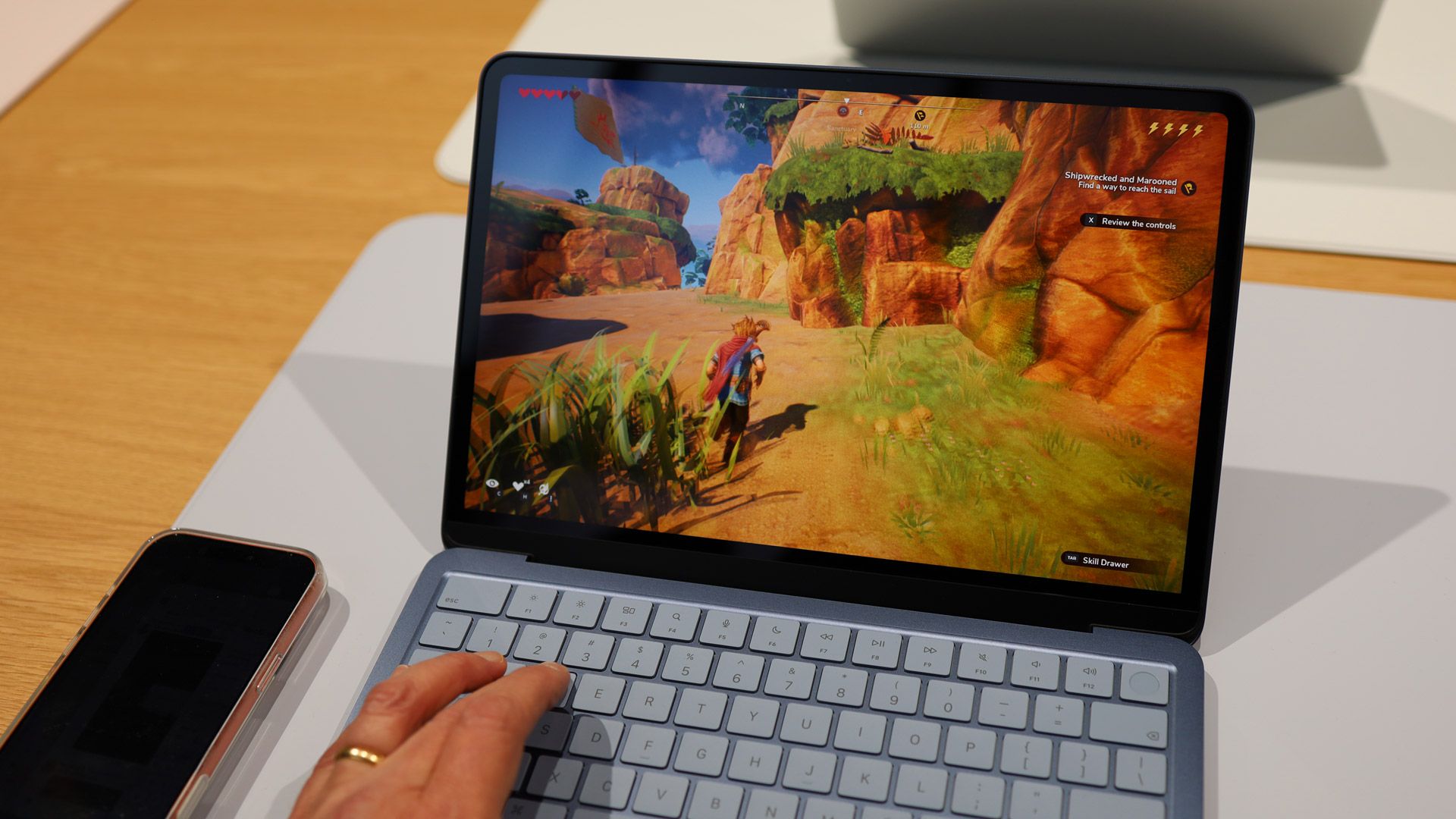
The landscape of game development is undergoing a quiet revolution. As the industry grapples with increasing demands for real-time rendering and AI-driven content creation, there's a growing shift toward centralized data-center solutions that consolidate previously disparate hardware stacks. This transition is being led by NVIDIA's Blackwell architecture, which now powers both consumer GPUs like the RTX 5090 and professional-grade servers designed to handle the most complex development workloads.
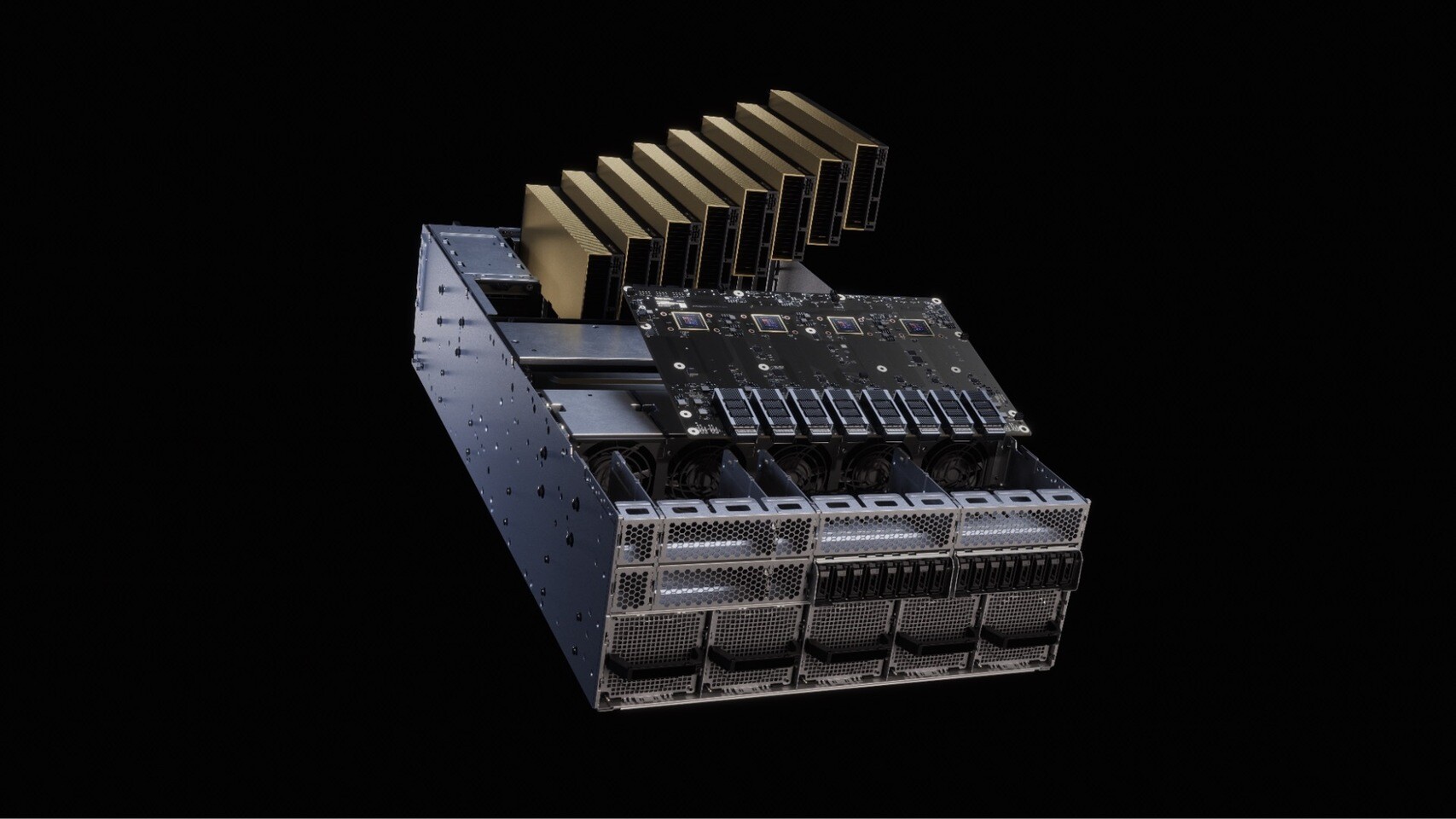
At the core of this shift is the RTX PRO 6000 Blackwell Server Edition GPU, which brings an unprecedented 96 GB of GDDR memory to centralized environments. This level of capacity allows studios to run AI training sessions alongside graphics processing without performance trade-offs—a capability that was previously impossible with traditional workstation setups. The architecture's Multi-Instance GPU (MIG) partitioning further enhances its flexibility, supporting up to 48 simultaneous users while optimizing resource allocation for mixed workloads.
Unifying Development Pipelines
- Consistency Across Hardware: By using the same Blackwell architecture found in consumer GPUs like the RTX 5070 and RTX 5090, NVIDIA has eliminated discrepancies that often arise when development pipelines switch between different hardware environments. This ensures that what works on a developer's workstation will perform identically in a data-center rendering farm.
- Reduced Infrastructure Complexity: The 96 GB memory capacity of the RTX PRO 6000 allows for multi-application scenarios without requiring separate GPU stacks. This reduces hardware sprawl and simplifies infrastructure management, which has been a longstanding pain point in large-scale game development.
- Enterprise-Grade Requirements: While the performance benefits are substantial, MIG and vGPU configurations demand enterprise-grade data-center deployments. Studios without existing virtualization setups may face significant barriers to adoption, potentially delaying widespread industry transition.
The Blackwell architecture isn't just a technological upgrade—it's a strategic reimagining of how game development workflows should function. By integrating AI and graphics processing into a single platform, NVIDIA is attempting to dismantle the silos that have historically separated these capabilities. However, this consolidation comes with its own set of challenges, particularly for smaller studios or those operating outside traditional data-center environments.
The Compatibility Challenge
One of the most critical questions surrounding this transition is how existing development workflows will adapt to centralized GPU resources. Studios that have built their pipelines around legacy systems—such as the RTX 5060 with its 16 GB memory capacity—may encounter compatibility issues when integrating with Blackwell-powered servers. While performance parity between consumer and professional GPUs is strong, interfacing older tools with next-generation hardware could create unexpected hurdles.
For large publishers with established virtualization infrastructure, the benefits are clear: centralized quality assurance, AI-driven content generation, and reduced hardware costs can lead to significant efficiency gains. But for smaller teams or contractors, the transition represents a substantial investment in new IT stacks—a barrier that could slow adoption if not carefully managed.
Industry Trends and Future Outlook
The push toward virtualized game development reflects broader industry trends where AI is becoming deeply integrated into the creative process. Studios are increasingly seeking infrastructure that can bridge graphics and machine learning without creating disjointed workflows. NVIDIA's RTX PRO Server positions itself as a unifying platform, but its long-term success will depend on whether smaller teams can afford to upgrade their IT stacks or if they will be left behind in this new era of centralized GPU power.
The Blackwell-powered server represents more than just an incremental improvement—it marks a step toward fundamentally rethinking how game development pipelines are structured. Whether compatibility risks will slow its rollout remains to be seen, but one thing is certain: the industry's transition from individual workstations to shared data-center resources has already begun. The question now is whether studios will embrace this change or resist it, potentially shaping the future of game development for years to come.