AI’s future may hinge on a five-tiered architecture that NVIDIA describes as a 'cake'—one so complex it requires trillions in investment just to build the foundation.
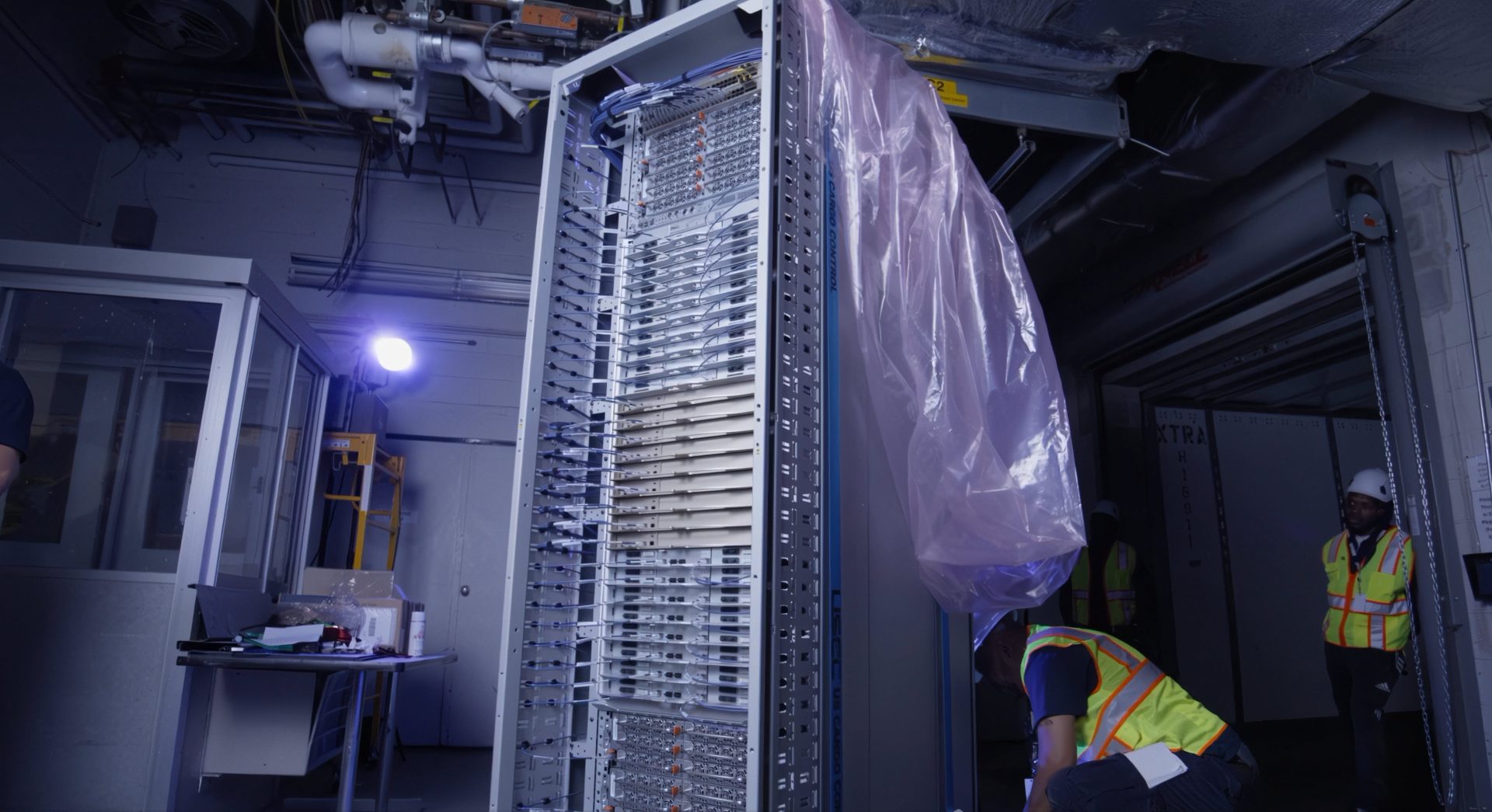
The bottom layer, energy, is already tightening its grip. Without unprecedented power generation and distribution, even the most advanced chips risk stalling before they reach full potential. Above that sits infrastructure: cooling systems, data centers, and networking hardware designed to handle workloads far beyond today’s standards. NVIDIA’s latest Blackwell Ultra chip, for instance, targets high-density reasoning tasks, but its efficiency hinges on accompanying power delivery and thermal management solutions.
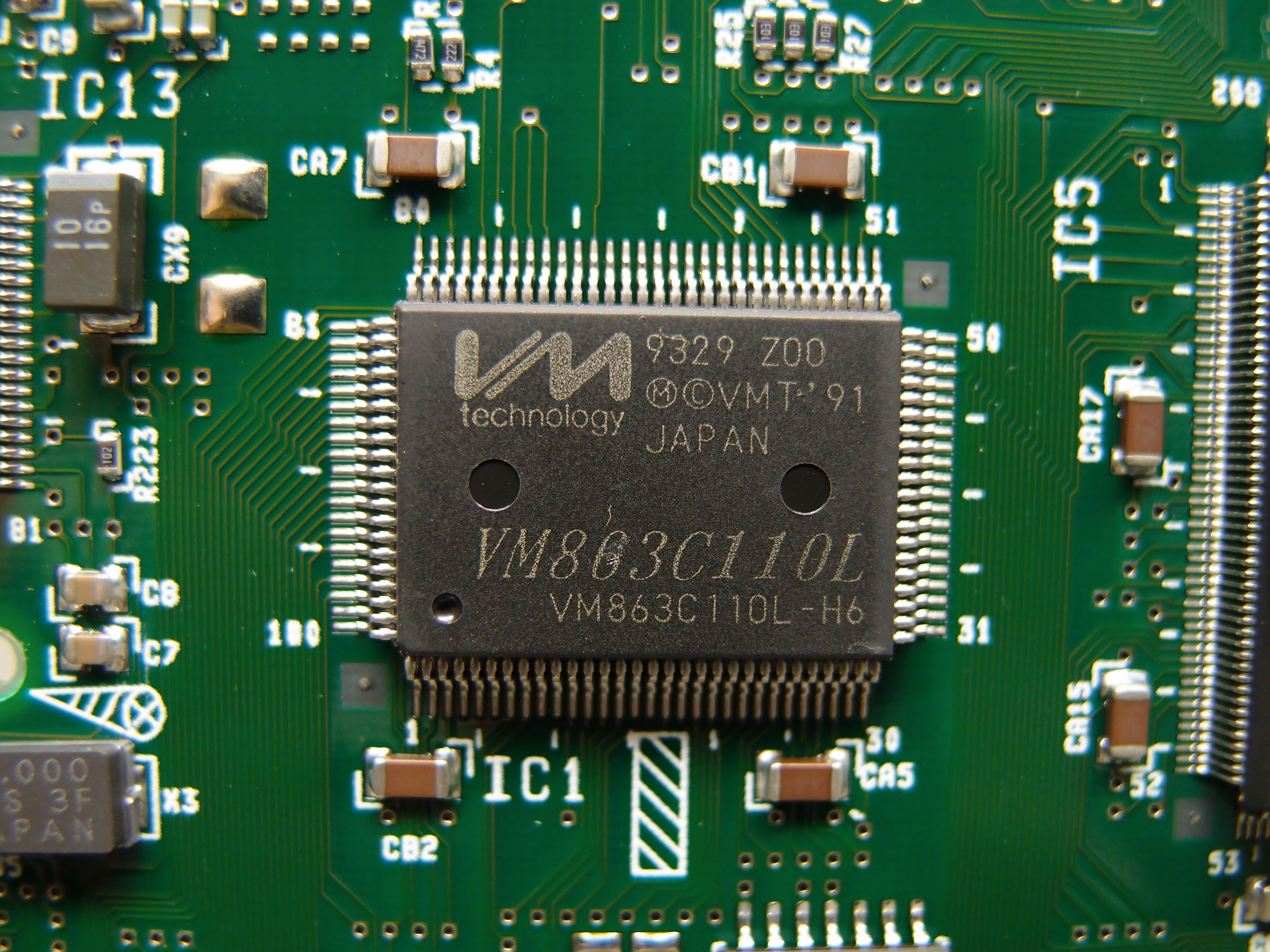
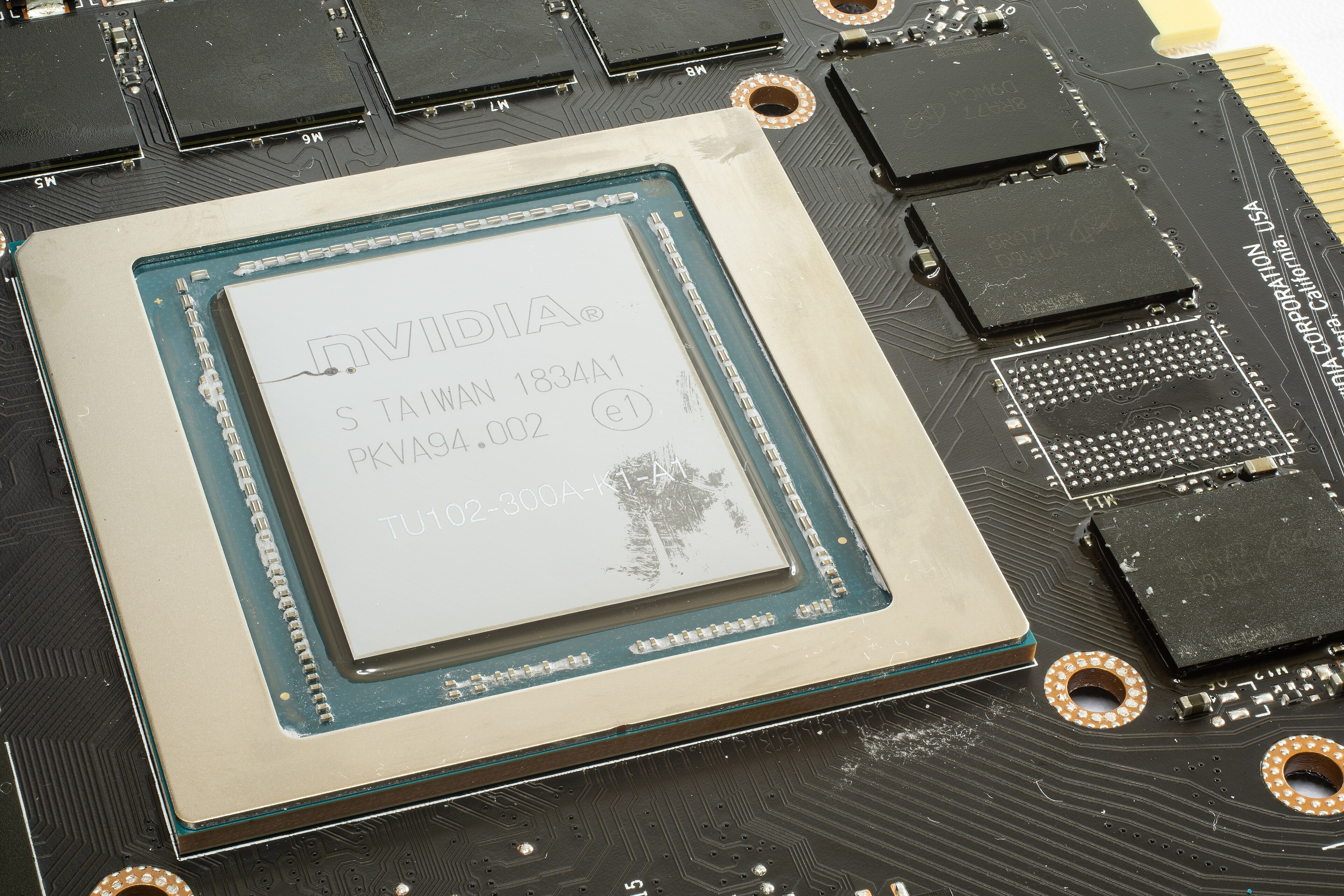
Chips themselves are the next layer, where NVIDIA dominates with specialized hardware for training and inference. But the company’s roadmap doesn’t stop there—upcoming projects like Vera Rubin aim to push long-context applications, hinting at a shift toward agentic AI systems that could redefine user interaction.
Models and applications form the top layers, where NVIDIA sees its highest revenue potential. Yet mass adoption remains elusive. Early AI services were largely confined to chatbots, but recent advancements suggest broader utility—services like OpenClaw and Manus AI demonstrate how AI can integrate into workflows, from coding assistance to creative tools.
Still, the scale of opportunity is staggering. For AI to match the internet’s global impact, trillions in infrastructure investment will be necessary—a claim that raises as many questions as it answers. Is the market ready? Can energy constraints be overcome without sacrificing performance? And how long before these layers solidify into a stable, scalable ecosystem?
- Energy: The binding constraint—without breakthroughs in power efficiency, AI’s growth will stall.
- Infrastructure: Data centers and cooling must evolve to support next-gen workloads.
- Chips: NVIDIA’s Blackwell Ultra and future projects push boundaries but require complementary advancements.
- Models & Applications: The revenue frontier, yet adoption remains uneven.
The road ahead is uncertain. While NVIDIA maps out a vision of AI as a transformative force, the practical challenges—supply chain pressures, memory shortages, and geopolitical tensions—could delay or reshape this narrative. For IT teams, the message is clear: prepare for volatility.