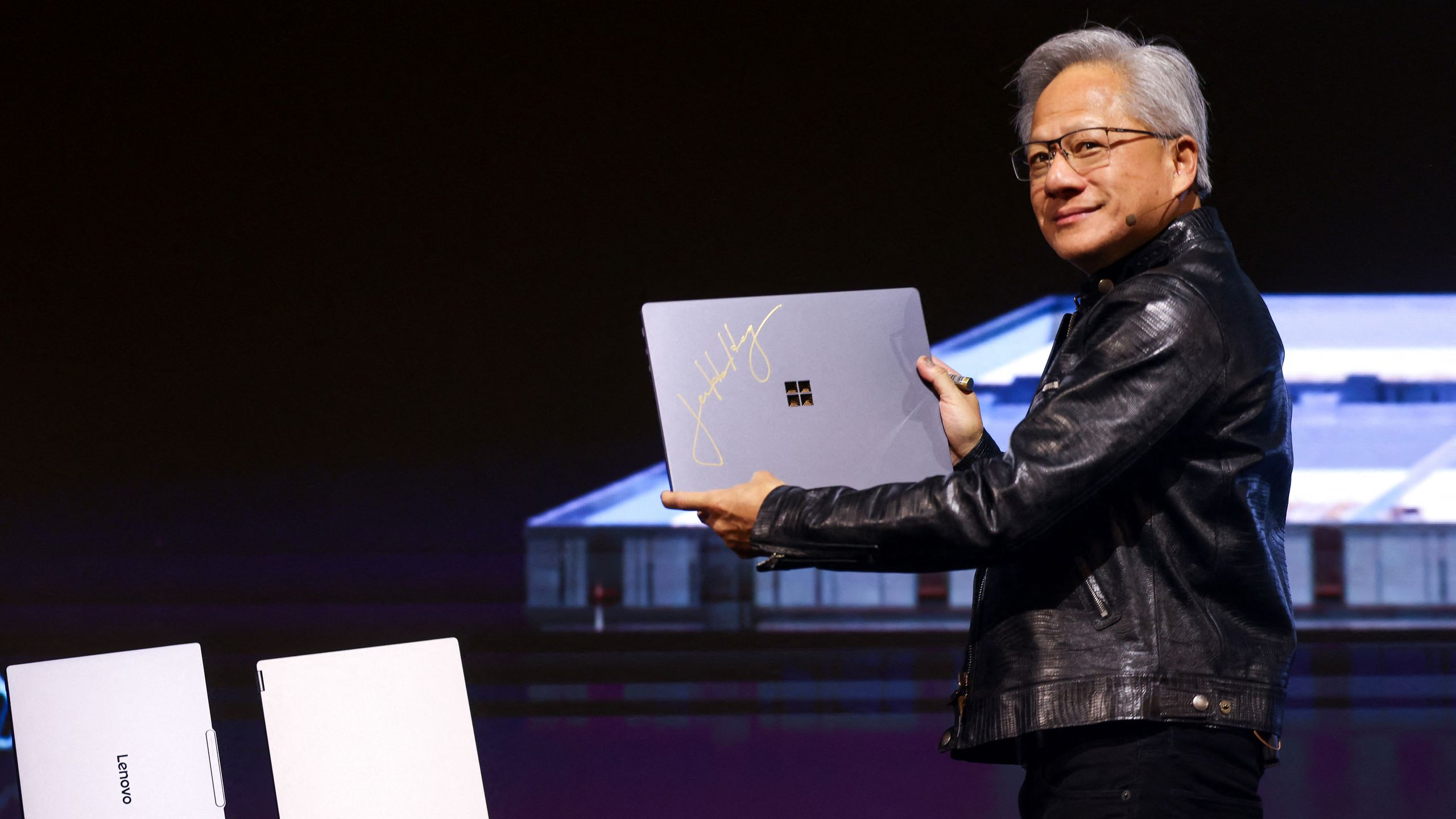
NVIDIA’s AI PC strategy is taking shape, with the company’s CEO, Jensen Huang, providing new clarity on its roadmap for 2026. While the tech world awaited a consumer GPU reveal at CES, Huang’s recent in Taiwan have shifted focus to a different kind of innovation: a low-power, high-compute AI SoC designed to redefine gaming and edge AI workloads.
The N1 and N1X chips, co-developed with MediaTek, are set to debut in the second half of the year. Huang emphasized their efficiency, framing them as ideal for scenarios where power consumption is critical but performance remains non-negotiable—particularly for edge AI applications. Built on TSMC’s advanced 3nm process, these SoCs will support Windows on ARM, aligning with NVIDIA’s broader push into ARM-based computing.
This isn’t NVIDIA’s first foray into ARM architecture. The design language for the N1/N1X chips mirrors that of the GB10 Superchip found in the DGX Spark, though scaled down to meet consumer device requirements. Expect fewer cores and optimized configurations to keep thermal design power (TDP) manageable for laptops and compact devices. Rumors suggest the chips may even integrate an RTX chiplet for integrated graphics, a move that could set a precedent for future ARM-based gaming platforms.

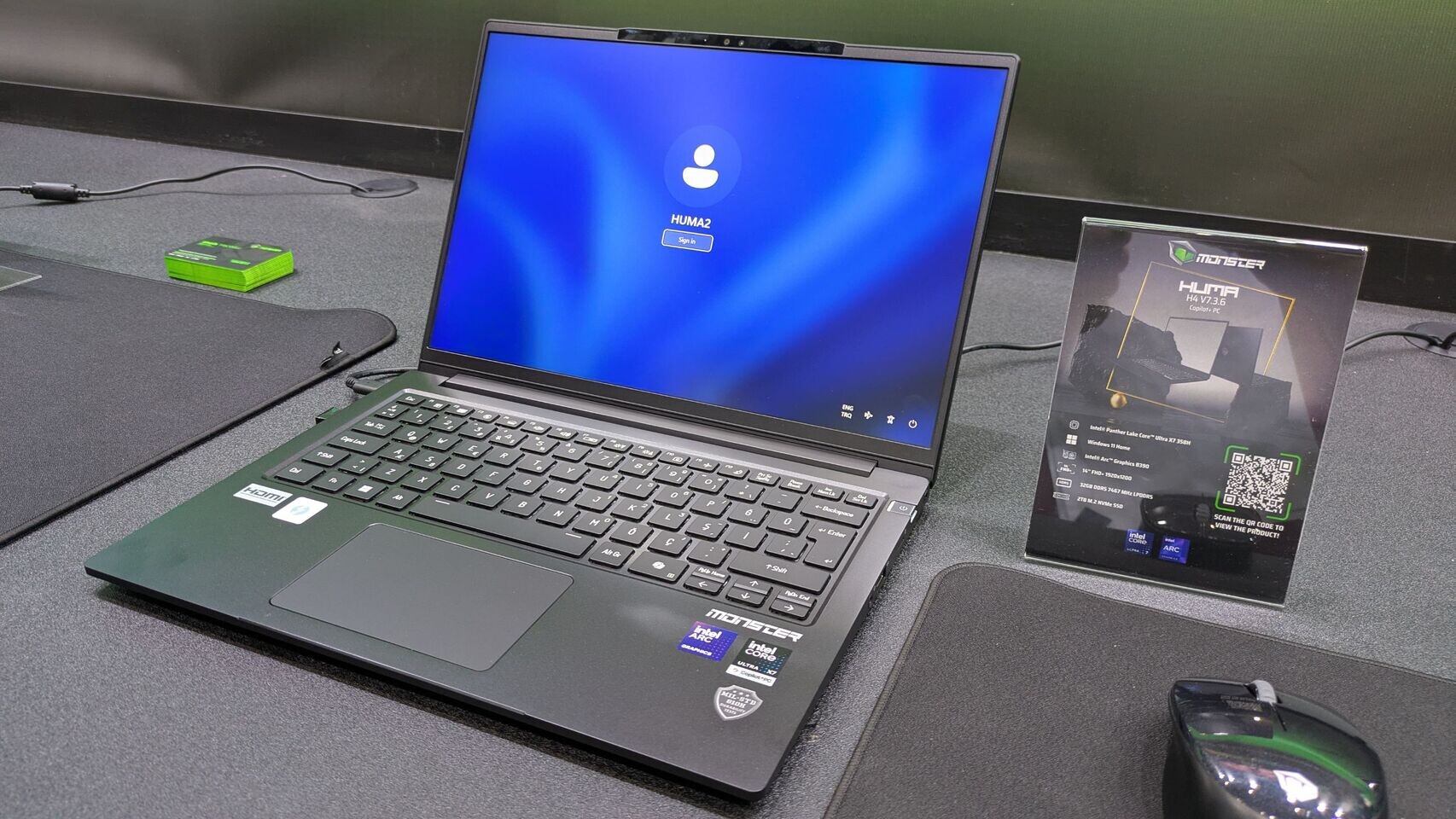
The timing of this announcement is noteworthy. Earlier delays stemmed from internal dissatisfaction with initial SoC versions, but Huang’s confirmation signals a renewed commitment to delivering a product capable of competing with Intel’s Panther Lake chips in the laptop segment. With edge AI applications gaining traction, NVIDIA’s unified ecosystem—spanning enterprise and consumer markets—stands to benefit from this focused rollout.
The AI PC chip’s debut is part of a broader trend. MediaTek’s involvement hints at potential applications beyond traditional PCs, including gaming laptops and even AI-powered smartphones, with Computex 2025 as a likely showcase for early prototypes. For gamers, this could mean a shift toward more efficient, AI-optimized hardware—though widespread adoption may hinge on software support and developer enthusiasm for Windows on ARM.
- The N1/N1X chips will launch in H2 2026, co-developed with MediaTek.
- They’re built on TSMC’s 3nm process and support Windows on ARM.
- Design is based on the GB10 Superchip but optimized for lower power consumption.
- Potential integration of an RTX chiplet for integrated graphics.
- Targeted at edge AI workloads and gaming laptops, with possible smartphone extensions.
NVIDIA’s move underscores a pivot from traditional GPU-centric releases to a more holistic AI-first approach. Whether this translates into a gaming revolution or a niche edge-computing solution remains to be seen—but the pieces are finally falling into place.