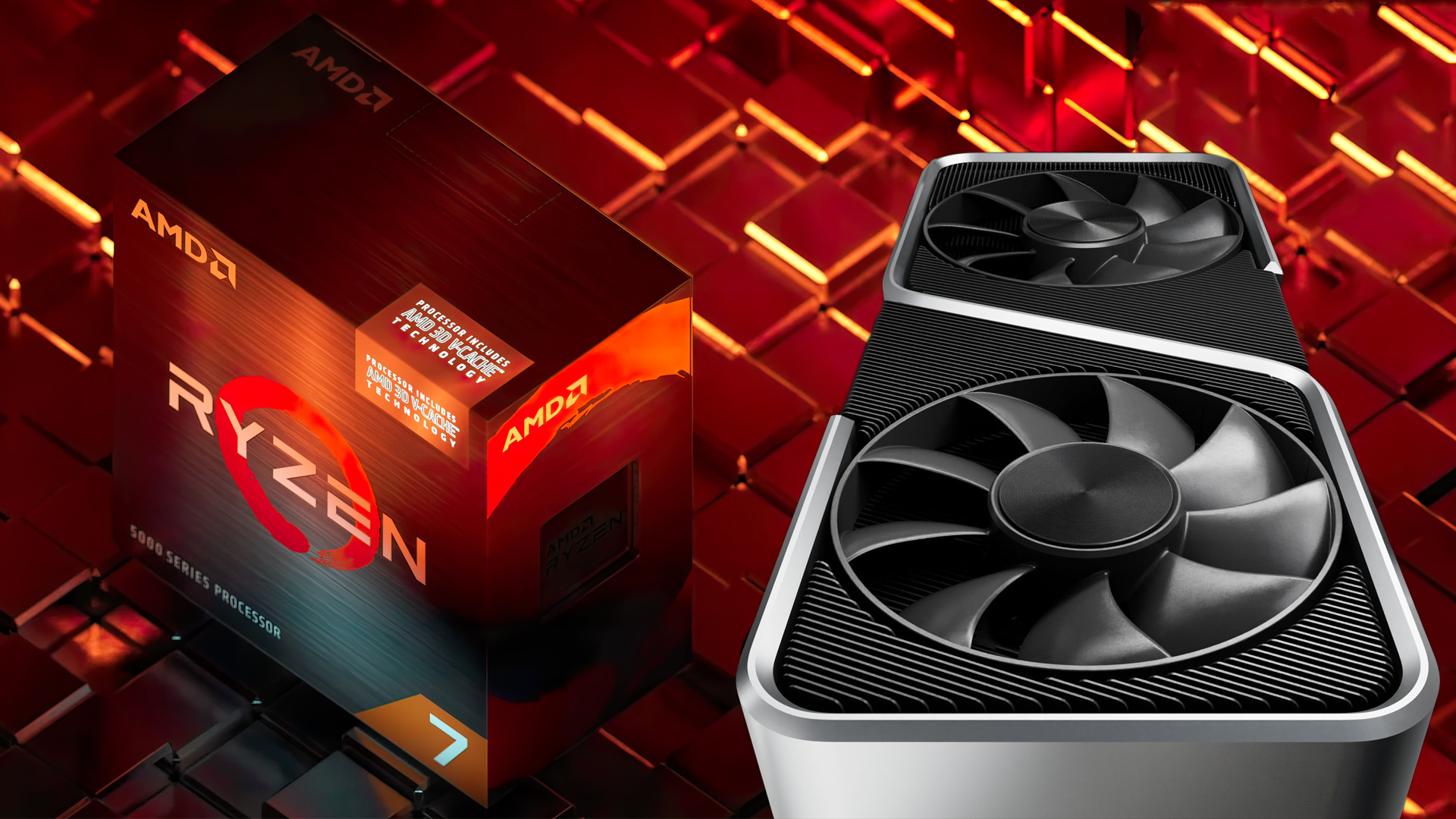
In a significant development for the semiconductor industry, NVIDIA has reportedly overtaken Apple as TSMC’s premier customer, marking a notable shift in the foundry’s supply chain priorities. This transition, which has been building over recent months, reflects broader changes in demand and strategic focus within the chip manufacturing ecosystem.
The revelation comes at a time when TSMC is navigating complex production challenges, particularly around its most advanced nodes. While Apple had historically secured priority access to cutting-edge processes like 2 nm, industry sources suggest that NVIDIA’s growing influence—driven in part by its dominance in AI-driven workloads—has altered the balance.
TSMC’s 2 nm production lines, slated for high-volume manufacturing starting this year, are expected to play a pivotal role in both consumer and enterprise markets. Early indications point to Apple securing around half of this capacity for its forthcoming A20 and A20 Pro chipsets, which will likely power next-generation iPhones. However, the foundry’s reported deprioritization of Apple could introduce new constraints, potentially delaying or reshaping product roadmaps.
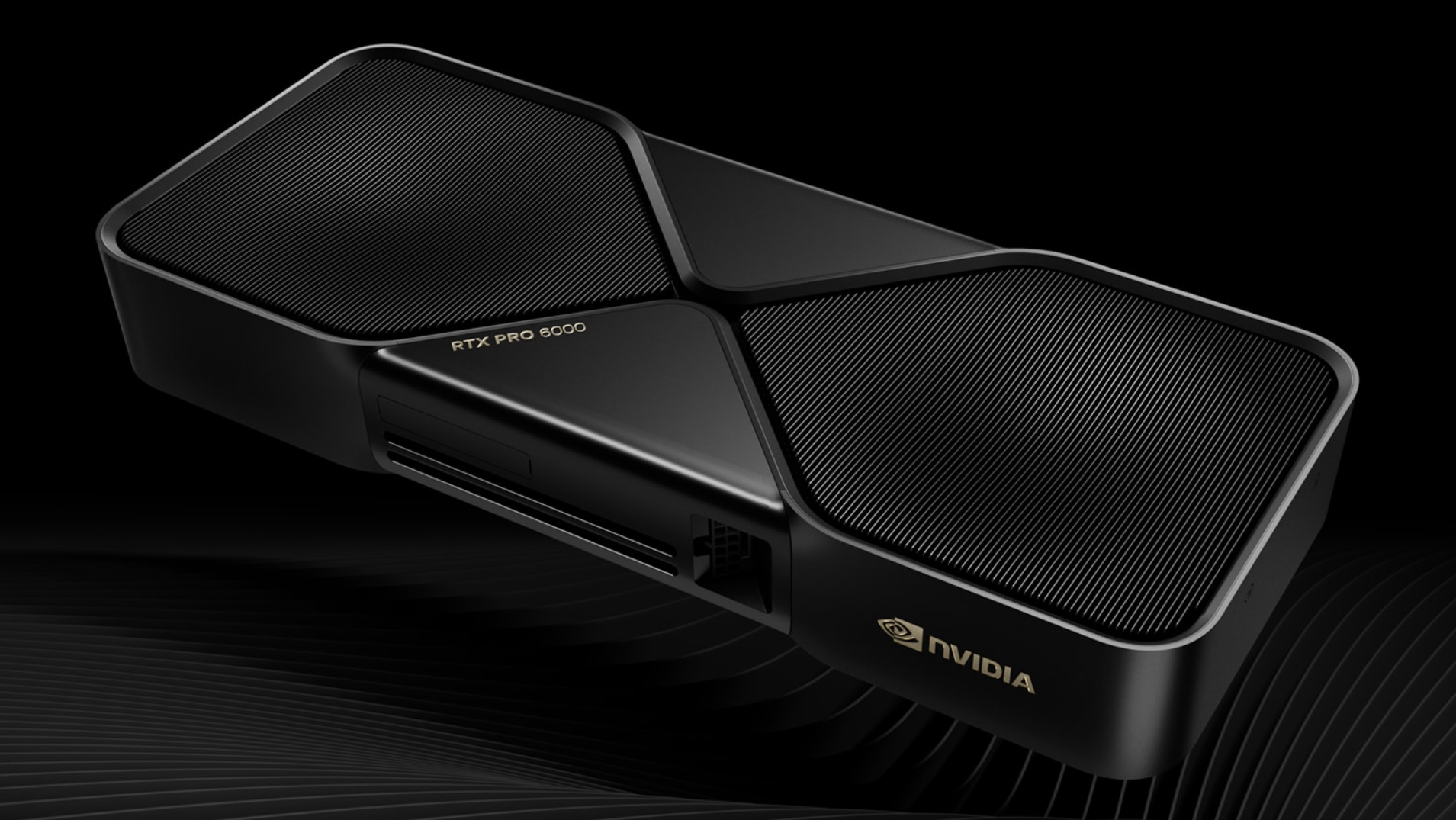
Simultaneously, NVIDIA has been expanding its footprint in advanced manufacturing, with a focus on AI-optimized designs that leverage TSMC’s most sophisticated processes. The company’s recent announcements, including the GeForce RTX 50 series, underscore this shift. The RTX 5080 SUPER and RTX 5090, built on 3 nm and 2 nm nodes respectively, are designed to meet the surging demand for high-performance GPUs in data centers and workstations.
Key specs for the upcoming RTX 50 series include

- Display
- RTX 5090: Up to 8K120 HDR, 4K360 HDR support with DLSS 4.
- RTX 5080 SUPER: Up to 8K60 HDR, 4K180 HDR support with DLSS 4.
- Chip
- RTX 5090: Ada Lovelace architecture, 2 nm process (TSMC), up to 18,768 CUDA cores.
- RTX 5080 SUPER: Ada Lovelace architecture, 3 nm process (TSMC), up to 14,592 CUDA cores.
- Memory
- RTX 5090: 24 GB GDDR7, 384-bit bus.
- RTX 5080 SUPER: 16 GB GDDR7, 256-bit bus.
- Storage
- Both models feature PCIe 5.0 support for NVMe SSDs.
- Power
- RTX 5090: Up to 600W TDP (12VHPWR).
- RTX 5080 SUPER: Up to 350W TDP.
- Cameras
- NVIDIA Broadcast with AI-powered noise removal and background blur.
- Connectivity
- HDMI 2.1, DisplayPort 2.1, USB 4.0 support.
- Ports
- 3x DisplayPort, 1x HDMI, 1x USB-C (DisplayPort Alt Mode).
The RTX 50 series is positioned to address the growing need for AI acceleration in both consumer and professional markets. The RTX 5090, with its 2 nm process, is expected to deliver significant performance gains over its predecessor, the RTX 4090, while maintaining efficiency. However, its price point—estimated at $5,000—reflects the premium associated with cutting-edge manufacturing and AI-focused optimizations.
For consumers, this shift could mean more competitive pricing in the high-end GPU market, though availability may remain constrained due to TSMC’s production bottlenecks. Enterprises, on the other hand, are likely to see accelerated adoption of NVIDIA’s AI platforms, which rely heavily on these advanced manufacturing nodes.
The broader implications for Apple are less clear but could include potential delays in its own advanced node access, particularly if TSMC continues to prioritize NVIDIA’s demands. Apple’s internal projects, including the rumored 'Baltra' GPU, may need to adapt to this new dynamic, potentially affecting its roadmap for future hardware.
As TSMC ramps up production in Arizona and other locations, the balance of power between its key customers will remain a critical factor in shaping the semiconductor industry’s trajectory. NVIDIA’s rise as the foundry’s top customer signals a pivotal moment, one that could redefine priorities for years to come.