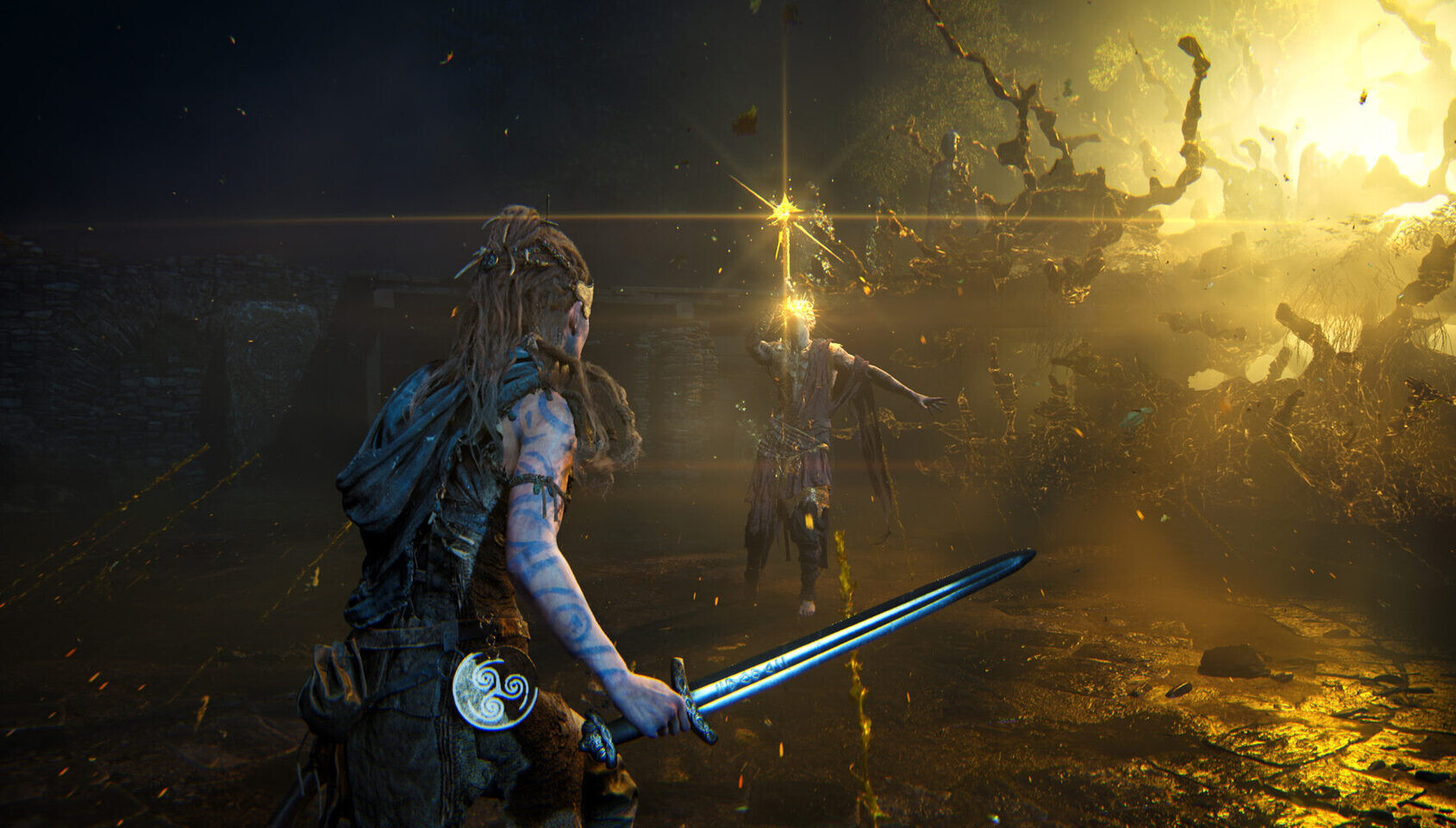
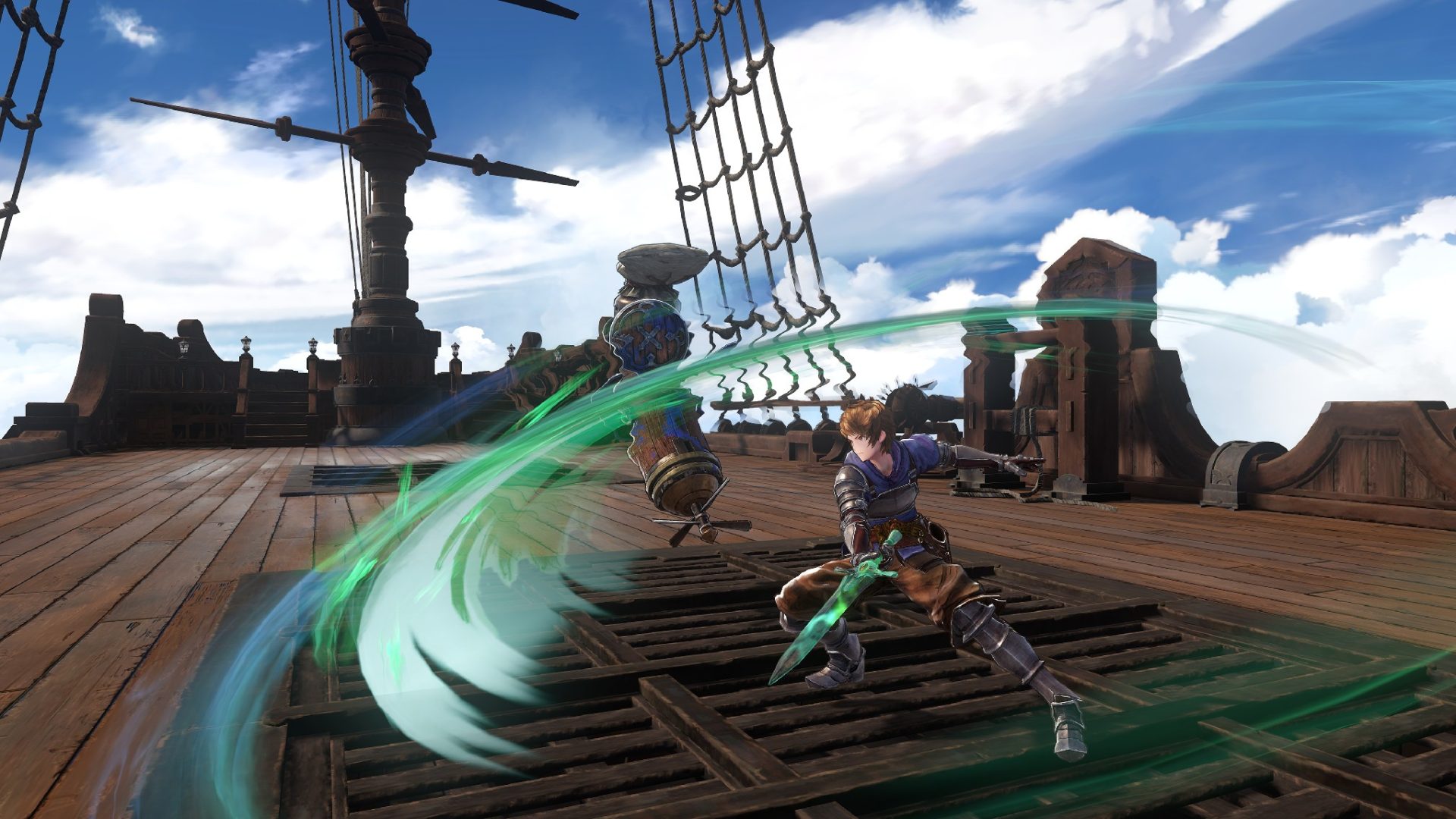
Small game studios and concept artists now have a way to produce cinematic-quality video sequences using artificial intelligence—without relying on expensive cloud services or powerful server farms. NVIDIA’s latest software suite, designed specifically for RTX AI PCs, integrates with existing design tools to accelerate the generation of character animations, environmental assets, and storyboards directly on local workstations.
This shift matters because it lowers the barrier to entry for teams that lack access to high-end render farms or cloud-based AI pipelines. Previously, generating even a short animated sequence required significant compute power, often pushing costs beyond the reach of indie developers. With these updates, NVIDIA claims that creators can achieve comparable results on mid-range RTX GPUs, including models like the RTX 4080 and RTX 4090, while maintaining real-time interactivity during the creative process.
How It Works: From Concept to Screen
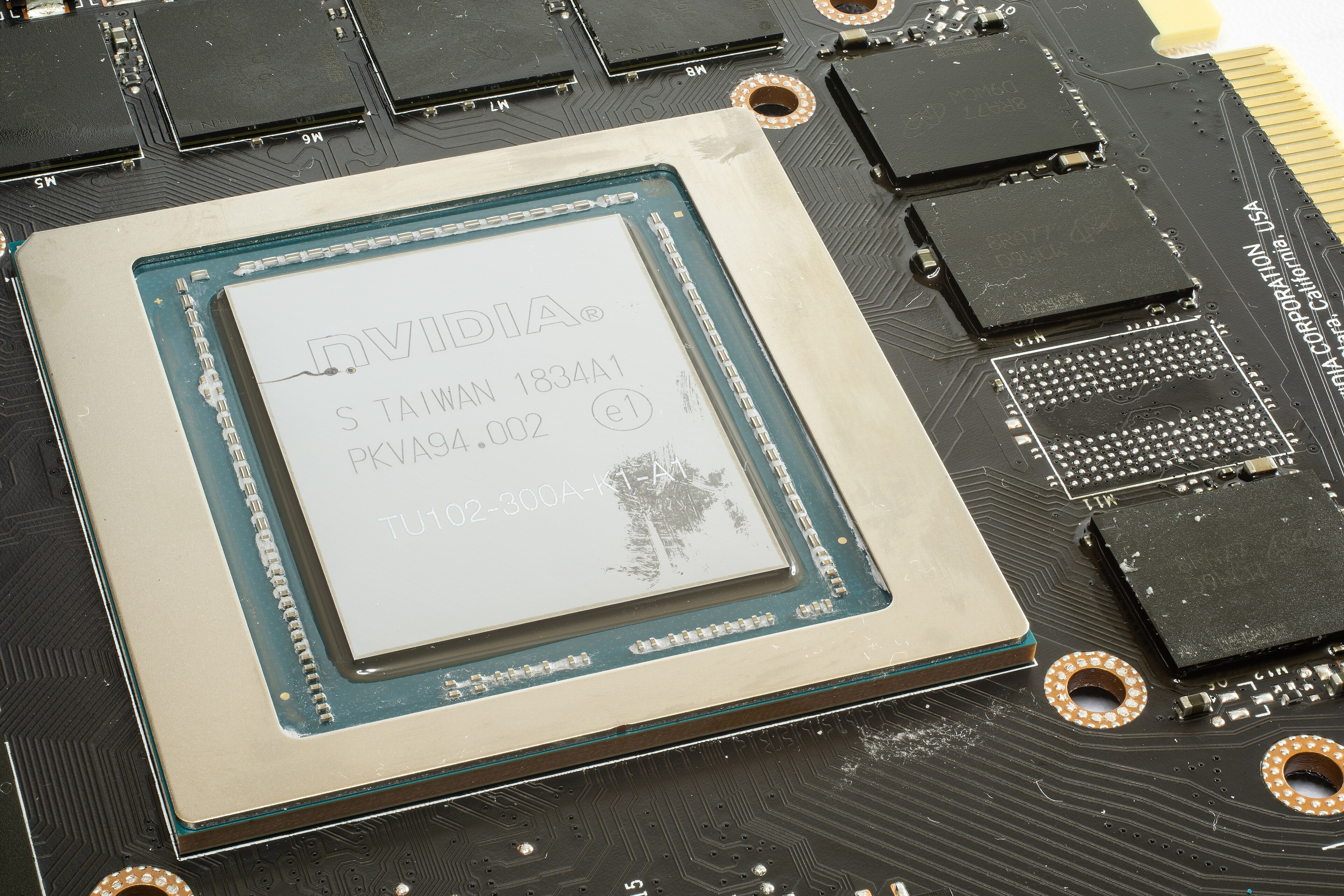
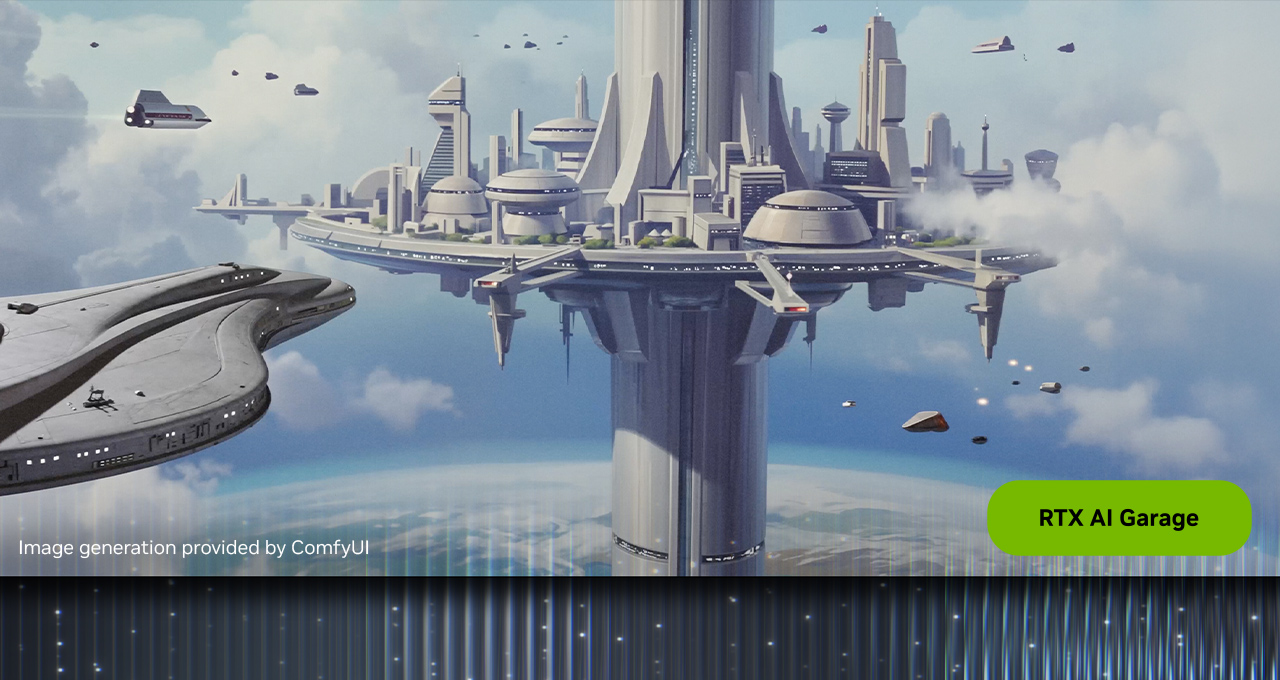
The new toolset introduces two key components: Flux LTX, a lightweight video generation engine optimized for RTX GPUs, and ComfyUI, an open-source interface that simplifies the workflow for non-technical users. Flux LTX is built on NVIDIA’s RTX AI platform, which means it leverages Tensor Cores for accelerated inference—critical for processing complex textures, lighting, and motion without significant latency.
- Flux LTX: A GPU-accelerated video generation model that produces 1080p sequences in real time on compatible RTX GPUs. It supports frame rates up to 30 fps with consistent quality, making it suitable for both concept reels and preliminary animations.
- ComfyUI Integration: A streamlined interface that connects to industry-standard software like Blender, Maya, and Adobe Suite, allowing artists to generate AI-driven assets without switching between applications. This reduces the need for manual post-processing and iteration.
- RTX AI Platform Support: Full compatibility with NVIDIA’s RTX AI libraries, ensuring that future updates to the underlying models will automatically improve performance on supported hardware.
The combination of these tools effectively turns a standard RTX AI PC into a portable AI video studio. For example, a small team working on a narrative-driven game can generate multiple character takes or environmental variations in minutes rather than hours—a significant productivity boost for pre-production phases. However, the reality check is that high-end memory and GPU capacity remain critical; lower-tier RTX cards may struggle with longer sequences or higher resolutions without noticeable slowdowns.
Who Benefits and Why It Matters Now
The primary audience for this update is small to mid-sized game studios, concept artists, and 3D animators who operate on tight budgets but need cinematic-quality assets to compete in crowded markets. The ability to iterate quickly—whether refining a character’s movement or testing different environmental styles—can shave weeks off development timelines. For businesses, this means reduced reliance on outsourced rendering services, which often charge per frame or per minute of animation.
NVIDIA’s focus on local AI processing also addresses growing concerns about data privacy and latency in cloud-based pipelines. By keeping generation workloads on-premise, studios avoid potential delays caused by network congestion or proprietary model restrictions. That said, the software is not a replacement for high-end rendering; it excels in early-stage asset creation but may require traditional render farms for final polish.
The most important change here is that AI video generation is no longer an exclusive tool for large studios with deep pockets. With Flux LTX and ComfyUI, small teams can now match the output quality of larger competitors while maintaining creative control—all on hardware they already own or can afford to upgrade. This democratization could reshape how concept videos and storyboards are produced in the coming year.