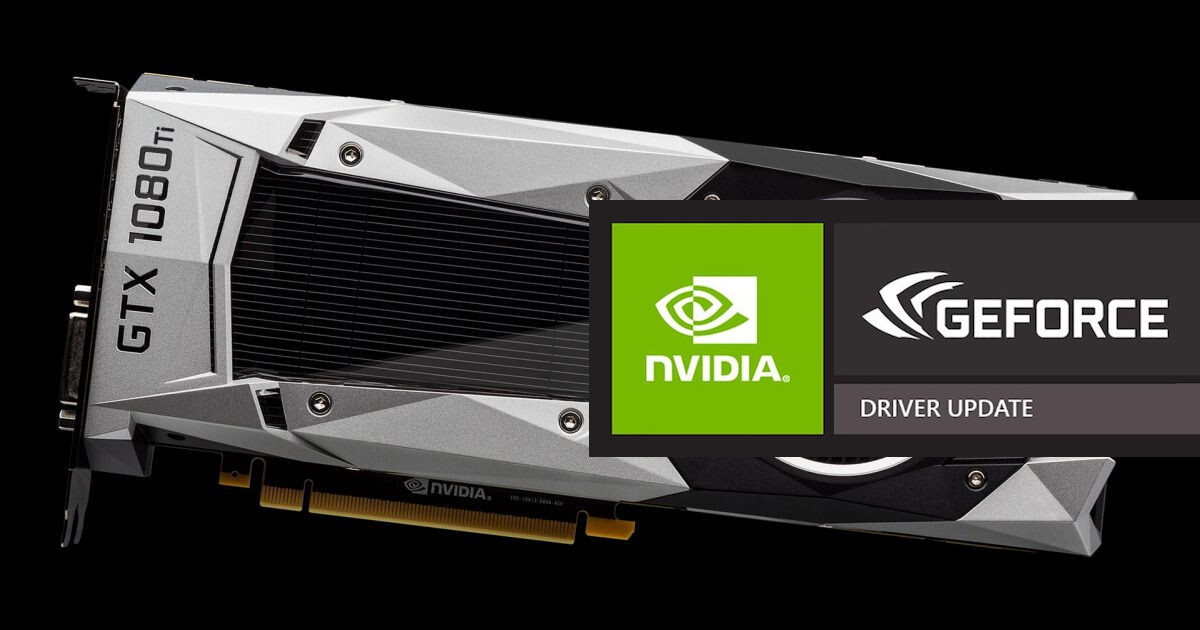
NVIDIA has quietly rolled out a security-focused driver update—version 582.28 WHQL—that exclusively targets its oldest supported GPUs: Maxwell, Pascal, and Volta architectures. Unlike standard Game Ready drivers, this release contains no new features, performance tweaks, or gaming optimizations. Instead, it patches a series of high-severity vulnerabilities across Windows and Linux display drivers, as well as NVIDIA’s vGPU software stack.
The flaws could, under specific conditions, enable attackers to execute arbitrary code, escalate privileges, tamper with data, or trigger denial-of-service attacks. A separate medium-severity issue in the HD Audio driver could also lead to system crashes. No gaming-related fixes are included, though two minor visual bugs—text distortion in Counter-Strike 2 at non-native resolutions and flickering in Like a Dragon: Infinite Wealth—are noted as known issues.
This update is critical for organizations still running Pascal-based workstations (e.g., GTX 10-series cards) or Volta-era hardware (such as the Titan V), as these GPUs have been excluded from NVIDIA’s regular driver pipeline. The patch aligns with broader industry trends, where even high-end legacy hardware like the RTX 5090—rumored to reach $5,000 by CES 2026 due to AI-driven demand—remains at risk if older systems are left unpatched.
Key Specs: Supported Hardware
- Series: GeForce 10 Series (Pascal), GeForce 900 Series (Maxwell), GeForce 700 Series (Maxwell), Titan V (Volta), Titan Xp/X (Pascal)
- Models: GTX 1080 Ti, 1080, 1070 Ti, 1070, 1060, 1050 Ti, 1050, GT 1030, GT 1010, GTX 980 Ti, 980, 970, 960, 950, GTX 750 Ti, 750, 745, Titan V, Titan Xp, Titan X (Pascal)
- Platforms: Windows, Linux, vGPU environments
- Severity: High (code execution, privilege escalation, data tampering), Medium (HD Audio DoS)
The update carries no compatibility risks for supported hardware, but admins should verify driver rollouts in mixed environments where newer GPUs (e.g., AMD’s RX 9070, which delivers +42% 4K performance over the RX 7900 GRE) coexist with legacy systems. NVIDIA’s security bulletin, published alongside the driver, provides technical details for IT teams prioritizing patch management.
Deployment Considerations
For enterprise admins, the update requires minimal intervention: download the WHQL-certified driver from NVIDIA’s official channels and deploy via standard update mechanisms. However, organizations using vGPU in virtualized workloads should test the driver in non-production environments first, as vGPU-specific fixes may interact with hypervisor configurations. Unlike recent RTX 50-series SUPER GPUs—expected to debut at CES 2026—this patch does not introduce hardware support for newer architectures.
Legacy GPU users should also note that while NVIDIA has extended support for these chips, they remain vulnerable to emerging threats. For example, AMD’s RX 5000 series, now in maintenance mode, still receives first-day game support, unlike NVIDIA’s excluded Pascal/Volta lineup. The absence of gaming or performance improvements in this driver underscores its sole purpose: closing critical security gaps before these GPUs reach end-of-life.
Next Steps
Admins managing Pascal or older Volta hardware should treat this as a high-priority update. The driver is available immediately via NVIDIA’s standard distribution channels. For organizations with mixed GPU fleets, this patch can be bundled with upcoming RTX 50-series SUPER drivers—though those will target entirely different architectures. Those running high-end legacy setups (e.g., Titan V or GTX 1080 Ti in rendering farms) may also want to cross-reference this update with NVIDIA’s vGPU documentation to ensure virtualized workloads remain secure.