Quantum computing is still in its early days, but NVIDIA is making strides toward practical applications with its latest open-source AI models. The Ising family of tools promises to accelerate progress in two critical areas: quantum processor calibration and error correction—both essential for building scalable quantum systems.
The name 'Ising' comes from a mathematical model that revolutionized the study of complex physical systems. NVIDIA’s implementation brings that principle to life, offering developers faster performance and higher accuracy in decoding processes. The models are already seeing adoption across leading enterprises and research institutions, signaling a shift toward AI-driven quantum advancements.
Key Details
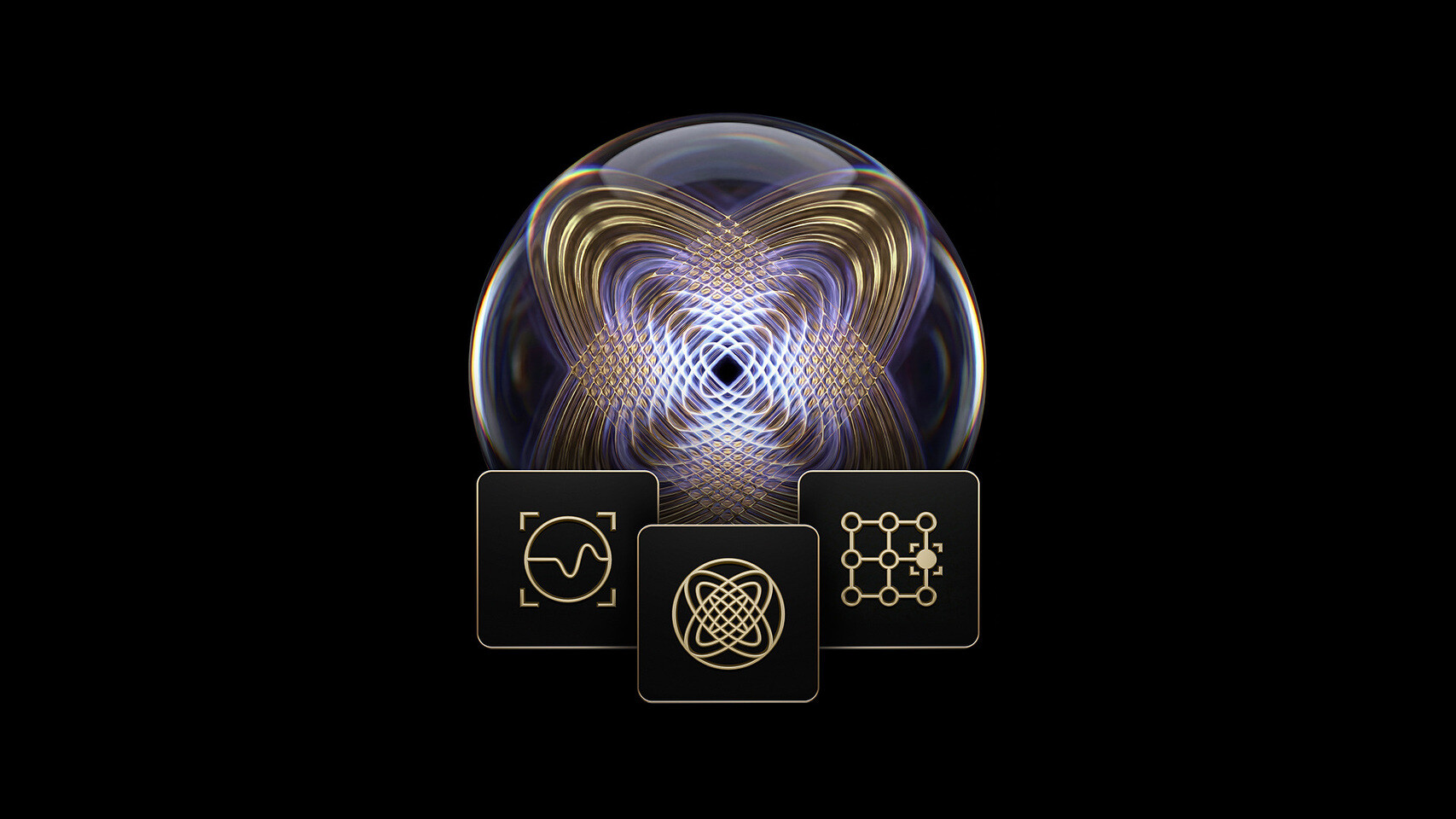
- Ising Calibration: A vision language model that automates continuous calibration, reducing processing time from days to hours.
- Ising Decoding: Two variants of a 3D convolutional neural network optimized for speed or accuracy, delivering up to 2.5x faster performance and 3x higher accuracy compared to the current industry standard.
The models are designed to run locally, ensuring data privacy while enabling fine-tuning for specific hardware architectures. This flexibility is crucial for researchers working with proprietary datasets.
Why It Matters
Quantum computing’s potential is vast, but its practical adoption hinges on overcoming engineering hurdles like error correction and scalability. NVIDIA’s Ising models address these directly, offering a performance boost that could accelerate the development of quantum applications. With the global quantum market projected to exceed $11 billion by 2030, this move positions NVIDIA as a key player in shaping the future of hybrid quantum-classical systems.
What’s Next
The Ising models are part of NVIDIA’s broader open-model portfolio, which includes tools for robotics, autonomous vehicles, and biomedical research. Developers can access these models on GitHub and Hugging Face, with ongoing integration into NVIDIA’s CUDA-Q platform and NVQLink hardware interconnect. As adoption grows, the focus will shift to refining these tools for even broader industry use.
For now, the emphasis remains on solving the foundational challenges that stand between today’s quantum processors and tomorrow’s supercomputers. If NVIDIA can sustain this momentum, it could redefine what’s possible in both AI and quantum computing.