Level 4 autonomy is no longer confined to research labs or prototype fleets—it's arriving in production vehicles, thanks to NVIDIA's DRIVE Hyperion platform. The platform, which has been in development for years, is now being deployed by automakers including BYD, Geely, Isuzu, and Nissan, marking a significant leap from concept to commercial reality.
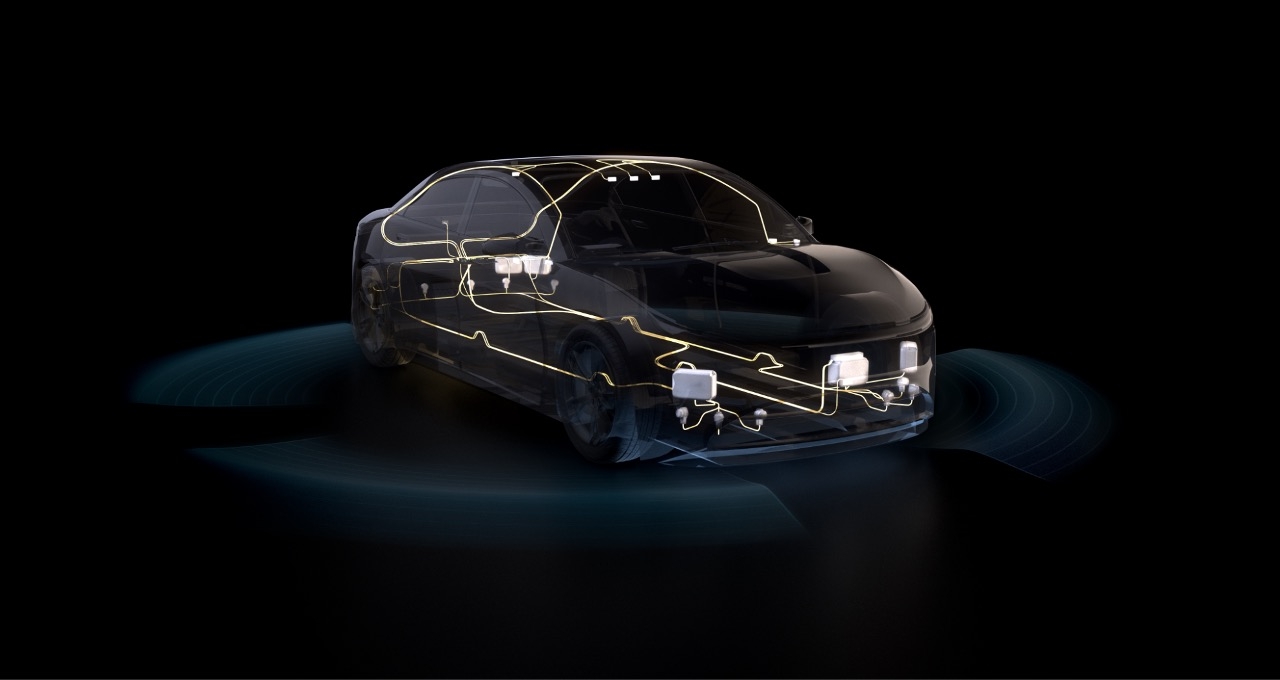
What makes this transition notable isn't just the technology itself, but its immediate impact on the industry. DRIVE Hyperion was designed to handle complex driving scenarios with minimal human intervention, but its move into production means these systems are now being tested in real-world conditions where reliability and performance are non-negotiable. The platform's ability to process sensor data from lidar, radar, and cameras in real time ensures seamless operation, even in dynamic environments like urban traffic or mixed-zone highways.
For developers working on autonomous systems, the implications are substantial. DRIVE Hyperion isn't just a hardware solution—it's a comprehensive ecosystem that includes optimized software libraries for high-precision navigation, decision-making algorithms, and safety protocols built to meet industry standards. This integration with NVIDIA's broader AI toolchain, including CUDA and TensorRT, allows automakers to leverage existing infrastructure while pushing the boundaries of what's possible in autonomous driving.
But the journey from development to mass production isn't without its challenges. Scalability is a key concern—ensuring consistent performance across different vehicle models and supply chains will be critical for long-term success. Latency, reliability, and real-world adaptability are all areas where DRIVE Hyperion must prove itself under the pressure of large-scale deployment.
Looking ahead, the expansion of DRIVE Hyperion suggests a broader trend: AI-driven autonomy is transitioning from a niche offering to a standard feature in next-generation vehicles. Automakers are increasingly turning to proven platforms like this one to accelerate their autonomous driving initiatives, reducing both development time and cost. If successful, it could set a new benchmark for what's expected from Level 4 systems.
The platform's strengths are particularly pronounced in urban or mixed-traffic scenarios, where its real-time processing capabilities shine. However, the next phase of development will likely focus on refining performance across diverse environments and addressing potential supply chain bottlenecks that could arise as adoption grows.
For now, DRIVE Hyperion represents more than just a technological milestone—it's a strategic shift for NVIDIA and its partners. The platform's ability to deliver on its promises in production will determine how quickly AI-driven autonomy becomes mainstream, reshaping the automotive industry in the process.