NVIDIA's DLSS technology has taken another step forward with its integration into four new games, marking a significant milestone in the evolution of ray tracing and AI-driven graphics. The latest additions—'Cthulhu: The Cosmic Abyss,' 'MONGIL: STAR DIVE,' 'PRAGMATA,' and 'Windrose'—now leverage DLSS to deliver smoother performance without sacrificing visual fidelity, a shift that could redefine expectations for ray tracing in games.
The inclusion of DLSS in these titles is notable because it addresses a long-standing challenge: balancing high-quality graphics with performance. Ray tracing has always been computationally intensive, often pushing hardware to its limits even on modern GPUs. DLSS mitigates this by using AI to upscale lower-resolution images while preserving detail, effectively reducing the load on the GPU without noticeable quality loss. For gamers, this means longer play sessions at higher settings, but there’s a catch—DLSS is only as good as the hardware it runs on.
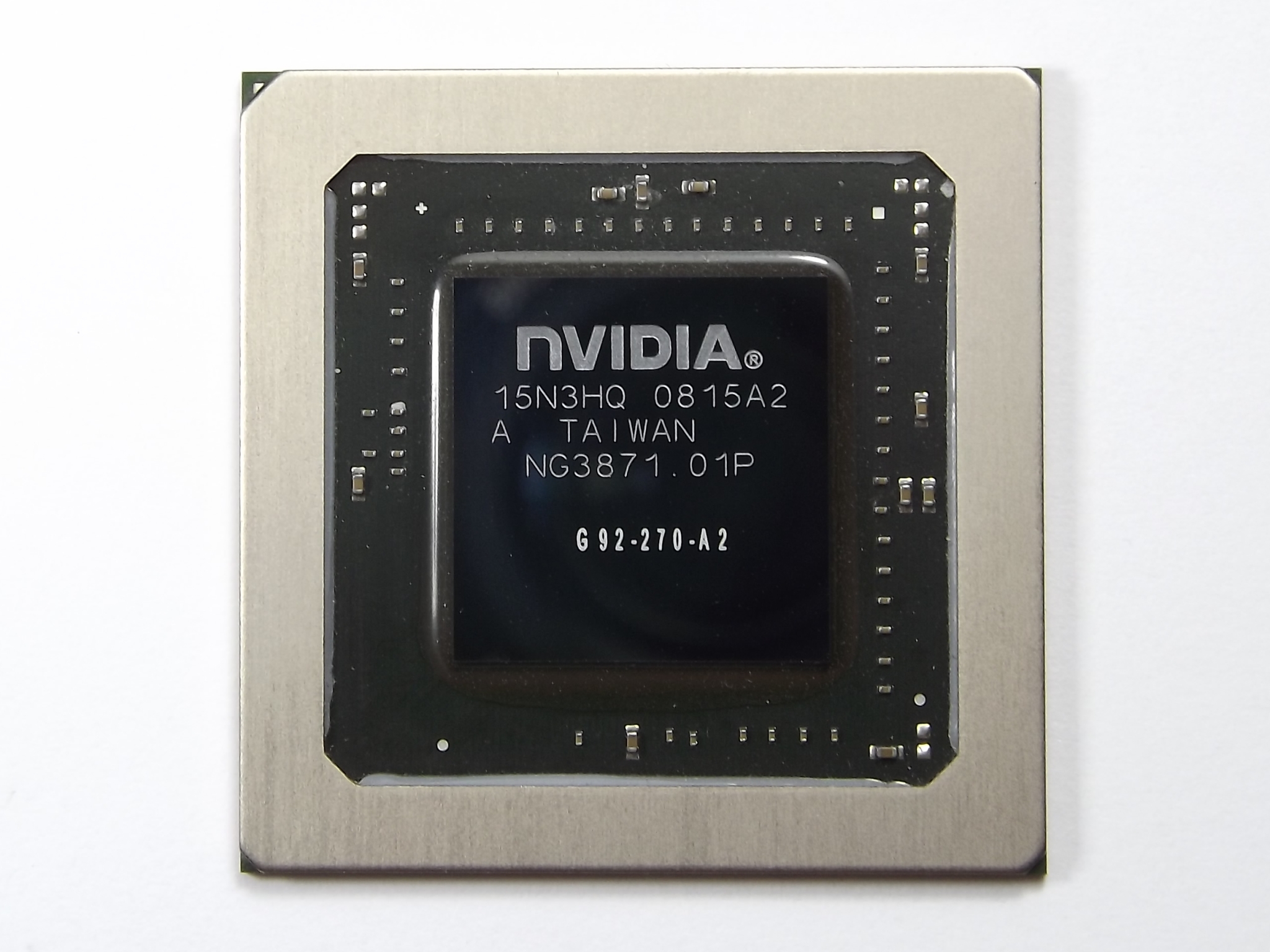
That’s the upside—here’s the catch. DLSS 3, the latest iteration of NVIDIA's technology, requires an RTX 40 series GPU to unlock its full potential. This means that while the new games benefit from DLSS's performance boosts, the advantages are locked behind a high-end hardware barrier. For those without an RTX 40 card, the gains are more modest or nonexistent, leaving mid-range and budget GPUs in a tough spot. The question for buyers is whether the long-term benefits of future-proofing outweigh the immediate cost.
Looking ahead, the expansion of DLSS to these titles suggests a broader trend: AI-driven graphics solutions are becoming more mainstream. As games continue to push the boundaries of realism and performance, technologies like DLSS will play an increasingly critical role in keeping up with demand. For now, though, the choice for gamers is clear—those with RTX 40 hardware stand to gain significantly, while others may need to weigh the trade-offs between performance and cost.
Where things stand today: NVIDIA's DLSS is no longer a niche feature but a standard expectation in high-end gaming. The latest additions to its supported titles reinforce that trend, but the divide between those who can fully utilize it and those who cannot remains a defining factor for the future of ray tracing.