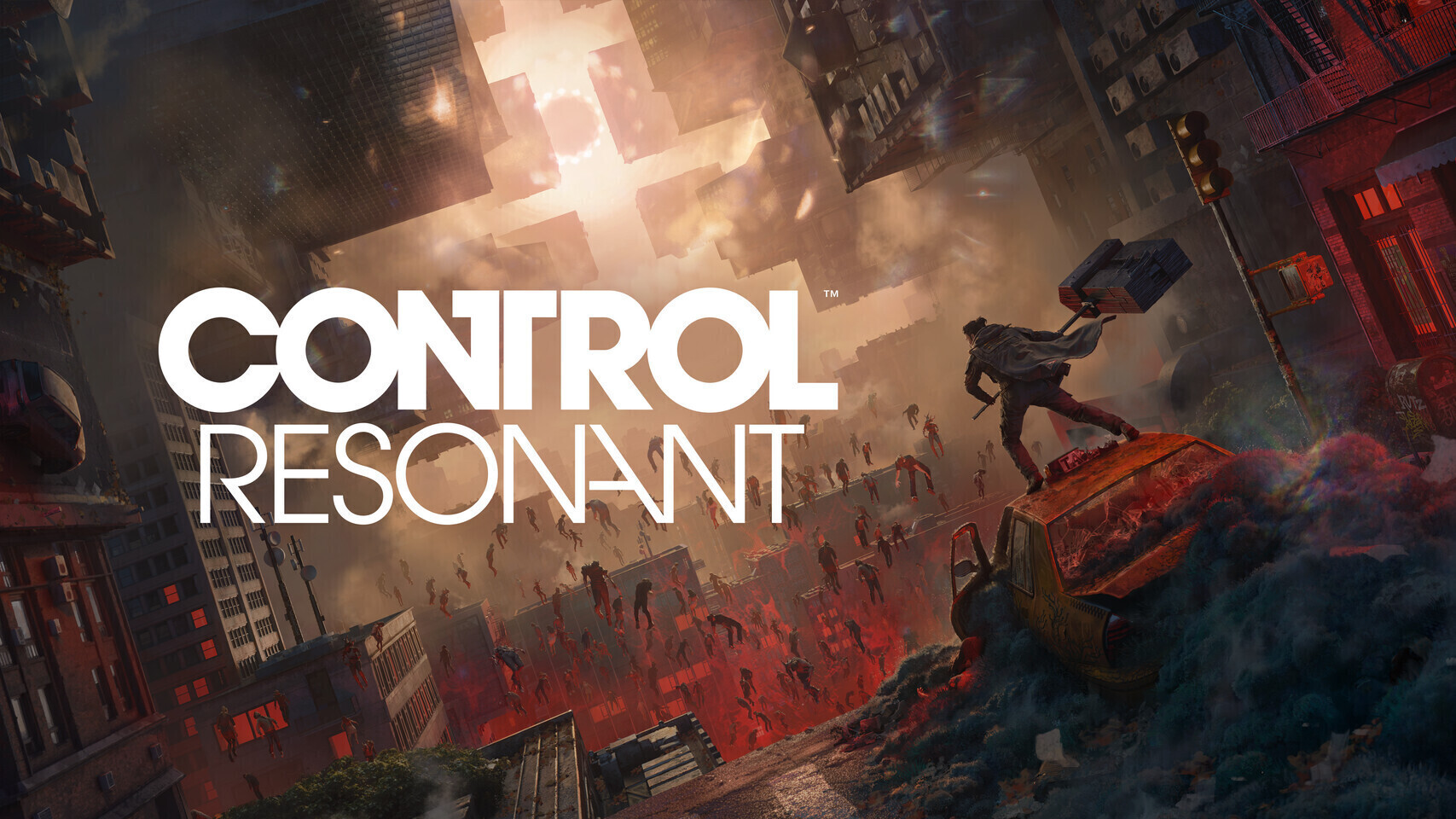
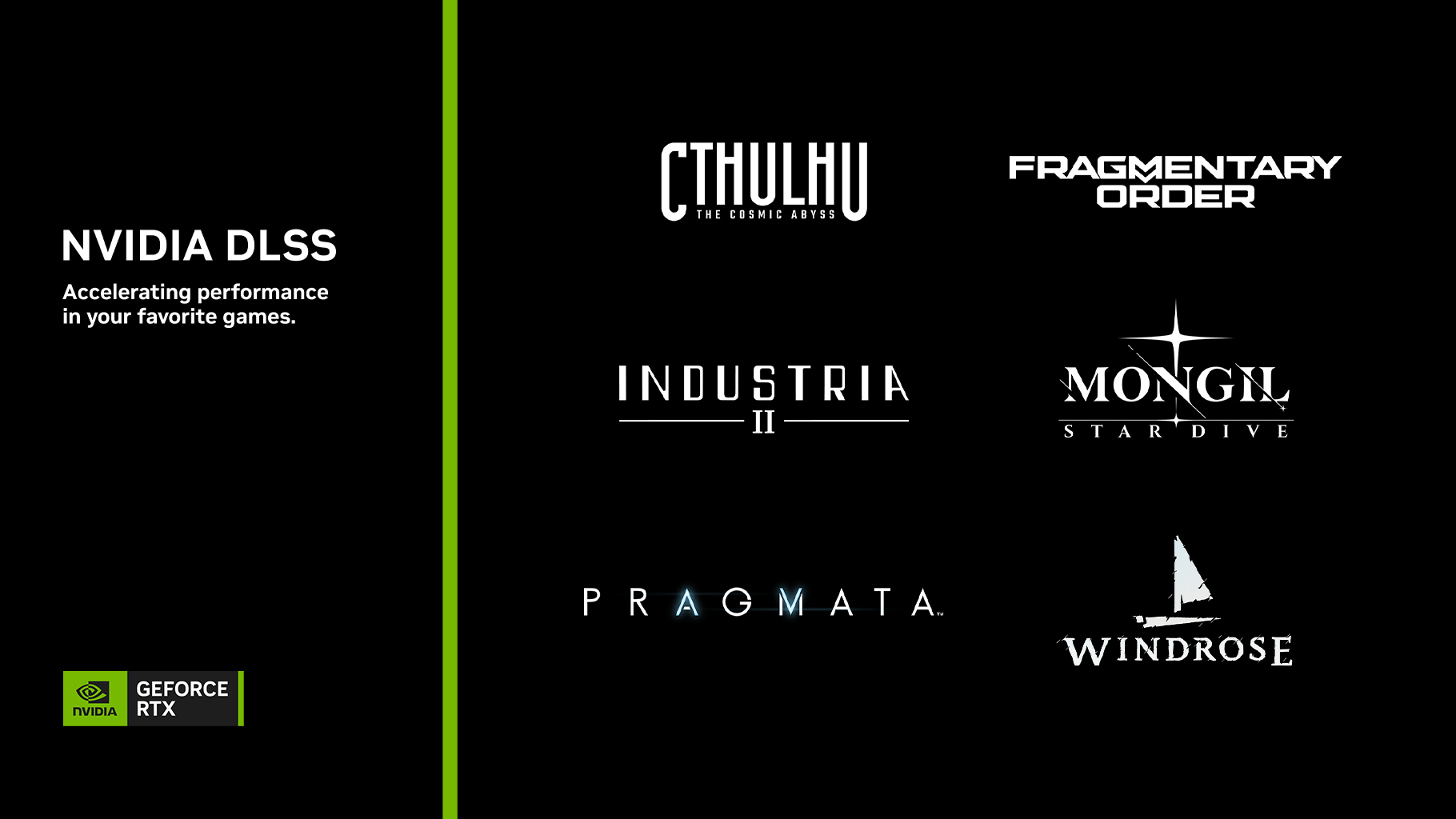
NVIDIA has announced the launch of DLSS 4, featuring four new AI upscaling models—Pragmata, Cthulhu: The Cosmic Abyss, Windrose, and a revised DLSS 3.5. These models bring multi-frame generation support at launch, targeting AI workloads, real-time ray tracing, and image quality improvements.
The new DLSS 4 models are designed to optimize performance across different use cases, with Pragmata focusing on general AI tasks, Cthulhu: The Cosmic Abyss enhancing real-time rendering for complex scenes, and Windrose improving image quality in high-resolution outputs. DLSS 3.5, updated with multi-frame generation support, maintains its role in balancing performance and quality.
Key Specs
- Models: Pragmata, Cthulhu: The Cosmic Abyss, Windrose, DLSS 3.5 (updated)
- Multi-Frame Generation Support: Enabled at launch for all models
- Performance Focus: AI workloads, real-time ray tracing, image quality improvements
The introduction of multi-frame generation support marks a significant shift in how DLSS handles complex scenes. By generating multiple frames before rendering, the new models can reduce latency and improve efficiency, particularly in scenarios requiring high frame rates or detailed textures.
However, the practical impact on real-world performance remains to be seen. While NVIDIA has emphasized the potential for improved image quality and reduced computational load, IT teams will need to evaluate whether these gains translate into tangible operational cost savings or productivity boosts. The new models are expected to be integrated into existing DLSS workflows with minimal disruption.
For enterprises leveraging AI-driven rendering pipelines, DLSS 4 could offer a compelling advantage in managing computational costs without sacrificing output quality. Yet, the true value will depend on how well these models perform under sustained workloads and whether they deliver consistent improvements across diverse applications.