Mouse Computer has launched a prebuilt gaming desktop in Japan that redefines enclosure aesthetics with a **Clear Shift** feature: a glass front panel capable of switching between fully transparent and opaque states at the press of a button. While the technology itself is novel, the system’s underlying hardware suggests a trade-off between gimmick and performance for potential adopters.
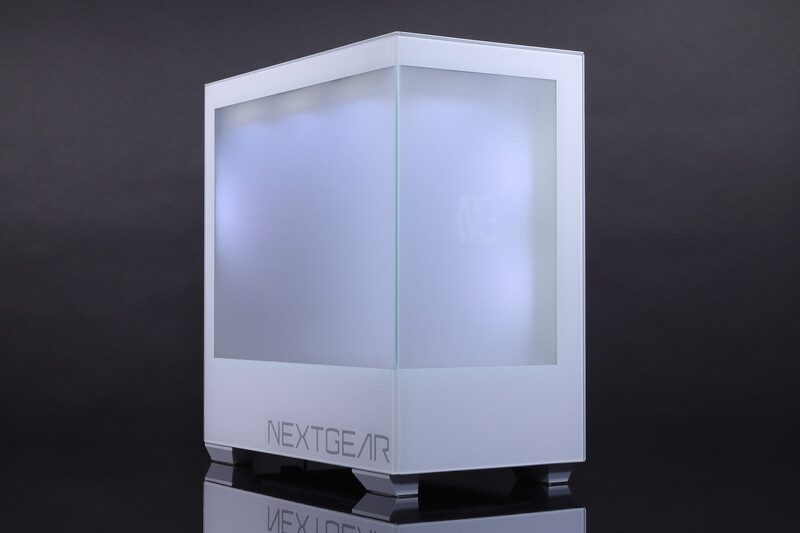
The EG Series, exclusive to Mouse Computer’s direct sales channel, incorporates the Clear Shift mechanism into its chassis design. The panel’s opacity is controlled via a dedicated button located near the I/O ports, allowing users to toggle between a **stealth mode**—where a smoked tint obscures internal components—and a **clear mode**, revealing the build’s internals. The effect is activated only when the system is powered on, with the panel defaulting to opaque when shut down.
Hardware Compromises for a Transparent Display
The EG-A7G60, priced at **224,800 yen (~$1,472 USD)**, features a configuration that leans toward mid-range specifications
- CPU: AMD Ryzen 7 5700X (8 cores / 16 threads)
- GPU: MSI GeForce RTX 5060 (8GB VRAM)
- RAM: 16GB DDR4-3200 (2x8GB)
- Storage: 1TB NVMe SSD
- Motherboard: B550 chipset (unspecified model)
These components position the system as a budget-conscious gaming PC, where the Clear Shift panel serves as the primary differentiator. The trade-off is evident: while the transparency feature may appeal to enthusiasts who prioritize aesthetics over raw performance, the RTX 5060’s 8GB VRAM and mid-range CPU limit its longevity in demanding workloads.
Administrative and Practical Considerations
For system administrators or power users, the Clear Shift enclosure introduces a unique operational quirk. The button-controlled transparency requires no additional software—functioning as a hardware-level toggle—but its practical utility remains limited. Unlike traditional custom-watercooling setups where visibility is static, the dynamic nature of this panel adds a layer of complexity to maintenance and monitoring.
Mouse Computer’s implementation also raises questions about durability. Glass panels, even tempered, are susceptible to scratches or cracks—particularly in a gaming environment where dust, thermal paste, and frequent handling are common. The smoked tint, while effective in stealth mode, may also obscure diagnostics during troubleshooting.
A Potential Industry Catalyst
The Clear Shift technology could inspire competitors to explore similar designs, though adoption outside Japan’s niche market remains uncertain. For now, the EG Series stands as a curiosity: a prebuilt system where form takes precedence over function, catering to a segment of users who value visual spectacle over computational power.
Whether this becomes a trend or a fleeting novelty depends on whether other manufacturers can refine the concept without sacrificing performance—or if consumers are willing to pay a premium for a feature that, in practice, offers limited tangible benefits.