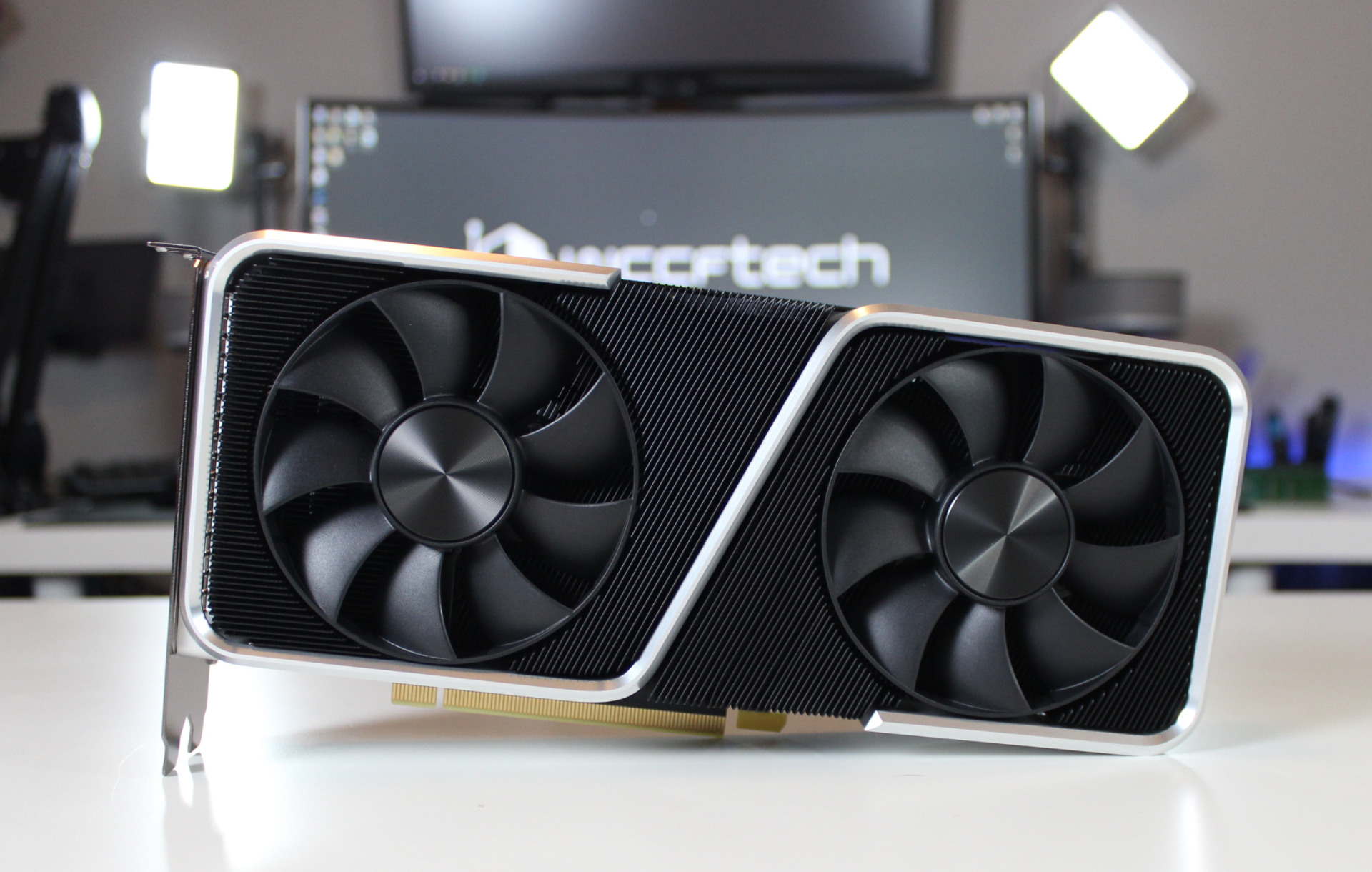
A recent update to the Linux kernel introduces a more efficient way to manage VRAM on GPUs with limited capacity, addressing a long-standing issue that could lead to performance drops in games running on systems with 8 GB or less of dedicated graphics memory.
Previously, Linux would sometimes offload data from VRAM to system RAM when the GPU ran low on space, even if it meant moving active game processes. This behavior could cause stuttering and frame-pacing problems, especially in demanding titles. The new patch, developed by a Valve engineer, ensures that critical GPU workloads remain in VRAM whenever possible, significantly reducing reliance on system memory.
Testing with Cyberpunk 2077 showed a notable improvement: before the patch, the game used around 6 GB of an 8 GB VRAM allocation, with roughly 1.37 GB being pushed to system RAM via the Graphics Translation Table (GTT). After applying the patch, VRAM usage climbed to nearly 7.4 GB, while GTT allocation dropped by over half—down to just 650 MB.
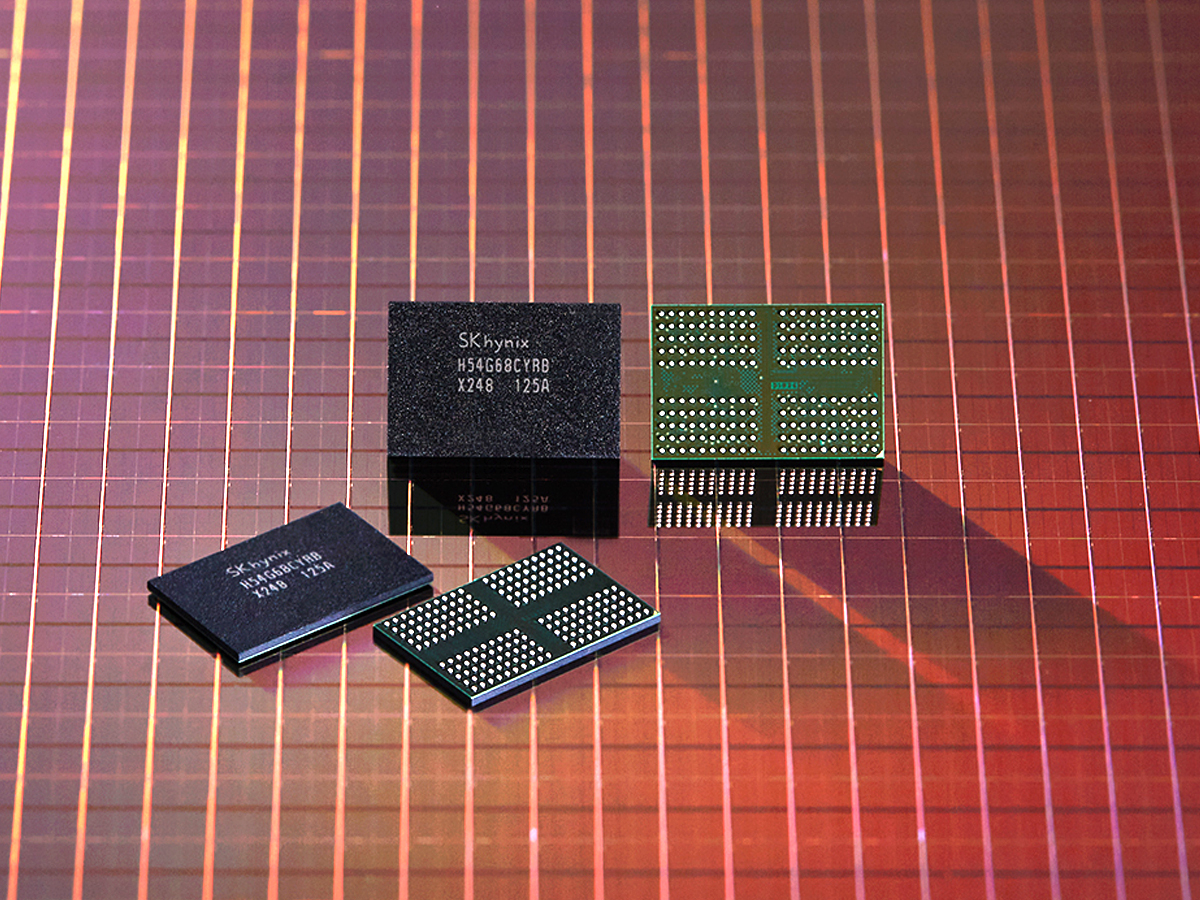
This optimization is particularly relevant for Valve’s upcoming Steam Machine, which also features an 8 GB GDDR6 VRAM configuration. While the patch was likely designed with Valve’s hardware in mind, it will benefit millions of Linux users running older or mid-range GPUs, including those with 6 GB or less of VRAM.

The changes involve real-time adjustments to how Linux prioritizes GPU memory usage, preventing unnecessary offloading while maintaining system stability. Early adoption is already underway, with several Linux distributions integrating the patch into their latest releases. Additionally, updates to the KDE desktop environment now ensure that active windows are given priority for VRAM allocation, further reducing interruptions.
While more comprehensive performance benchmarks are still needed, initial results suggest a meaningful reduction in stuttering and improved frame consistency. Users with GPUs featuring 8 GB or less of VRAM should see noticeable improvements in both gaming and non-gaming workloads, though the full impact will depend on individual system configurations.
The patch does not alter hardware specifications or require any user intervention beyond a standard kernel update. Systems running Linux distributions that have already adopted the changes—such as those based on recent kernel releases—will benefit automatically. For others, updating to a distribution with the latest kernel patches will be necessary.