Game development is undergoing a quiet revolution, and NeoWiz’s Round8 engine lies at the heart of it. Instead of building separate engines for each title, NeoWiz is standardizing on one flexible system capable of handling six diverse games—from real-time strategy to multiplayer shooters and RPGs. The twist? Generative AI is being woven into this pipeline to generate assets, environments, and even level layouts at scale.
The engine’s modular design is its core innovation. Physics simulations, narrative logic, and other foundational systems are pre-built and adaptable. This means that once a component—like collision detection or dialogue trees—is refined for one game, it can be repurposed with minimal effort for others. The result? A potential leap in development efficiency, but also the risk of games feeling structurally similar if not carefully managed.

Key Considerations
- Modular Components: Pre-built systems for physics, logic, and narrative structures that can be adjusted for different genres.
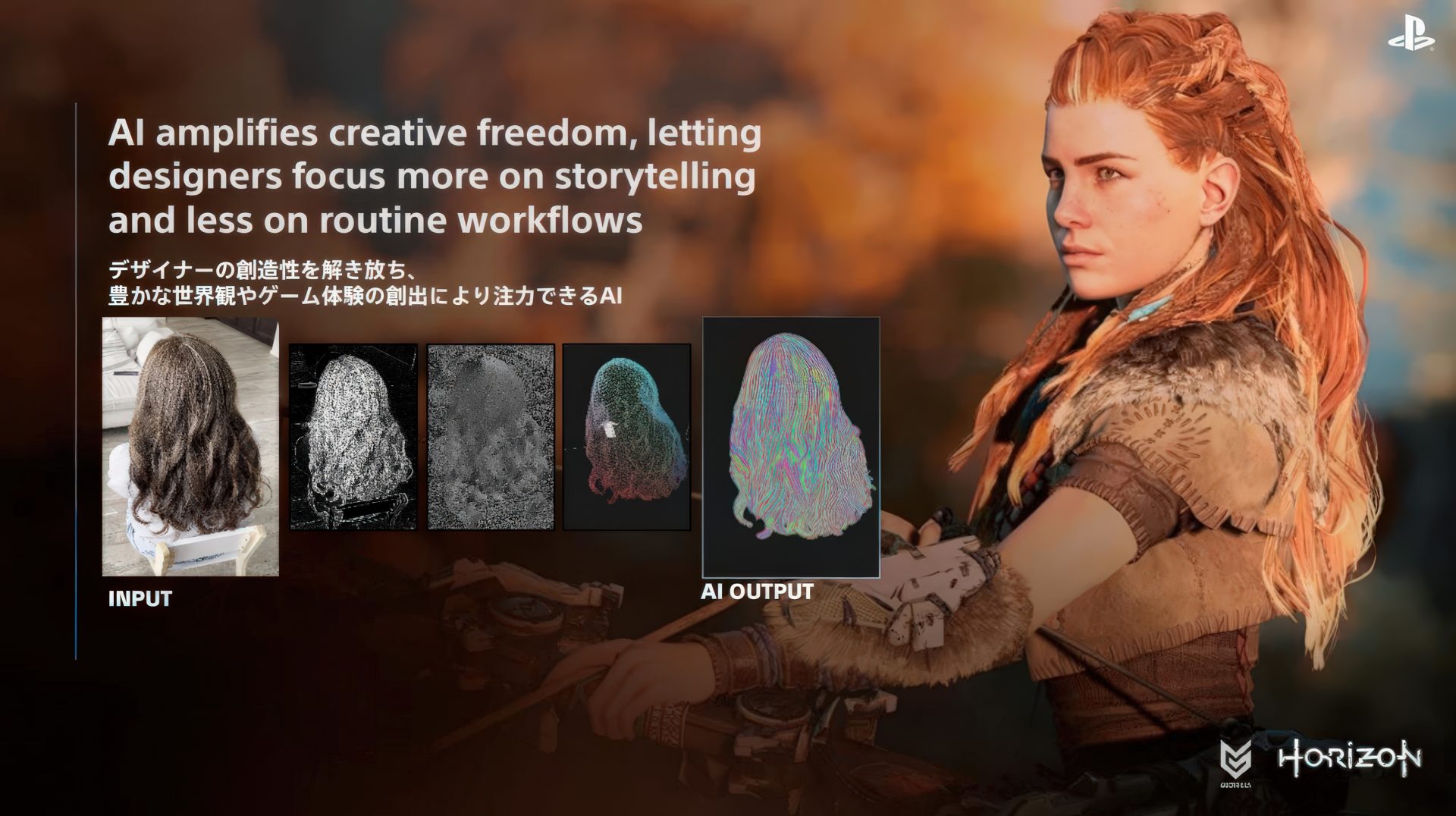
- Generative AI Integration: Used to create textures, environments, and procedural content, aiming to speed up development without compromising quality.
- Creative Distinctiveness: The challenge of ensuring each game retains its unique identity despite sharing underlying mechanics.
Why This Matters
The Round8 engine isn’t just a tool—it’s an experiment in how far modularity and AI can push the boundaries of mid-budget game development. If NeoWiz succeeds, it could prove that shared systems and generative AI don’t have to come at the cost of creativity. However, if the AI prioritizes speed over nuanced design, the games might lack the depth players expect.
The Bigger Picture
This approach could redefine how studios balance efficiency and originality. Modular engines and AI tools offer unprecedented potential for speed and scalability, but they require a fundamental shift in how games are designed. The outcome will tell us whether the future of game development favors shared systems or bespoke creativity.
Takeaway
For developers, this strategy represents both an opportunity and a challenge. Modular engines and AI tools can drastically reduce development time, but they demand a new way of thinking—one that prioritizes adaptability without sacrificing creative ambition. The success or failure of Round8 will shape the industry’s path forward.