Narwal’s $1,500 robot mop arrived with a promise: precision mapping, obstacle avoidance, and the ability to tackle even the dirtiest floors without missing a spot.
The challenge was simple—yet brutal. A kitchen floor caked in years of grease, sticky residue from countless spills, and the inevitable pet hair buildup after a long day. The mop’s first pass left some areas untouched, forcing it to retrace its path multiple times before achieving full coverage.
Despite the high price tag, Narwal’s design prioritizes efficiency over brute force. Its dual-camera system maps surfaces in real time, adjusting for uneven tiles and sudden obstacles like toys or shoes. Where it excels is in deep cleaning modes: a scrub brush that digs into grout and a microfiber cloth that lifts fine particles without scattering them back onto the floor.
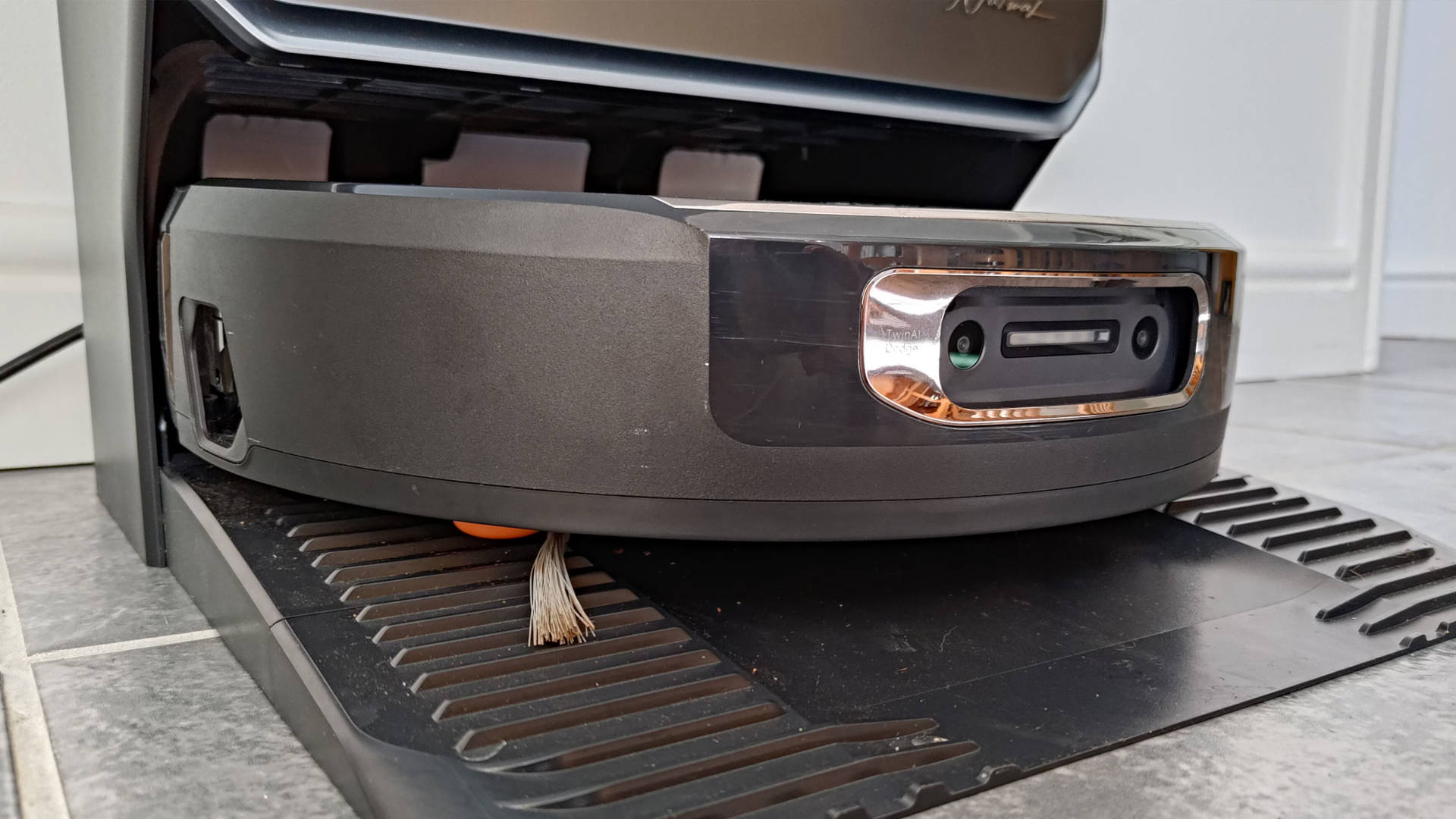
- Dual-camera navigation with 360-degree coverage
- Adjustable suction for pet hair removal
- Self-emptying bin (requires optional $50 accessory)
- Voice command integration via smart home platforms
The limitations are clear. The self-emptying feature, while convenient, adds cost and requires manual setup. Battery life—around 90 minutes per charge—means small rooms need frequent recharging. And at $1,500, it’s not the solution for budget-conscious households.
Yet for those willing to invest, Narwal’s mop stands out in a crowded market. It doesn’t just clean; it learns. Over time, it remembers problem areas and refines its path. In an era where smart home devices are expected to do more than just perform tasks—they must adapt—this robot sets a new benchmark for what’s possible on a daily basis.