Beyond the immediate financial shockwaves, the fallout from NACON’s judicial reorganization could reshape the European games industry. The publisher’s 16 studios—each a powerhouse in its own right—now face an existential crossroads. Daedalic Entertainment, renowned for its narrative-driven titles and DLCs in The Witcher 3*, could see its pipeline stall. Big Ant Studios, the creative force behind *The Mound: Omen of Cthulhu*, might struggle to retain its core team. Even Milan-based Nacon Studio, still finding its footing after years of development, could be forced into unplanned restructuring.
The uncertainty extends to the thousands of developers under NACON’s umbrella. Payrolls may be delayed, contracts renegotiated, or entire projects shelved. For studios accustomed to multi-year development cycles, such disruptions could mean lost revenue, canceled partnerships, and a loss of institutional knowledge. The psychological toll on teams—many of whom have dedicated years to games like *Edge of Memories or *Cthulhu: The Cosmic Abyss*—cannot be overstated.
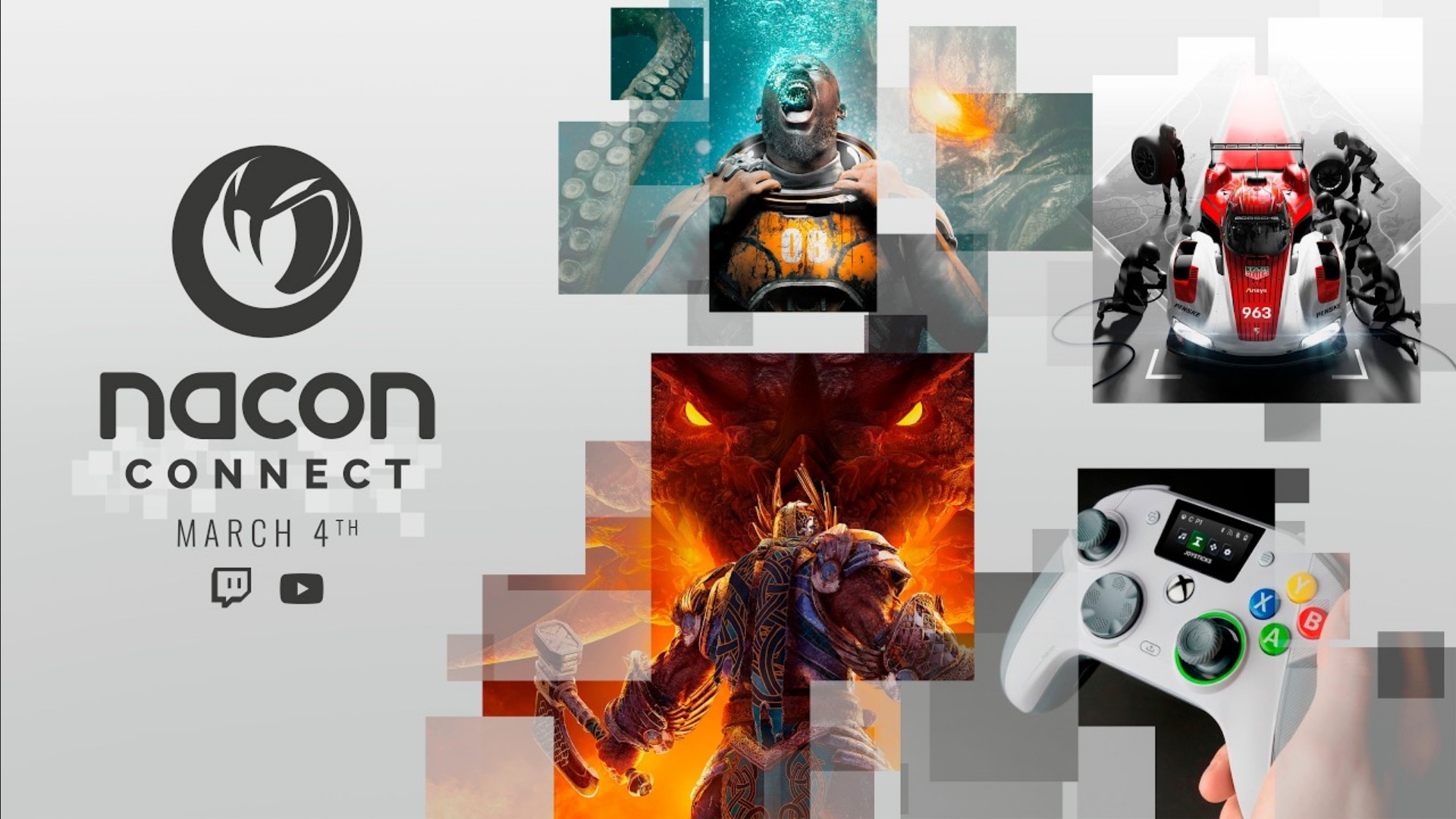
Yet the most visible casualty may be NACON’s upcoming showcase. The NACON Connect event, scheduled for March 4, was designed to highlight the publisher’s ambitions: a curated lineup of titles pushing boundaries in horror, RPG mechanics, and atmospheric storytelling. But with the judicial reorganization in place, the event’s future is far from certain. If the showcase proceeds, it may serve as a hollow spectacle—a symbolic gesture in the face of mounting financial pressure. Alternatively, it could be canceled entirely, leaving fans and industry observers with more questions than answers.
For players, the stakes are clear. *Edge of Memories*, a psychological thriller set against the backdrop of a dystopian city, was poised to debut later this year. *The Mound*, a survival game steeped in Lovecraftian horror, had already generated buzz for its immersive world-building. Now, both titles—along with others in NACON’s pipeline—hang in the balance. Delays could stretch into years, or worse, development might halt entirely, leaving unfinished projects in limbo.
The gaming industry has seen its share of publisher collapses, but NACON’s case stands out for its scale. Unlike smaller studios that can pivot or seek new backing, NACON’s 16 AA-level operations represent a rare concentration of talent and resources. If the publisher collapses, the ripple effects could be felt across Europe, where many of its studios operate. Developers may seek alternative employers, but the loss of institutional expertise could weaken the region’s competitive edge.
What happens next depends on the outcome of NACON’s judicial reorganization. The 18-month observation period offers a glimmer of hope—a window to negotiate with creditors, secure new investors, or explore asset sales. But time is not on the publisher’s side. The March 4 showcase, if it takes place, will serve as a litmus test: a sign of resilience or a prelude to further turmoil. For now, the only certainty is that the games industry is watching closely, bracing for a resolution that could redefine the future of European game development.
The road ahead is fraught with challenges, but one thing is clear: NACON’s crisis is not just a financial warning. It is a reminder of how fragile even the most established publishers can be in an industry where creativity and capital must align perfectly to survive.