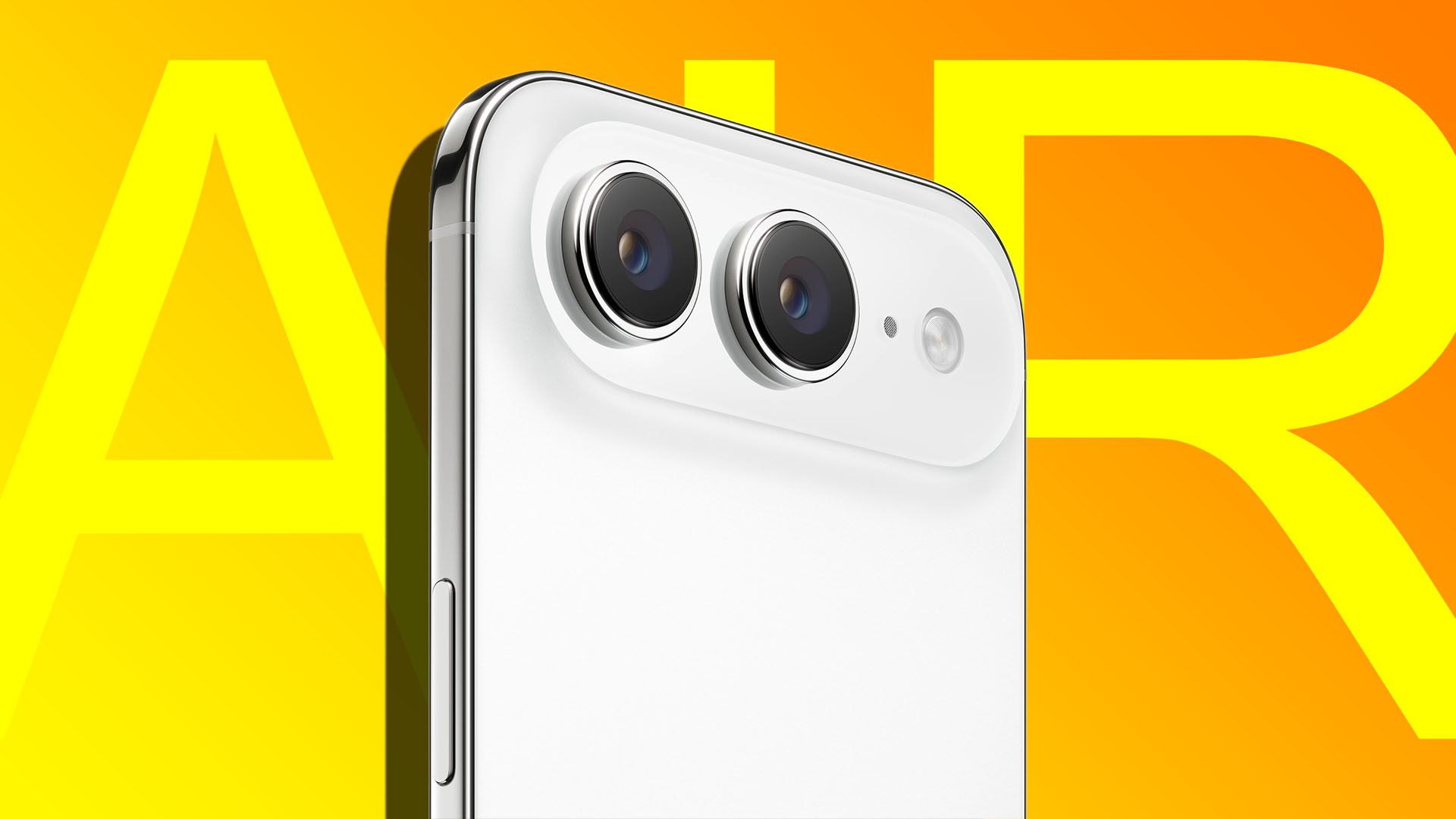
A single number stands out from the Barcelona show this year: 32GB. Not of storage or RAM, but the maximum sustainable bandwidth a new foldable phone can maintain without thermal throttling. It’s a benchmark that challenges conventional assumptions about what mobile devices can handle under load—especially in enterprise environments where reliability is non-negotiable.
This year’s MWC awards spotlight 12 products that redefine the possible, from ultra-compact smartphones to innovative smart security systems. They share one trait: each solves a specific problem for businesses without sacrificing efficiency or future-proofing.
A new standard for performance
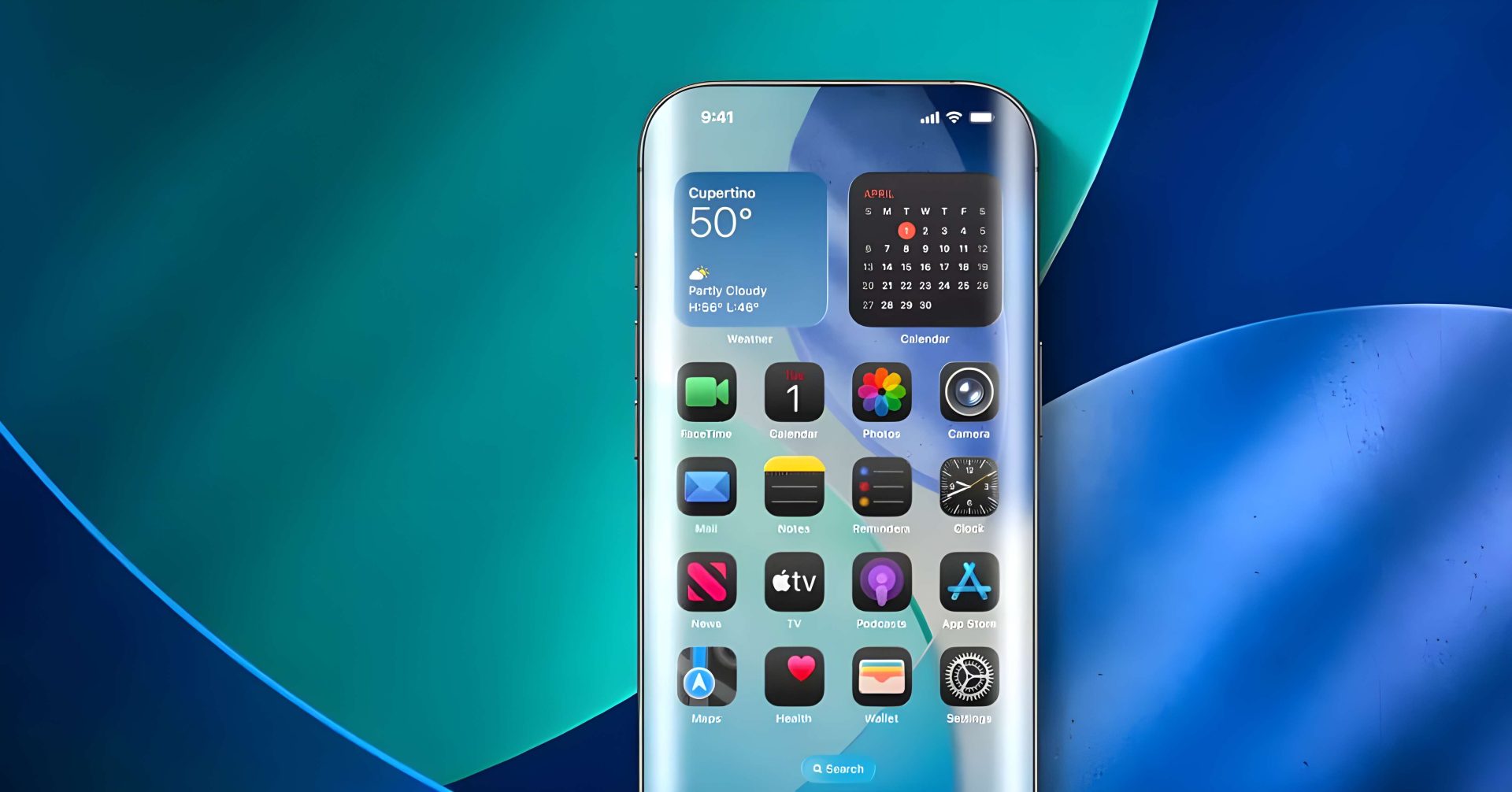
At the core of these devices is a shift in how power and thermal management are balanced. Take the latest foldable smartphone, which delivers 120Hz refresh rates across its entire display—even when folded—while sustaining that 32GB bandwidth figure under sustained workloads. Traditional foldables often drop performance when folded to conserve battery, but this model avoids that trade-off entirely.
Other winners include
- Ultra-compact smartphone: A device measuring just 140mm in height yet packing a 6.2-inch display, offering enterprise-grade durability and IP68 water resistance.
- Next-gen foldable: Features a flexible OLED display with 95% screen-to-body ratio, maintaining 32GB bandwidth without thermal throttling.
- Smart security system: A modular solution combining biometric authentication and AI-driven threat detection, designed for large-scale deployments.
The focus on efficiency isn’t just about raw specs. It’s about how these devices behave in real-world scenarios—whether that’s a smartphone surviving drops or a foldable maintaining performance through multiple folding cycles without degradation.

Where the marketing holds up—and where to stay cautious
Not every claim is backed by measurable data, however. Some products tout 'unprecedented' battery life without specifying workload conditions, making it difficult for enterprises to assess long-term reliability. Others promise seamless integration with existing ecosystems but lack detailed API documentation—a red flag for businesses evaluating scalability.
The most convincing winners are those that provide concrete benchmarks alongside their marketing language. For example, one smartphone model demonstrates a 40% reduction in thermal output compared to competitors, verified through third-party validation. That kind of transparency is rare and valuable for enterprise buyers.
When it comes to future-proofing, the emphasis on modular components—like swappable batteries or upgradeable storage—stands out. These features allow businesses to extend a device’s lifecycle without premature replacement, aligning with sustainability goals while maintaining performance.
The bigger picture: efficiency as the new battleground
MWC 2026 signals a shift in priorities for mobile tech. Performance is no longer measured solely by speed or screen innovation; it’s about how devices perform under sustained, real-world conditions. This matters especially for enterprises, where downtime isn’t just inconvenient—it’s costly.
The winners this year reflect that mindset. They prioritize thermal efficiency, durability, and modularity over gimmicks like camera megapixels or display gimmicks. The result is a set of products that feel purpose-built rather than trend-driven.
For businesses, the takeaway is clear: the next generation of mobile tech isn’t just about what’s new—it’s about what lasts. And in 2026, that means devices that can handle the demands of work without compromise.