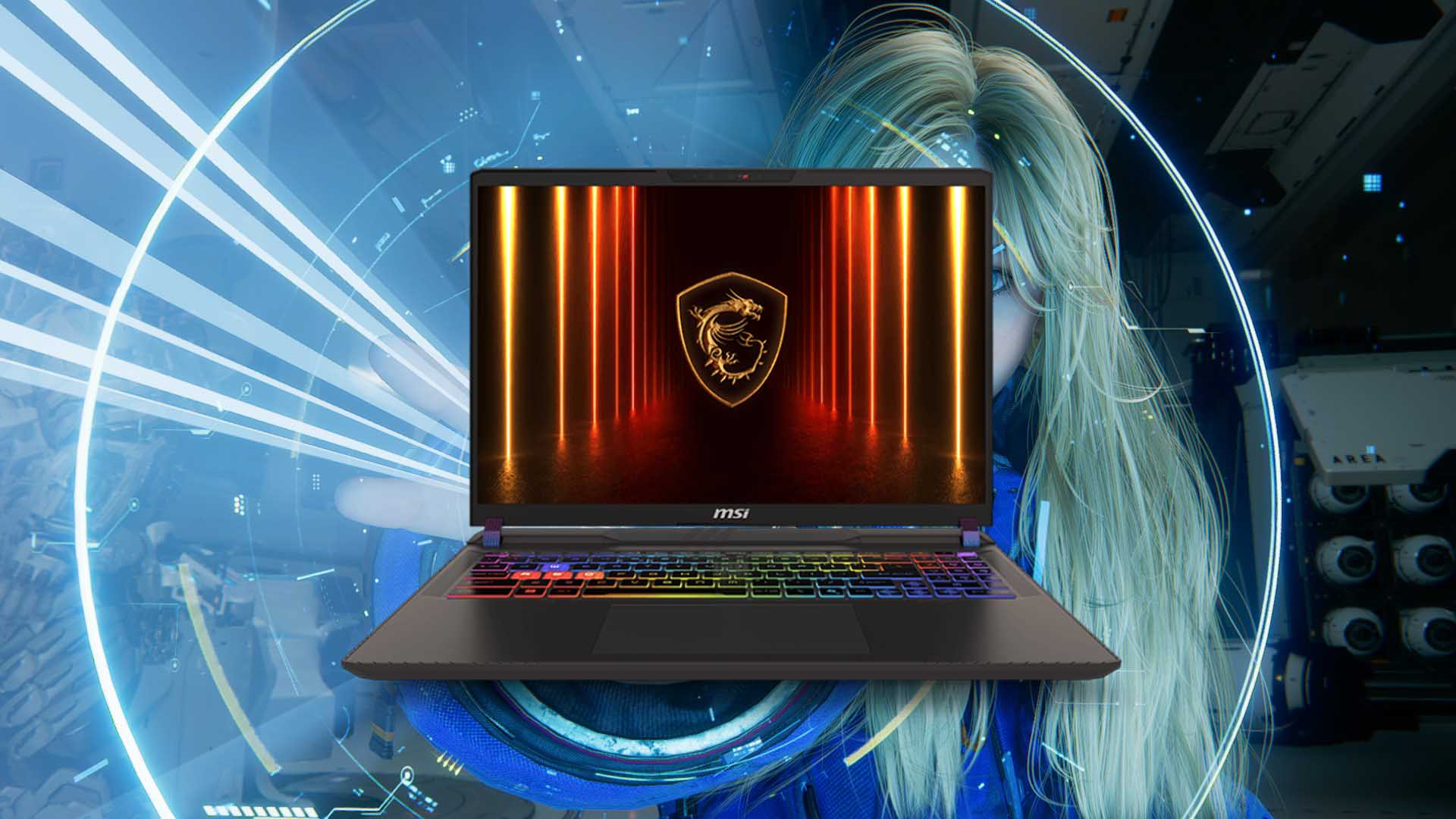
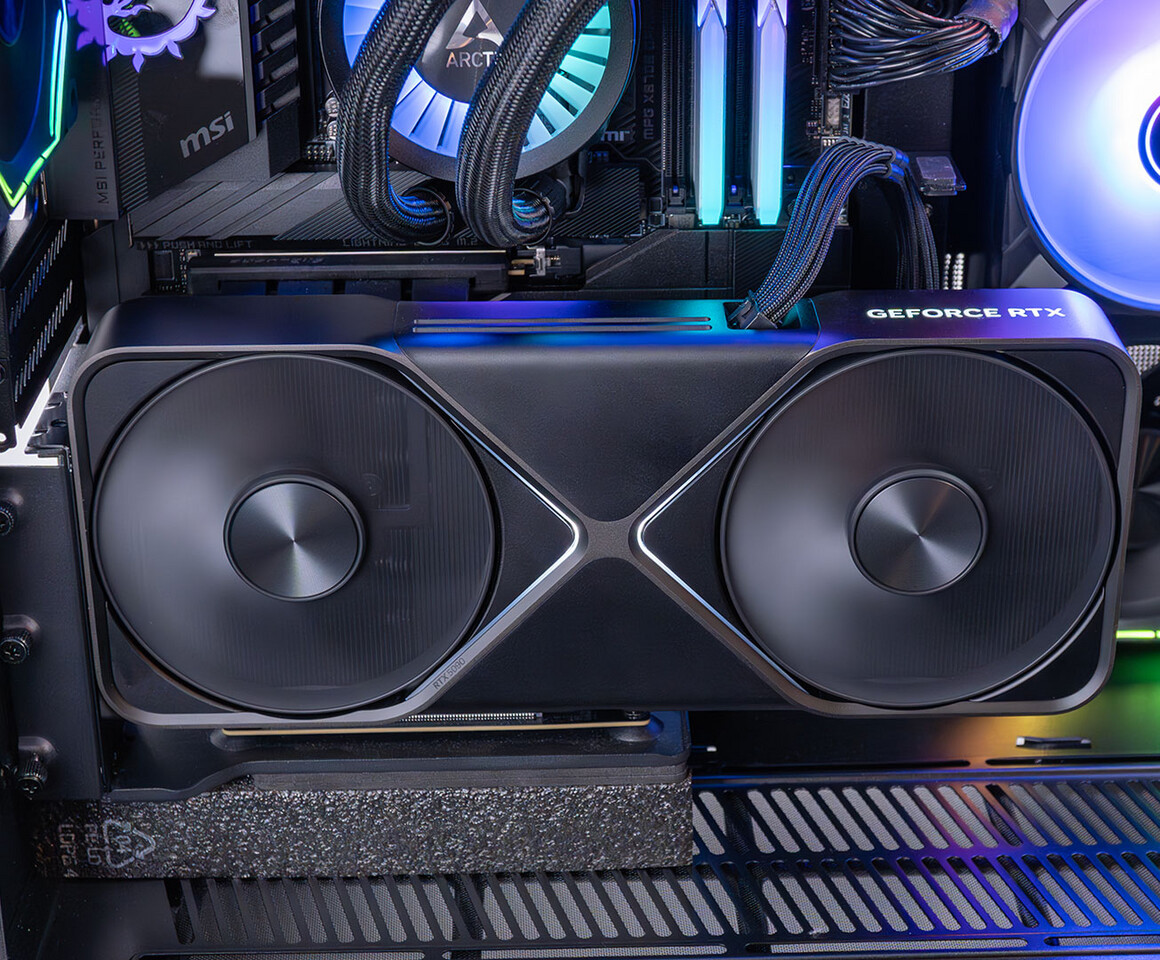
MSI has announced it will increase production of DDR4 motherboards in response to a significant shortage of gaming GPUs, which the company attributes to NVIDIA’s prioritization of AI data center demand over consumer markets.
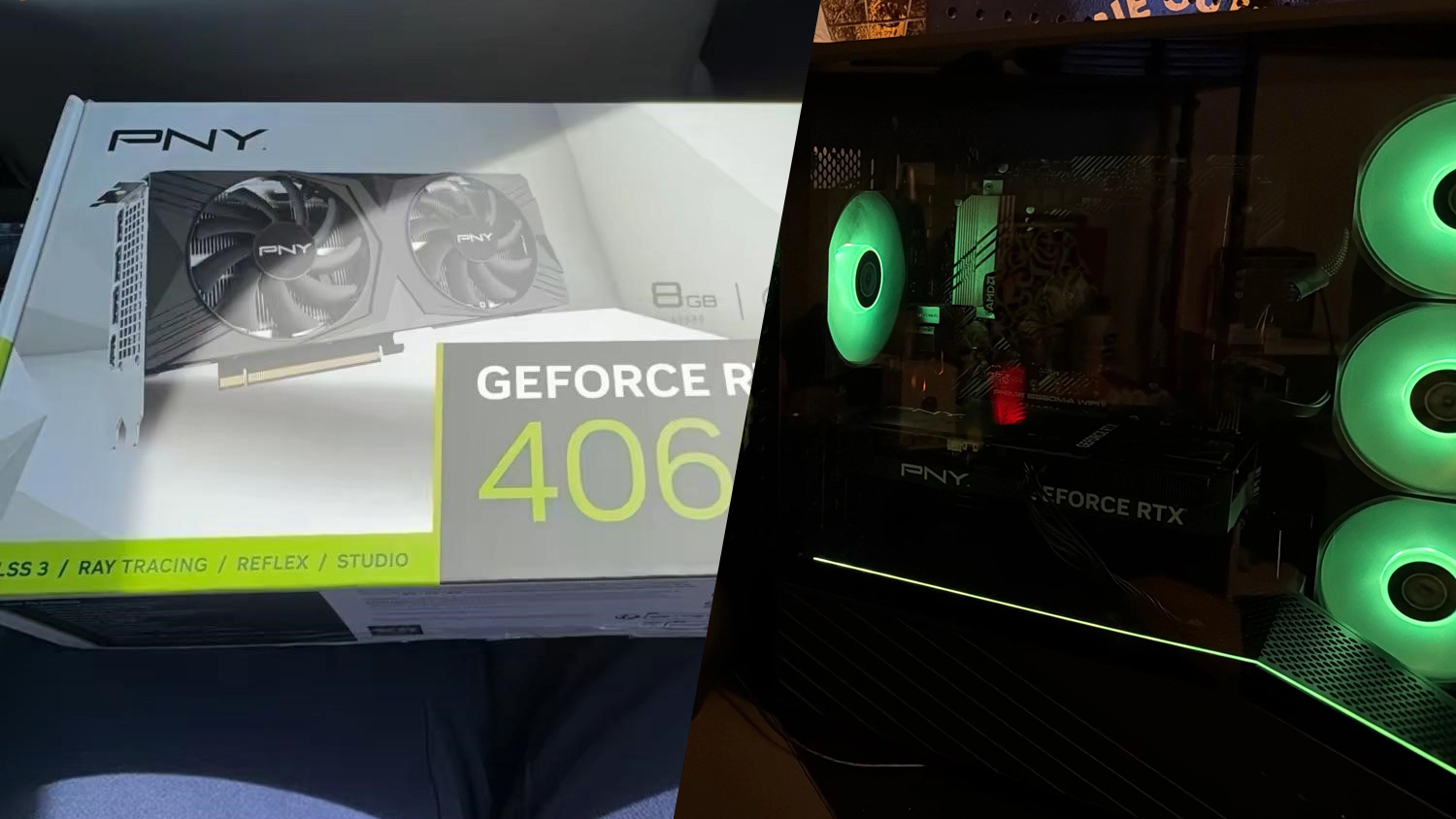
The move comes as PC enthusiasts and gamers face dwindling supplies of both RTX 5070 and RTX 5060 models, with reports suggesting a 20% undersupply in GPU availability. MSI’s general manager has indicated that this shortage could lead to a 15–30% price increase for its gaming products, while retailers like Mindfactory have already reported declines in GPU sales volume.
- At a glance:
- MSI is increasing DDR4 motherboard production due to GPU supply constraints.
- The RTX 5070 and RTX 5060 face a reported 20% undersupply, affecting market availability.
- ASUS has already shifted focus to DDR4 platforms, signaling broader industry trends.
- Price increases of 15–30% for gaming products are expected due to supply chain pressures.
The shift toward older memory standards like DDR4 reflects a broader industry challenge. While newer architectures such as Zen 3 and DDR5 offer performance benefits, the current market conditions have forced manufacturers to reconsider their production strategies. This includes long-term contracts for memory components and a reduced emphasis on next-generation platforms.
For PC builders, this means navigating a landscape where older but more readily available hardware may become the default choice, despite the efficiency gains offered by newer technologies like Zen 3-based processors and DDR5 RAM. The trade-off is clear: while DDR4 motherboards may be easier to source, they lack the future-proofing that comes with newer standards.
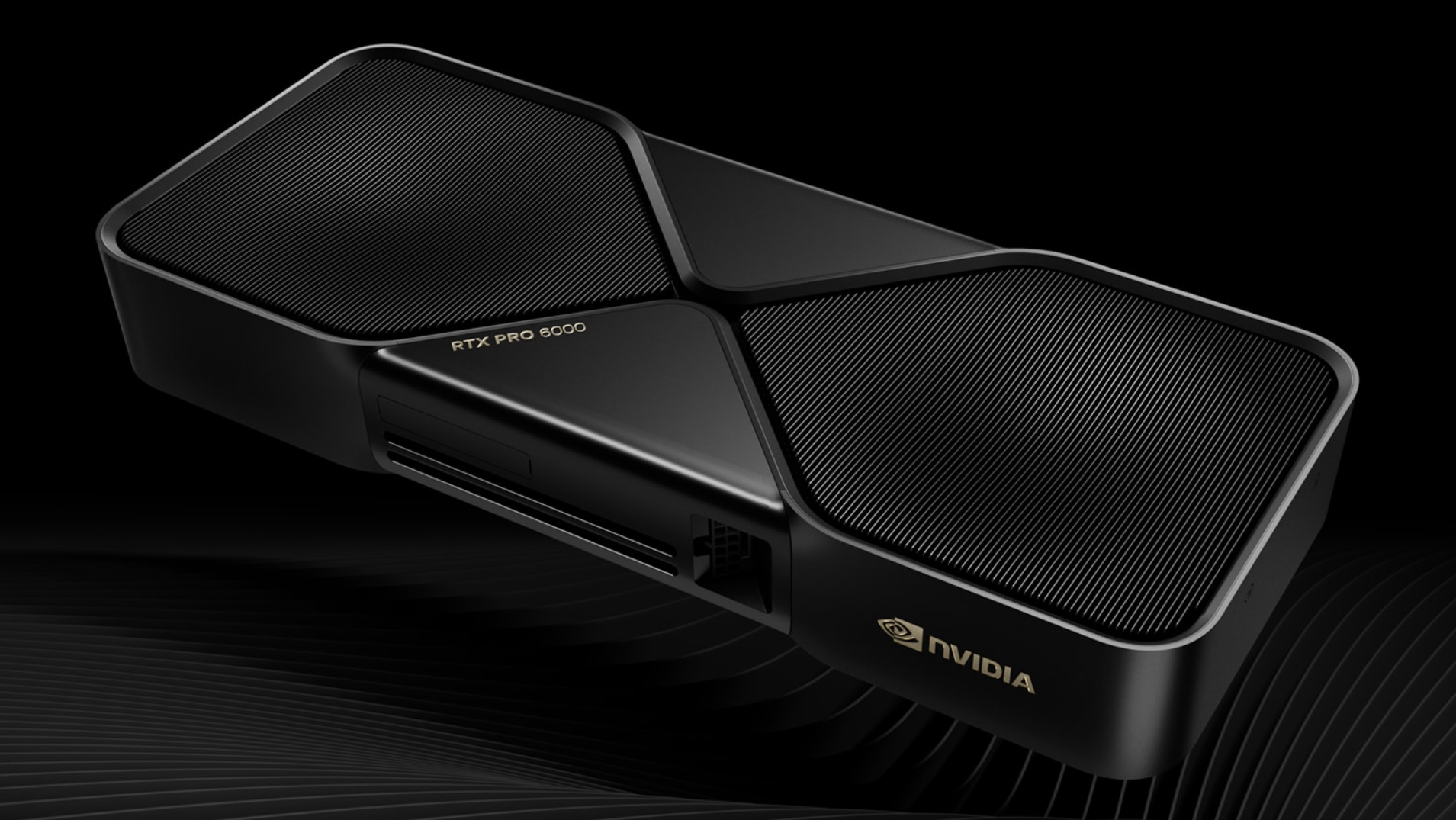
The situation also raises questions about platform lock-in. NVIDIA’s dominance in the discrete GPU market—reportedly at 94% share—means that any shortages directly impact gaming performance and availability. Meanwhile, manufacturers like MSI and ASUS are left scrambling to balance supply chain constraints with customer demand.
While the exact timeline for GPU recovery remains uncertain, one thing is clear: the current shortage has forced a reevaluation of how PC hardware is developed and distributed. Whether this leads to long-term stability or further fluctuations depends on how quickly NVIDIA and its partners can reconcile AI-driven demand with consumer needs.