The fate of one of gaming’s most storied studios now rests with buyers willing to take a risk. Midgar Studio, home to the development team for Edge of Memories, has been listed for sale, casting a shadow over its future. While the studio remains operational, its financial instability—tied to parent company Nacon’s insolvency—has left developers and fans alike wondering if this is just another chapter in a long decline or a chance for reinvention.
At the heart of the uncertainty is Edge of Memories, an action-RPG that blends retro aesthetics with modern combat. The game, developed by Midgar Studio’s team, stands as both a testament to their expertise and a potential albatross if the studio cannot secure stable funding. Its release was already delayed, and now its development environment itself is up for auction.
Why This Matters
The sale of Midgar Studio isn’t just about one team or one game—it’s a barometer for the entire industry. Small studios, especially those backed by larger but financially precarious entities, are increasingly vulnerable to market shifts. For Edge of Memories, the stakes couldn’t be higher: if the studio shuts down, its intellectual property and unfinished projects could vanish without a trace.
A Studio in Transition
Midgar Studio’s history is one of innovation, from pioneering 3D action-RPGs to pushing boundaries with narrative-driven gameplay. Yet today, it finds itself at a crossroads. The sale listing suggests the studio is seeking a buyer who can provide both financial stability and creative freedom—no small feat in an industry known for its boom-and-bust cycles.
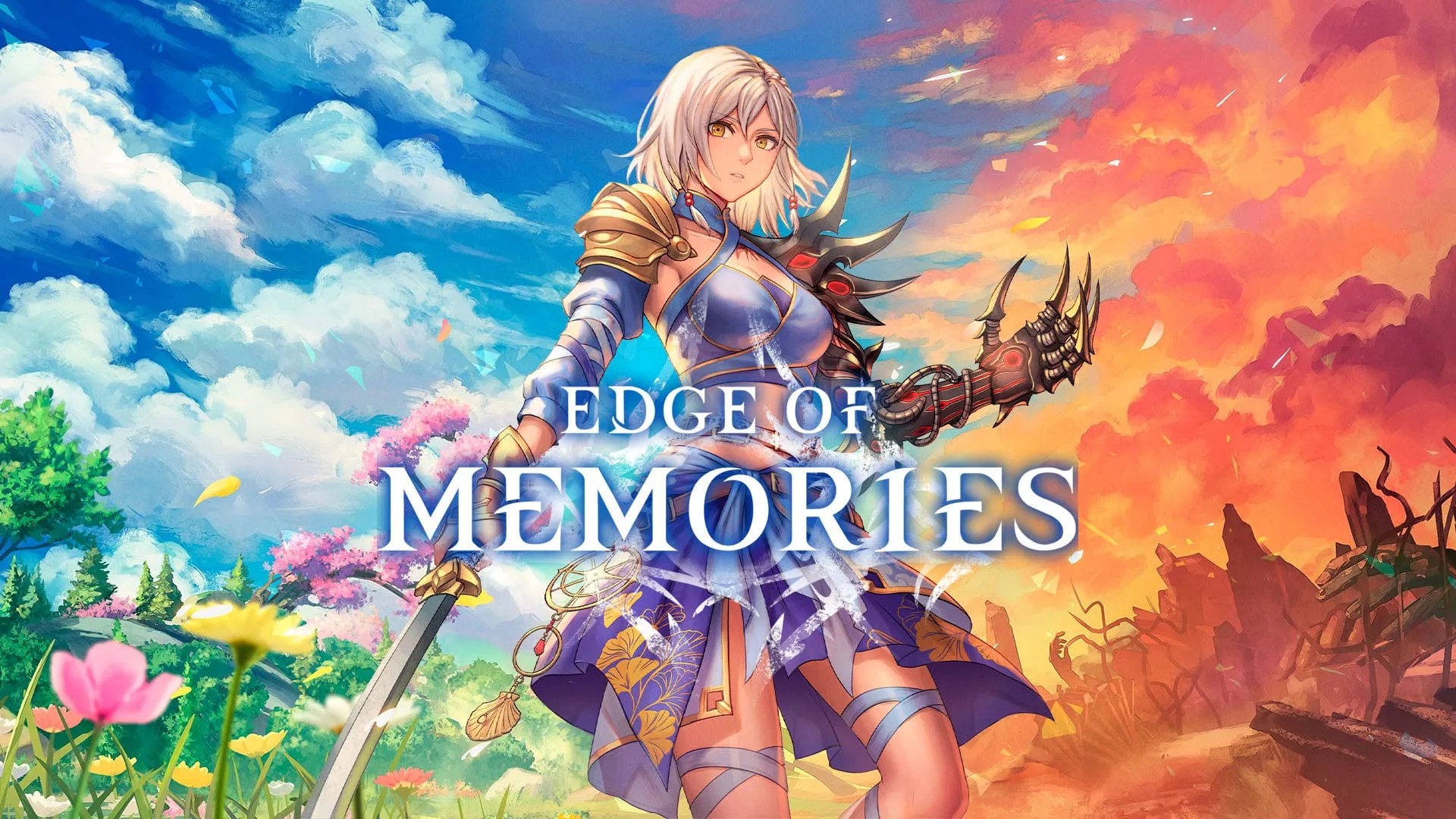
Potential buyers would inherit not just a team but also a portfolio of unfinished projects, including elements of Edge of Memories. The challenge lies in whether any buyer can afford the overhead without compromising the studio’s identity. Midgar Studio’s reputation for meticulous development and narrative depth is its greatest asset—but also its most expensive.
The Road Ahead
For now, Edge of Memories remains in development, but its future hinges on whether a buyer emerges before the studio’s resources run dry. If the sale drags on or fails entirely, the game could face further delays—or worse, cancellation. The industry has seen studios dissolve overnight, leaving behind unfinished works and disillusioned teams.
Small businesses in gaming, particularly those tied to larger but unstable entities, must navigate this landscape carefully. A studio’s survival often depends on its ability to adapt quickly, and Midgar Studio’s sale serves as a reminder that even the most established names aren’t immune to financial storms. The next few months will be critical in determining whether Edge of Memories gets the closure it deserves or fades into obscurity.