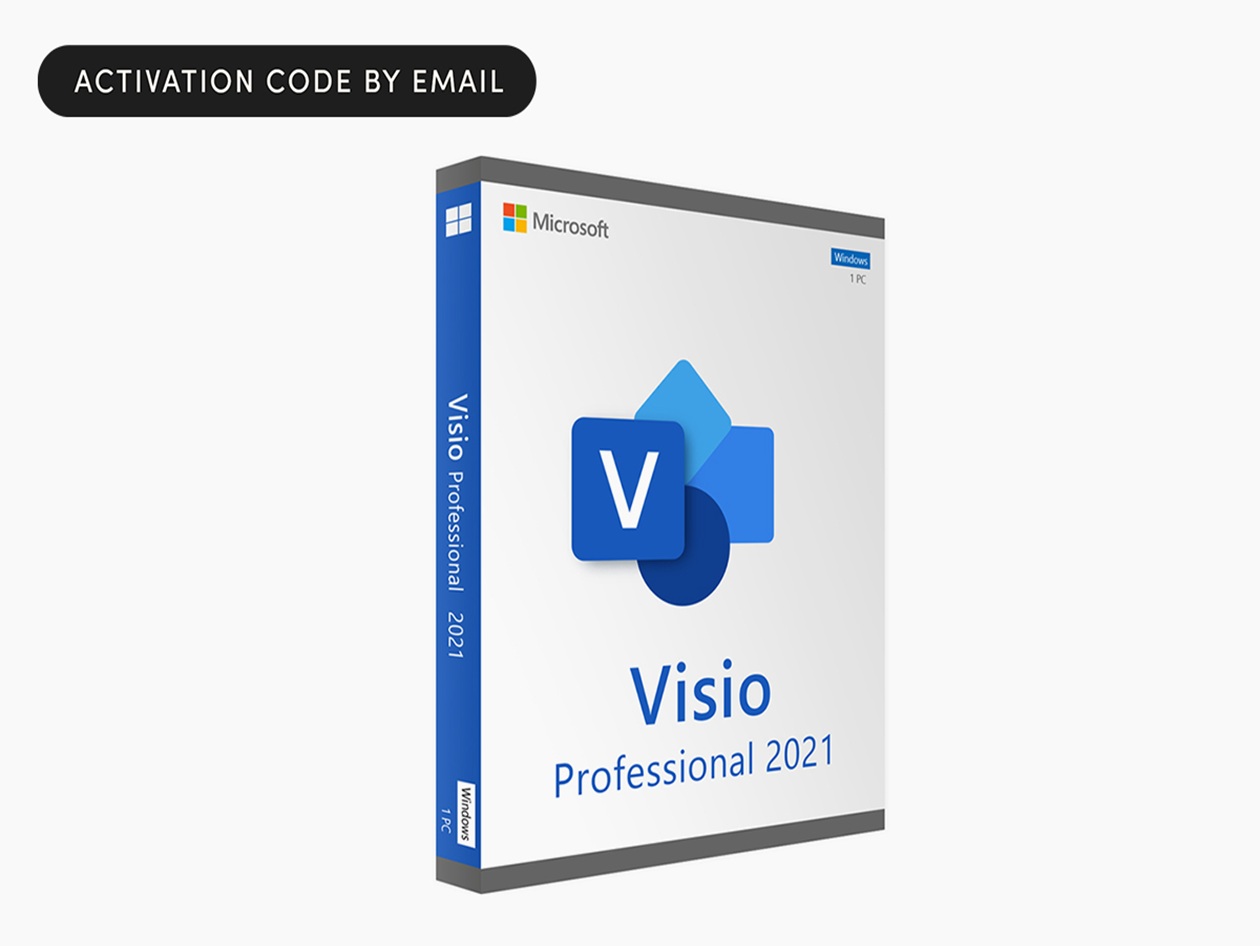
Microsoft Visio, a staple in the world of technical diagrams, has taken a notable step toward broader accessibility with a limited-time price drop. The software, typically priced at $253, is now available for just $15—a move that could redefine its adoption among professionals and teams looking to create detailed visual representations without breaking the bank.
Visio’s reputation stems from its ability to handle intricate diagrams with ease, whether it’s floor plans, network layouts, or software workflows. Its compatibility with other Microsoft products ensures seamless integration into existing workflows, making it a valuable asset for architects, engineers, and IT professionals alike. However, the software’s traditional high cost has often limited its reach, leaving many users to rely on less robust alternatives.
The $15 Advantage
This temporary pricing adjustment is more than just a financial incentive; it’s an opportunity for users to test Visio’s capabilities without long-term commitment. The discounted price applies to both perpetual licenses and subscriptions, offering flexibility depending on user needs. For those already familiar with Microsoft’s ecosystem, Visio fits neatly into the suite of tools like Office 365, enhancing productivity in environments where precision diagramming is essential.
Who Stands to Benefit?
- Professionals: Architects, engineers, and IT specialists who require detailed, accurate diagrams for projects or documentation.
- Teams: Groups working on collaborative projects where Visio’s integration with other Microsoft tools (like SharePoint or Teams) can streamline communication and planning.
- Educators and Students: Those in fields like computer science, urban planning, or technical education who need a powerful diagramming tool for learning or research.
The $15 price tag doesn’t just lower the barrier to entry—it also removes the risk of investing in software that may not align with specific workflows. For users accustomed to free or low-cost alternatives, this offer provides a chance to evaluate Visio’s advanced features firsthand, such as data visualization, dynamic shapes, and real-time collaboration tools.
However, it’s worth noting that while the price is significantly reduced, Visio remains a specialized tool with a learning curve. Users accustomed to simpler diagramming software may find its depth overwhelming at first. Additionally, those relying on Visio for large-scale enterprise deployments should verify licensing terms, as bulk discounts or volume licensing agreements might still apply differently.
Looking ahead, this limited-time offer could serve as a catalyst for Microsoft to explore more flexible pricing models in the future—perhaps tiered plans or subscription-based options that cater to both individual users and larger organizations. For now, professionals and teams have a rare chance to experience Visio’s precision without the usual financial hurdle, potentially unlocking new efficiencies in how complex visual projects are conceived and executed.