Micron, Samsung, and SK hynix are racing to expand memory production with combined investments totaling hundreds of billions, yet the bulk of the new capacity will likely serve AI data centers over consumer markets.
Micron is leading the charge with a $200 billion expansion plan, including a 450-acre campus in Boise that will house the U.S.’s largest cleanroom facility—capable of producing up to 150,000–200,000 wafer starts per month (WPM), a 40% jump over its current global output. A separate $100 billion project in New York will add four 600,000-square-foot cleanrooms, though full production there won’t begin until 2045.
Meanwhile, SK hynix is accelerating its $85 billion Yongin fab in South Korea, with the first phase operational as early as February–March 2026—months ahead of schedule. Samsung has also fast-tracked its Pyeongtaek P4 facility, moving completion to late 2026 instead of early 2027, with output targeting 100,000–120,000 WPM.
Yet the timing may not align with consumer needs. Micron’s Boise plants won’t reach full capacity until mid-2027, while SK hynix’s Yongin ramp-up is already underway. Samsung’s P4 facility, however, could deliver meaningful relief by late 2026—though even then, the focus is shifting.
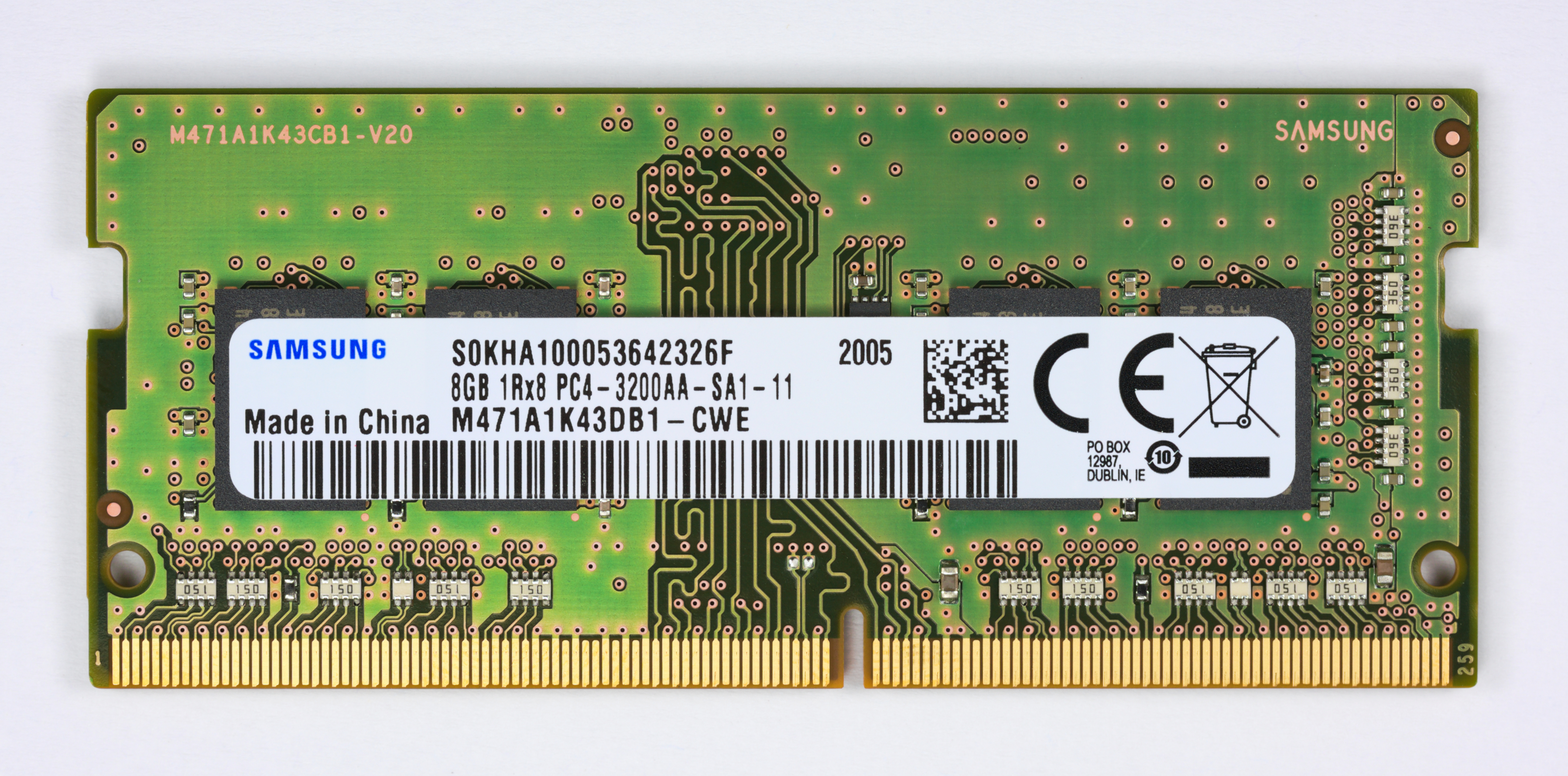
The real bottleneck isn’t just supply—it’s demand allocation. AI systems now consume DRAM at unprecedented rates, with standards like LPDDR (once a mobile staple) now critical for NVIDIA’s rack-scale servers. High-bandwidth memory (HBM) and SOCAMM modules are also in high demand for inference workloads, meaning most new capacity will flow to data centers rather than laptops or gaming PCs.
For consumers, the outlook remains tight. While manufacturers are investing heavily, the AI sector’s insatiable appetite for memory means shortages will likely persist for years. Prices may stabilize eventually, but the relief won’t come quickly—and it won’t be evenly distributed.
- Micron’s Boise fab (2 plants): Full output by mid-2027.
- SK hynix’s Yongin fab: Test production begins February–March 2026.
- Samsung’s Pyeongtaek P4: Completion pushed to Q4 2026.
- New York project: No output until 2045.
The question isn’t whether production will rise—it’s whether it will reach the right buyers.