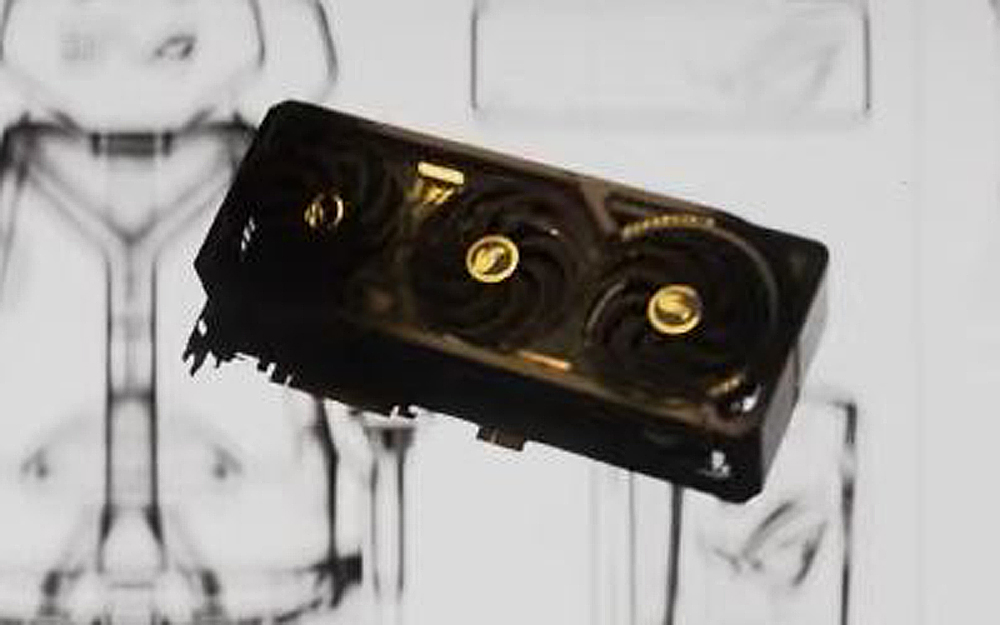
The M5 MacBook Pro is marketed as a rugged machine, but a recent experiment shows that not every part can withstand extreme heat without consequence. When a user tried to apply a custom skin using a hair dryer, several keys melted, leaving a permanent burn mark on the keyboard. The incident underscores the difference between advertised durability and real-world thermal limits.
Unlike previous generations, which could handle brief bursts of high heat, the M5’s design prioritizes efficiency over raw heat resistance. The logic board, while robust, is surrounded by components that react differently to prolonged exposure. This means that while the aluminum unibody remains cool under load, internal parts like the keyboard flex circuit can degrade if subjected to external heat sources.

- Heat tolerance varies: The M5’s thermal design is optimized for active cooling but not for external heat sources. A hair dryer, even on low setting, can push temperatures beyond what the keyboard flex circuit is designed to handle.
- No immediate failure: The laptop itself did not shut down or suffer internal damage, but the melted keys and burn mark are permanent. This suggests that while the system can recover from thermal stress, certain components are not built for high-duration heat exposure.
- Workaround exists: Users who want custom skins should opt for low-heat methods like adhesive sprays or pre-cut films. Avoiding direct heat sources entirely is the safest approach, though it may not be as convenient for some applications.
The incident also raises questions about Apple’s durability claims. While the M5 MacBook Pro excels in benchmarks and thermal performance under normal workloads, real-world durability testing shows that external factors can still compromise its build quality. This is a reminder that even high-end hardware has limits, especially when pushed beyond its intended use case.