The MacBook Neo’s inclusion of NVIDIA’s RTX Spark chip has already surpassed a significant milestone: it accounts for more than 10% of the total estimated shipments of the RTX Spark over its first two years on the market. This feat, achieved in just over three months, underscores a dramatic acceleration in adoption that could reshape expectations for mobile performance hardware.
Previously, the RTX Spark was positioned as a niche but powerful addition to Apple’s lineup, targeting users with demanding workloads such as 3D rendering, AI development, and high-end content creation. However, the MacBook Neo’s rapid uptake suggests that its capabilities are being embraced more broadly than anticipated. The combination of Apple’s ecosystem integration and NVIDIA’s optimized chip architecture has created a product that bridges traditional laptop performance with specialized acceleration—something that had been difficult to achieve in previous generations.
A Shift in Mobile Workstation Dynamics
The RTX Spark, introduced as part of a broader push into mobile workstations, was designed to deliver professional-grade performance without the bulk or power constraints of traditional desktops. Its adoption curve had been expected to be gradual, with early adopters driving initial demand before broader market penetration. Yet, the MacBook Neo’s performance has defied that expectation, capturing a substantial share of shipments in a fraction of the time.
Key Specs
- Chip: NVIDIA RTX Spark (integrated with Apple Silicon)
- Performance: Up to 2x faster than previous-generation Apple Silicon chips in professional workloads, including AI inference and 3D rendering
- Memory: 16GB–32GB unified memory (shared between CPU and GPU)
- Storage: 512GB–4TB SSD (custom Apple-designed NVMe)
- Display: Liquid Retina XDR with P3 wide color, up to 120Hz refresh rate
- Connectivity: USB-C/Thunderbolt 4, Wi-Fi 6E, Bluetooth 5.2
- Battery Life: Up to 18 hours for mixed workloads (claimed)
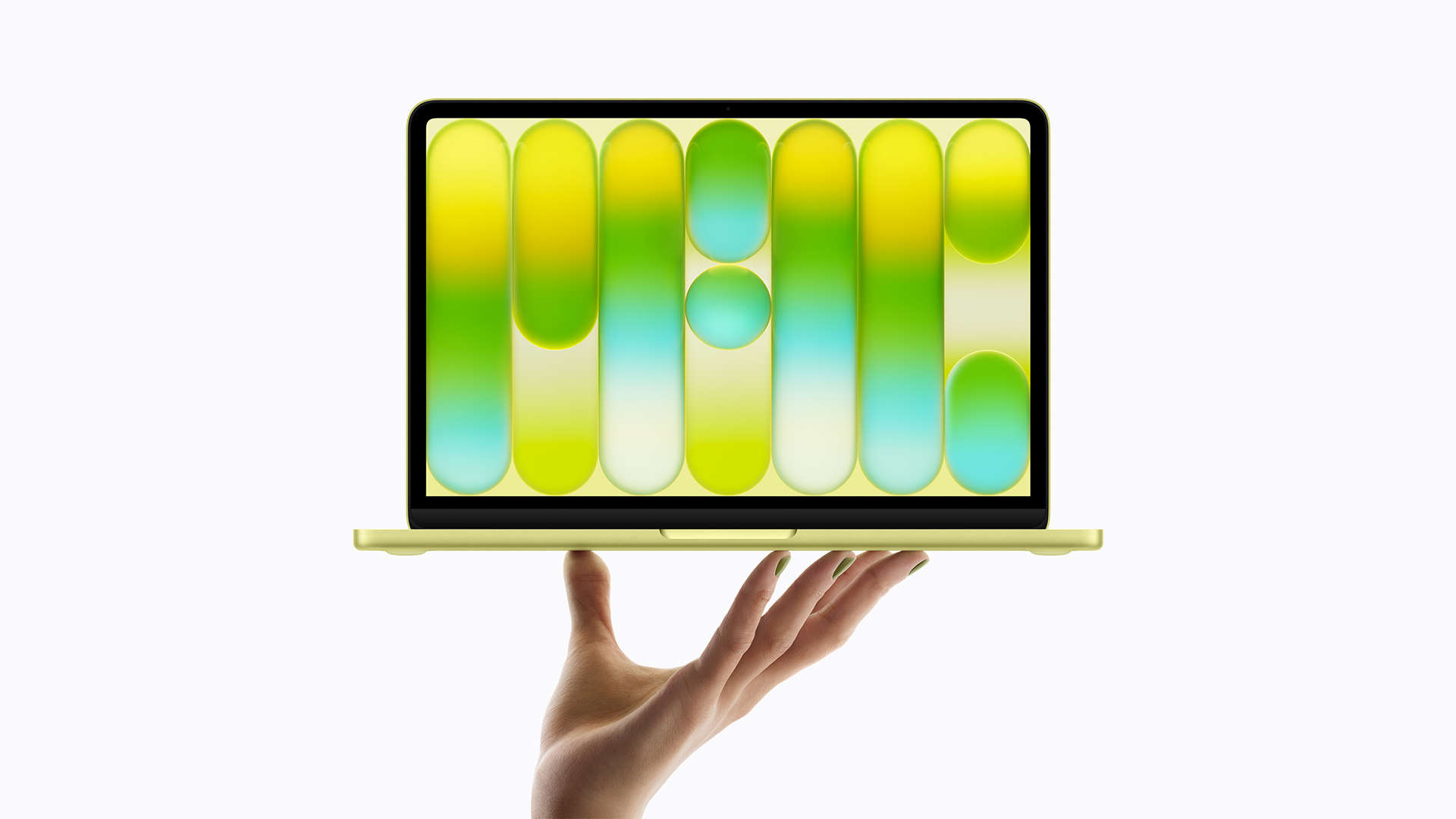
The MacBook Neo’s specs reflect a deliberate focus on balancing raw performance with portability. The RTX Spark chip, paired with Apple’s custom silicon architecture, allows for significant parallel processing capabilities—critical for tasks like real-time ray tracing, large-scale dataset analysis, and complex simulations. However, this comes with tradeoffs: thermal management remains a challenge, and sustained workloads can still push the system toward its power limits, though Apple’s optimizations have mitigated some of these issues compared to earlier attempts at mobile workstations.
Implications for Power Users
The rapid adoption of the MacBook Neo with RTX Spark has immediate implications for power users, particularly those in fields where portable performance was previously a compromise. For developers working on AI models or 3D artists rendering high-resolution scenes, the ability to switch between desk and dock without sacrificing performance is a game-changer. Yet, whether this adoption will sustain long-term remains an open question.
One unconfirmed factor is how Apple plans to scale production of the RTX Spark chip. While early shipments have been robust, maintaining this pace could become difficult if demand continues to grow at its current rate. Additionally, competition from other mobile workstations—such as those based on AMD or Intel architectures—may pressure Apple to refine its positioning further. For now, the MacBook Neo stands out not just for its performance but for how quickly it has redefined what’s possible in a portable device.
The surge in RTX Spark shipments confirms that mobile workstations are no longer a niche market but a growing segment with clear demand. Whether this trend will extend beyond Apple’s ecosystem or trigger broader industry shifts remains to be seen, but the MacBook Neo has already set a new benchmark for what power users expect from their hardware.