The MacBook Neo is no longer just a laptop—it’s become a supply chain pivot point for small businesses. What started as a repair-driven purchase has evolved into an impulse buy, with buyers frequently opting for the device itself rather than individual part repairs. The shift isn’t just about cost; it’s about how businesses balance platform lock-in and long-term investment.
What’s confirmed is clear: the MacBook Neo now dominates small business spending on Apple hardware. Pricing has dropped, but availability remains tight, forcing buyers to decide between waiting for stock or committing to a new device. The tradeoff? A higher upfront cost that can strain budgets, especially when repairs are cheaper than replacements.

Feature vs. Caveat
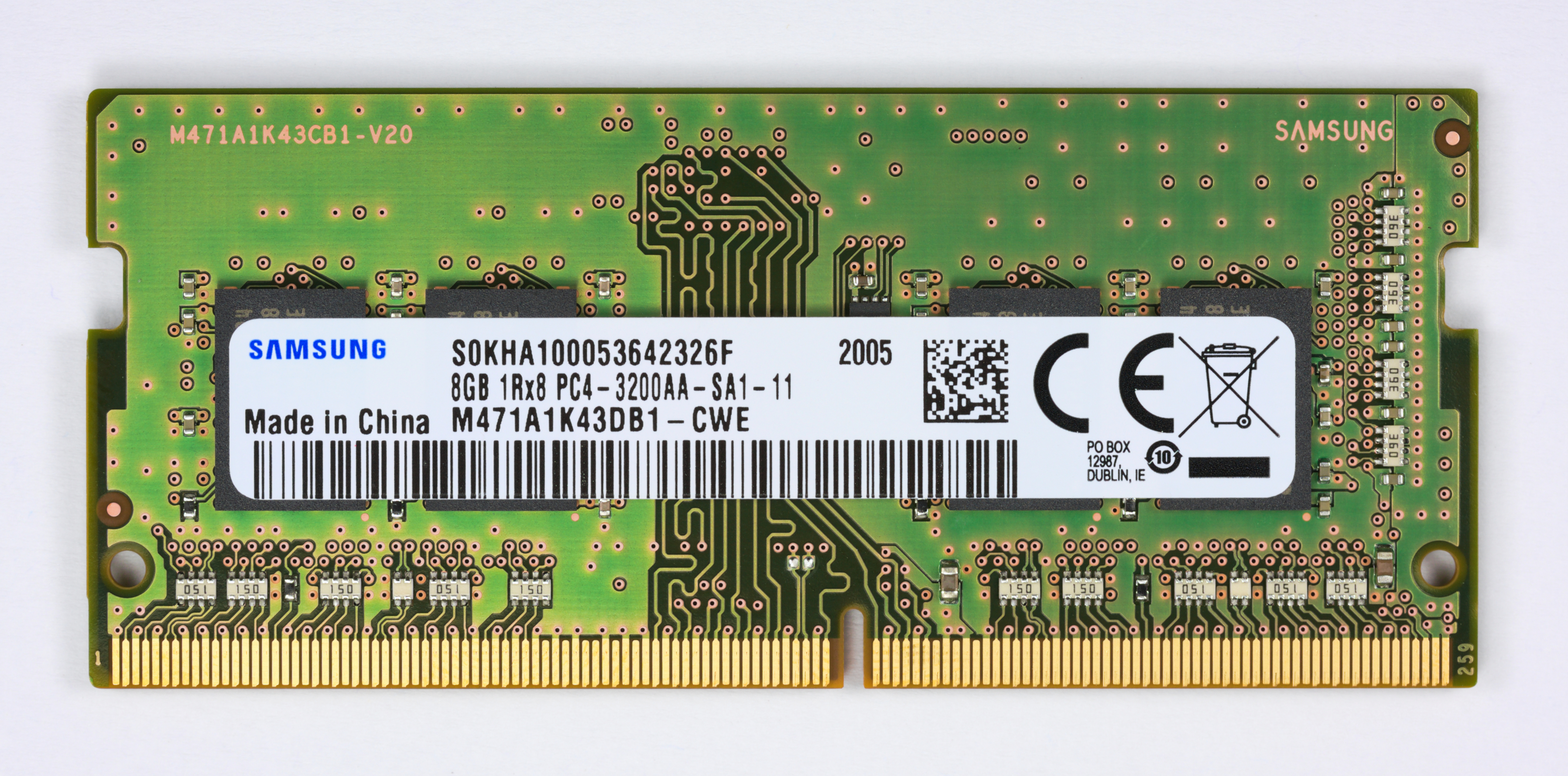
The MacBook Neo’s appeal lies in its performance and ecosystem integration. It offers 8 GB of unified memory, a 13-inch Retina display with True Tone, and the M1 chip running at up to 3.5 GHz. These specs are designed for productivity, but the caveat is platform lock-in. Small businesses that rely on cross-platform tools may find themselves constrained by Apple’s software stack.
Reality Check
The reality is that availability remains unpredictable. While pricing has adjusted, supply chain bottlenecks mean buyers can’t always secure the device quickly. This creates a dilemma: do you wait for stock and risk missing out, or commit now and accept higher costs?
The endgame? Small businesses are recalculating their Apple investments. The MacBook Neo is now a strategic purchase, not just an impulse buy. Watch pricing trends—supply chain shifts can change the equation overnight.