The MacBook Neo 2 is poised to refine the affordable MacBook line with notable upgrades, yet it will forgo one feature that has become standard in many Chromebooks: a touchscreen. This omission, while not likely to deter all users, raises questions about Apple's priorities and the evolving expectations of portable computing.
The MacBook Neo's original release already faced criticism for its underpowered specifications, particularly with 12GB of LPDDR5X RAM paired to an A19 Pro chip. The successor aims to rectify this by likely offering more robust performance, potentially including a Force Touch trackpad and improved SSD speeds. However, the lack of a touchscreen could leave it trailing behind competitors in one critical area, especially for users who rely on interactive displays.
Chromebooks, which often cater to educational and business markets, have embraced touchscreens as a standard feature in about 50% of their models. For Apple, adding a touchscreen would require not only a redesign of the hinge mechanism but also significant investment in production, potentially increasing costs without a clear return on investment. The current MacBook Neo's design is optimized for trackpad and keyboard interactions, making it less suitable for touch input, which could further justify this omission.
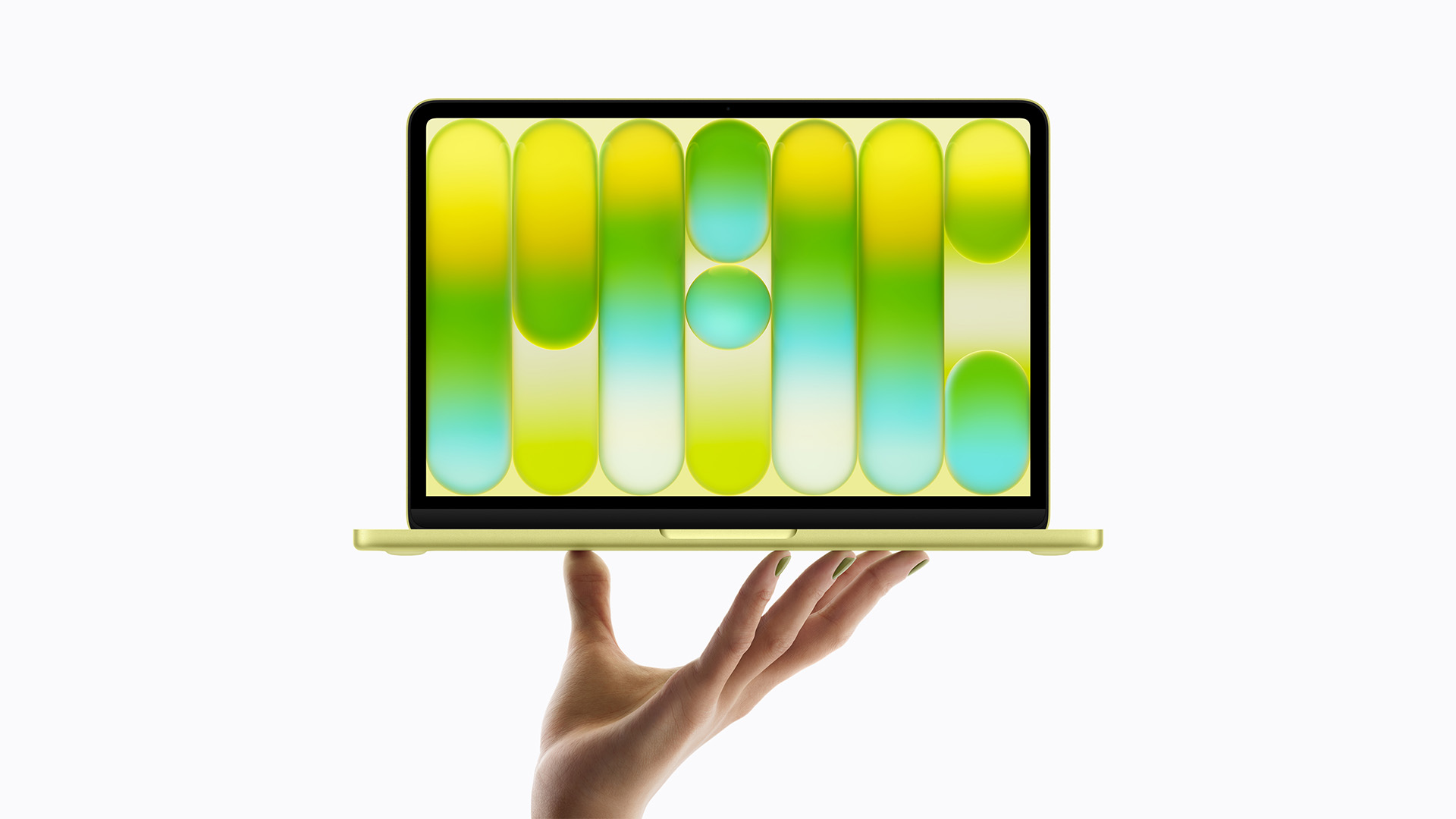
Despite this, the MacBook Neo 2 is expected to bring meaningful improvements elsewhere. A revamped SSD could significantly enhance performance, while additional memory options—such as 12GB of LPDDR5X—would better serve power users and multitaskers. Keyboard lighting and a Force Touch trackpad are also rumored, which would elevate the user experience for those who prioritize comfort and precision.
For now, the MacBook Neo remains available starting at $599 for the 256GB model and $699 for the 512GB version. While it may not yet meet the demands of all users, especially in terms of memory and storage, its affordability makes it a compelling option for those seeking a balance between cost and functionality.
The MacBook Neo 2 could further solidify Apple's position in the budget portable market if it delivers on its rumored upgrades. However, the absence of a touchscreen may leave some users wondering whether Apple is missing an opportunity to align more closely with industry trends, even if it comes at a cost.