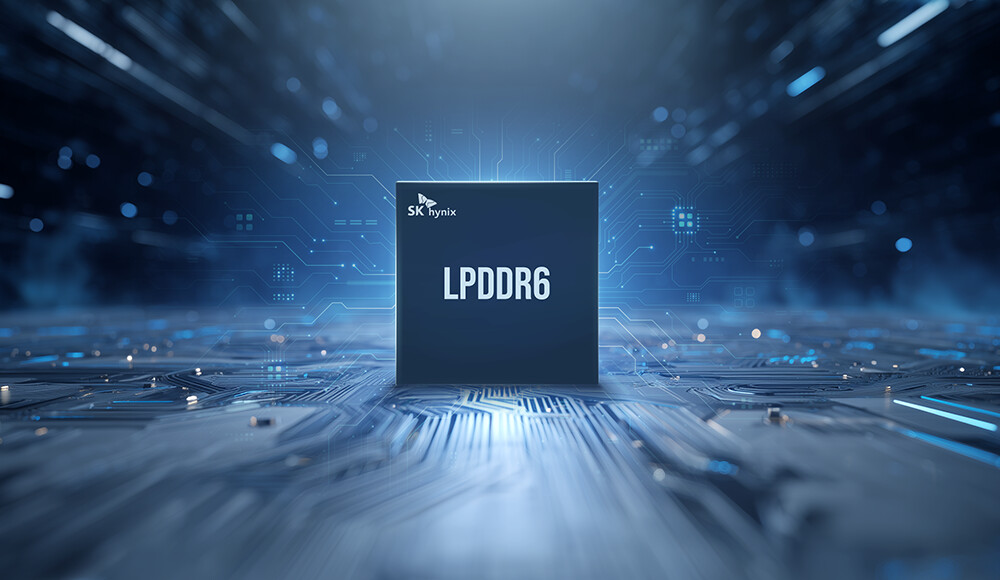
processors are about to get a major efficiency boost. SK hynix has developed LPDDR6 memory modules with a capacity of 16 GB on the sixth-generation 10 nm process node, codenamed '1c'. These modules are expected to hit the market in the second half of this year after mass production begins in the first half.
What sets these apart is not just the capacity or the process node, but the speed: up to 14.4 Gbps. That figure exceeds the initial JEDEC specification for LPDDR6 and marks a clear departure from previous generations. For context, the top speed for LPDDR5X was 10.7 Gbps—a number this new memory surpasses by roughly one-third.
This isn't just a numbers game. The architecture behind it is designed to optimize power consumption dynamically. A sub-channel structure allows memory channels to operate selectively, engaging only the necessary data paths. This means less wasted energy when not all channels are in use—a feature that could be particularly valuable for devices running on battery life.
Dynamic Voltage and Frequency Scaling (DVFS) further refines this efficiency. The system adjusts voltage and frequency curves on the fly, scaling up for demanding tasks like gaming to maximize bandwidth while dialing back during standard applications to conserve power. This dual-mode operation could extend battery life without sacrificing performance when it's needed most.
The implications for mobile devices are clear. Faster memory with better power management aligns with the growing demand for more capable yet efficient hardware, especially in AI-driven workloads and high-resolution displays. For small businesses relying on mobile or embedded systems, this could translate to longer operational times between charges and smoother performance under load.
One question remains: how widely will these modules be adopted? While SK hynix's roadmap suggests a push toward higher speeds, the industry has historically seen a lag between specification announcements and real-world integration. For now, the focus is on delivering what was promised—14.4 Gbps LPDDR6 memory that redefines the balance between speed and power efficiency.