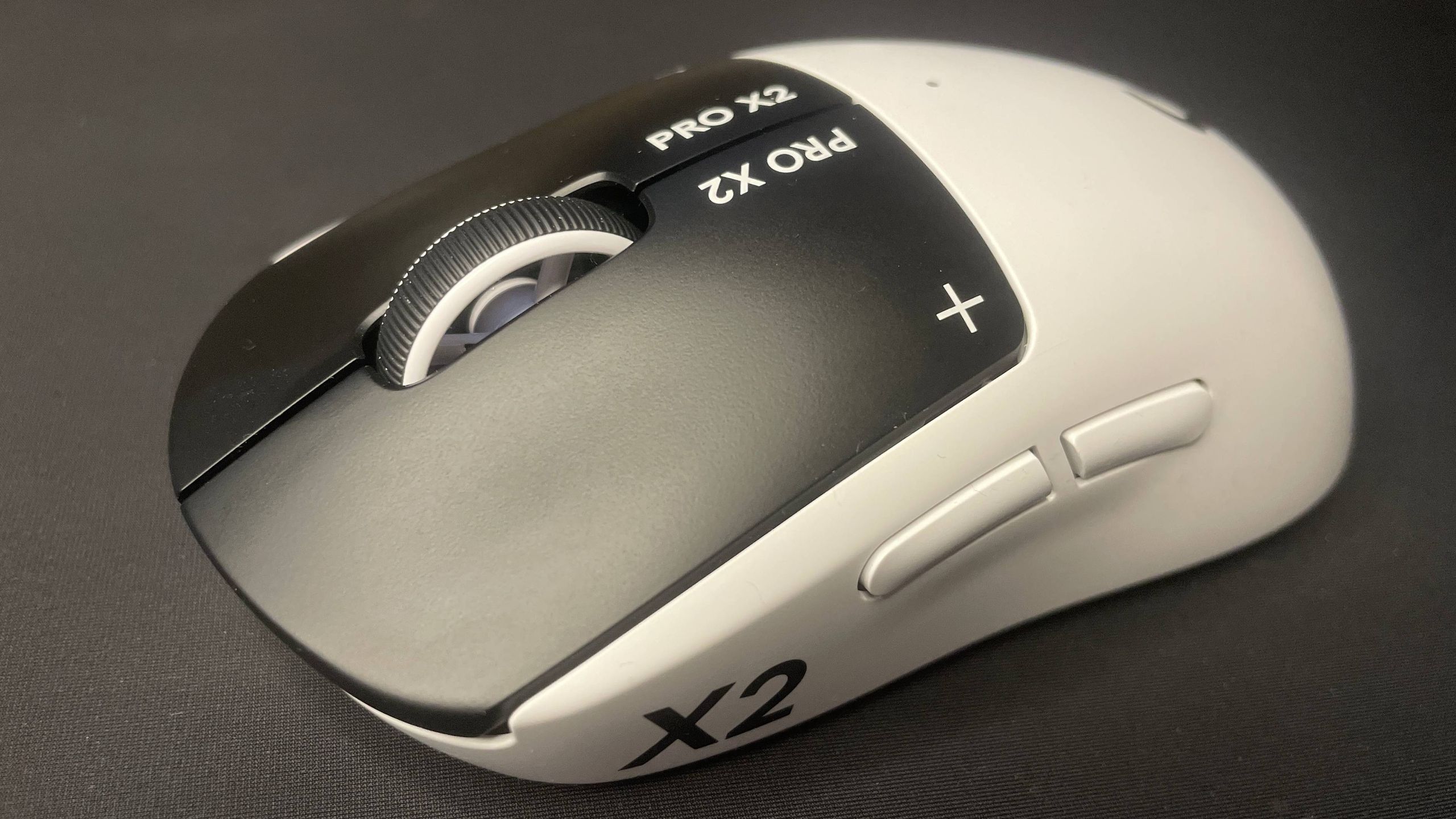
Logitech has just released what may be the most significant innovation in gaming mice since the introduction of wireless sensors. The G Pro X2 Superstrike replaces traditional mechanical switches with a Haptic Inductive Trigger System (HITS), blending inductive sensing with haptic feedback to redefine how clicks register. This isn’t just an incremental upgrade—it’s a fundamental shift in input latency, potentially leveling the playing field for competitive shooters.
The system works by detecting magnetic field changes as a button is pressed, allowing actuation distances as low as 0.065mm (one-tenth the travel of most mechanical switches). Combined with rapid trigger, which enables follow-up clicks mid-press, Logitech claims this reduces the gap between pro and casual gamers from 14ms to just 3ms in click response. For context, that’s the difference between a headshot and a near-miss in high-speed FPS games.
Key specs
- Switches: Haptic Inductive Trigger System (HITS) with 10 actuation levels (0.065mm–0.65mm)
- Buttons: 5 (LMB/RMB with HITS, side buttons, scroll wheel)
- Sensor: Hero 25K (max 44,000 DPI)
- Connectivity: Lightspeed Wireless (2.4 GHz, up to 8,000 Hz polling) / USB-C wired
- Weight: 59–61g (with/without puck)
- Battery: 90 hours at 1kHz (FPS gaming load)
- Haptics: Adjustable linear resonance actuators (LMB/RMB)
- Included: Dongle, USB-C cable, grip stickers, PTFE puck, cleaning cloth
- Price: $180
The weight penalty—59–61g—is the most noticeable tradeoff. While lighter mice like the Corsair Sabre V2 Pro (36g) dominate the ultralight category, the Superstrike’s added mass accommodates the HITS system’s motors and electronics. Logitech argues the performance gains outweigh the extra grams, and early tests suggest pros are already defaulting to the lowest actuation setting.
For admins and teams
IT departments managing esports setups will need to account for two key factors: software dependency and power efficiency. Unlike most gaming mice, the Superstrike requires Logitech G Hub running in the background to retain settings—closing the app resets haptics and actuation to defaults. This isn’t ideal for locked-down environments, though Logitech has confirmed enterprise licensing options are in development.
Power draw is surprisingly modest for a mouse packing dual haptic motors. The Hero 25K sensor and optimized firmware keep battery life at 90 hours under typical FPS loads, comparable to the Superlight 2. However, rapid trigger and high haptic intensity will drain capacity faster, so teams should adjust profiles accordingly.
Who benefits?
- Competitive shooters (CS2, Valorant, Overwatch 2): The 0.065mm actuation and rapid trigger directly address the final milliseconds of reaction time, offering a tangible edge in 1v1 scenarios.
- MOBA/RTS players: Games like League of Legends or StarCraft II benefit from the reduced fatigue of light clicks during spam actions (e.g., worker management).
- Casual gamers: The haptic feedback, while not as tactile as mechanical clicks, provides a quieter, more adjustable alternative—ideal for shared spaces or users sensitive to click noise.
The Superstrike isn’t a drop-in replacement for every workflow. Fingertip grippers may struggle with the mouse’s ergonomics, and tracking-heavy games (e.g., Fortnite) see minimal upside. But for teams prioritizing input precision over weight, this could redefine benchmarks.
Availability begins immediately, with the mouse shipping globally. Whether other manufacturers will adopt HITS remains unclear, but Logitech’s track record suggests this won’t be the last we see of inductive triggers in peripherals.