Linux gaming has long been a fragmented ecosystem—until now. The Open Gaming Collective (OGC), a newly formed alliance of industry players, is aiming to unify the Linux gaming experience by developing shared software components that could become the de facto standard for distributions. Backed by major names like ASUS’s Universal Blue, Bazzite, ChimeraOS, Nobara, Playtron, Fyra Labs, PikaOS, and ShadowBlip, the initiative seeks to address compatibility gaps and performance inconsistencies that have historically hindered Linux’s adoption among gamers.
The collective’s approach diverges from past efforts by prioritizing upstream contributions over isolated forks. Instead of maintaining separate codebases for each distribution, OGC will focus on refining core layers—such as a gaming-optimized kernel and an enhanced version of Gamescope—to ensure broader hardware support and smoother gameplay. The goal is to create a foundation that benefits all Linux users, not just those on niche distributions.
This move echoes Valve’s decades-long push with SteamOS and Proton, which transformed Linux from a niche platform into a viable alternative for millions of gamers. While OGC lacks Valve’s resources, its membership includes developers deeply embedded in the Linux gaming community, offering a chance to refine what works and eliminate redundancies.
The Technical Backbone: What OGC Plans to Build
At its core, the collective is targeting three critical areas
- OGC Kernel: A specialized Linux kernel tailored for gaming, optimized for low latency and hardware compatibility.
- Gamescope Enhancements: A downstream fork of the compositor aimed at expanding support for monitors, GPUs, and input devices beyond what the upstream version offers.
- Upstream-First Philosophy: A commitment to pushing improvements back into the mainline Linux kernel and tooling, ensuring benefits aren’t siloed within a single distribution.
The collective’s success hinges on collaboration. Unlike proprietary solutions, OGC’s work will be open-source, allowing anyone to audit, modify, or contribute. This transparency could accelerate adoption, as developers and hardware vendors gain confidence in Linux’s gaming capabilities.
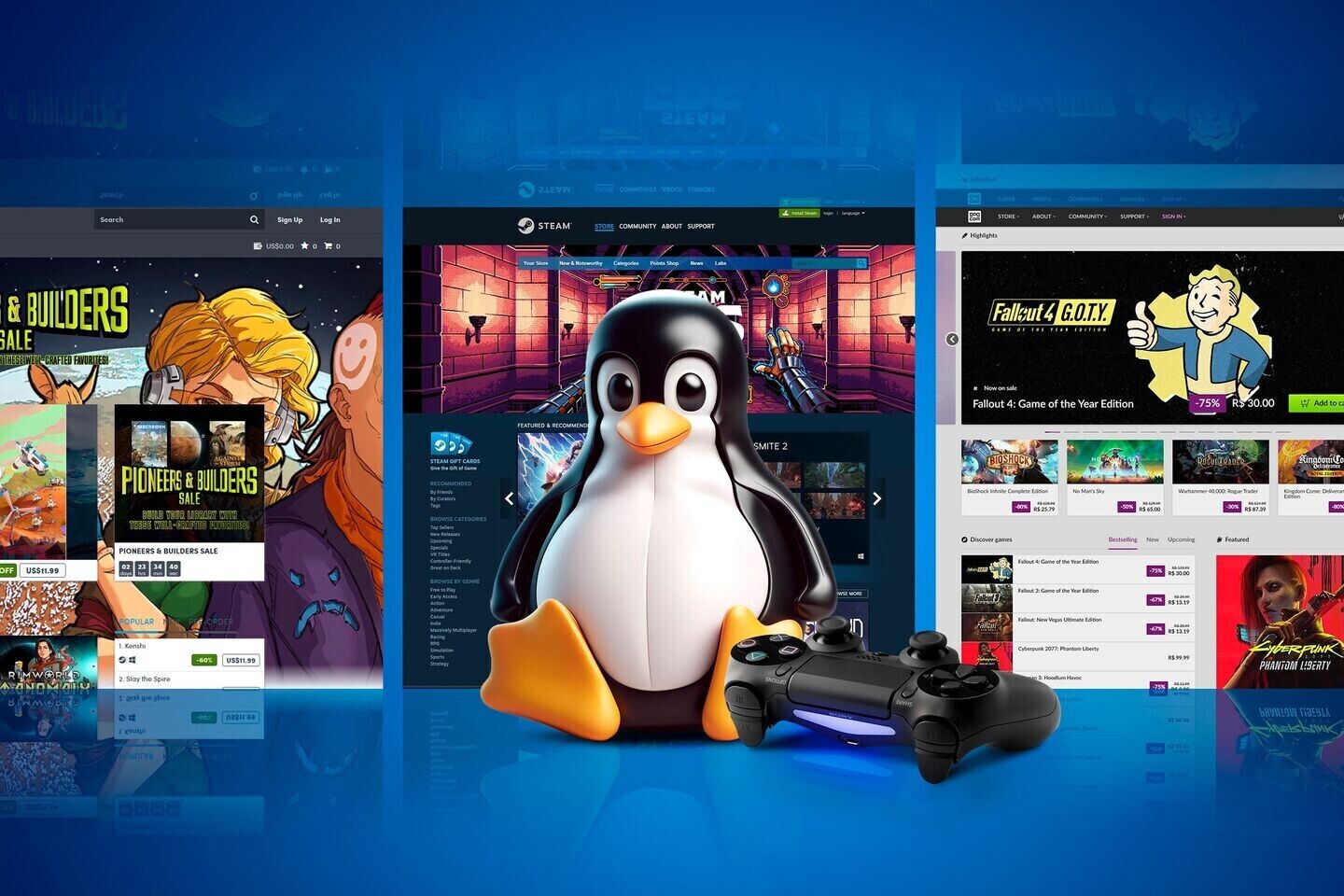
A Competitive Edge for Linux Gaming
For years, Linux gaming relied on Valve’s Proton layer to bridge compatibility gaps, but OGC represents a shift toward a more distributed, community-driven approach. While Proton remains unmatched in its breadth of support, OGC’s focus on foundational improvements—such as kernel-level optimizations—could address long-standing pain points like input lag and multi-monitor setups.
manufacturers stand to benefit as well. A standardized gaming stack simplifies driver development and reduces fragmentation, making it easier for companies like ASUS to certify Linux distributions for their hardware. Early adopters of OGC’s work may see smoother performance out of the box, particularly on newer GPUs and displays.
Yet challenges remain. Linux gaming still trails Windows in exclusive titles and developer tooling. OGC’s efforts won’t overnight solve these issues, but by improving the underlying infrastructure, the collective could make Linux a more attractive platform for indie developers and modders alike.
The first tangible results from OGC are expected in the coming months, with the collective emphasizing incremental progress over rapid, untested releases. If successful, this could mark a turning point for Linux gaming—one where compatibility isn’t an afterthought, but a priority built into the system itself.