Lenovo's latest Chromebook announcements signal a deliberate shift toward AI-driven learning solutions, reflecting broader industry trends. The company is moving beyond incremental hardware updates to focus on intelligent, managed approaches to educational technology. This strategy could redefine how schools adopt and utilize classroom devices, particularly in environments where scalability and long-term cost efficiency are paramount.
The new lineup includes models like the Chromebook Plus i 15, which sets performance benchmarks with its 2K IPS display and robust battery life, alongside more affordable options such as the Chromebook 100e Gen 5. These devices are designed to cater to diverse educational needs—from traditional classroom use to mobile learning scenarios—while maintaining a strong focus on durability and repairability.
Performance and Connectivity: Balancing Needs
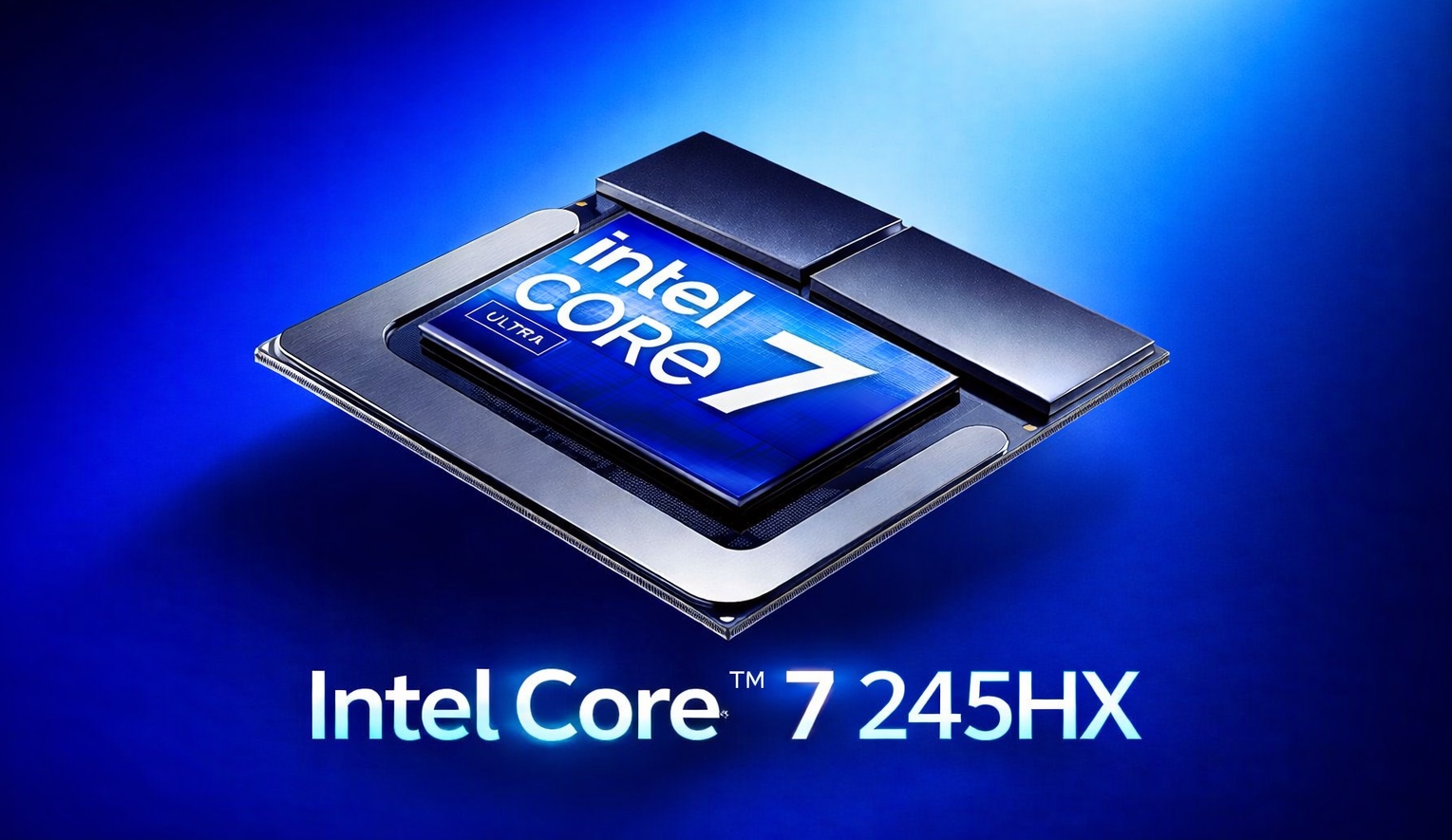
The specifications of these Chromebooks highlight Lenovo's attention to both performance and practicality. The Chromebook Plus i 15, for example, features an Intel Core i3 N355 processor paired with a 2K IPS display, ensuring high-resolution visuals without compromising on power efficiency. Meanwhile, the Chromebook 100e Gen 5 prioritizes connectivity with Wi-Fi 7 support and optional 4G LTE, addressing the growing demand for seamless, high-speed network access in schools.
Memory and storage details remain consistent with industry standards, likely featuring 8GB or 16GB LPDDR5x RAM and 128GB to 512GB eMMC or SSD storage. Battery life varies across models, with the Chromebook 500e 2-in-1 Gen 5 offering up to 16 hours of unplugged productivity—a critical factor for devices intended for all-day classroom use.
Industry Impact: AI and Device Management
The integration of Google AI features into these Chromebooks represents a strategic move that could influence how educators approach teaching and learning. Lenovo's focus on AI-driven tools—such as content creation assistance and research organization—aims to reduce the technical overhead for both students and teachers, allowing them to concentrate more on educational outcomes rather than device management.
Equally significant is Lenovo's push toward streamlined fleet management through its Lenovo Device Orchestration (LDO) platform. This system provides IT teams with a centralized way to monitor device health, security, and performance across entire school districts. Such capabilities are increasingly becoming non-negotiable for educational institutions, where managing hundreds or thousands of devices can be as challenging as the learning process itself.

Durability and Long-Term Value
Durability remains a cornerstone of Lenovo's educational product strategy, with these new Chromebooks undergoing rigorous MIL-SPEC testing to ensure resistance against drops, spills, and daily wear. Features like customer-replaceable units (CRUs) further extend the lifespan of devices, which is particularly valuable for schools operating on tight budgets.
The inclusion of dual USB-C ports also reflects a practical approach to device design, allowing for easier integration with peripherals such as styluses or docking stations—a necessity in modern classrooms where flexibility is key. This focus on both robustness and usability could set a new standard for Chromebooks in the education sector.
CES 2026: A Glimpse into the Future
Lenovo's educational technology strategy is part of a larger narrative unfolding at CES 2026, where the company is showcasing its vision for the future of learning. Events like FETC and BETT serve as platforms to engage with global educators, positioning Lenovo not just as a hardware provider but as a partner in shaping next-generation educational tools.
The question now is whether competitors will respond by matching this balance between performance, durability, and AI integration—or if Lenovo will further solidify its lead in the Chromebook market. With the new lineup expected to launch in the first half of 2026, schools and districts will have a clearer picture of how these devices can fit into their long-term technology plans.
Conclusion: A Strategic Investment with Long-Term Potential
Lenovo's latest Chromebook lineup is more than just another hardware release; it represents a strategic investment in the future of education. By combining robust specifications, AI-driven learning tools, and advanced device management capabilities, Lenovo is addressing both immediate needs and long-term challenges in the classroom.
The success of this strategy will depend on how well these devices integrate into existing educational workflows and whether they can deliver measurable improvements in student outcomes. If they do, it could accelerate a broader shift toward AI-enabled, managed learning environments—one that Lenovo is poised to lead.