Larian Studios Reconsiders Generative AI Strategy Following Industry Backlash
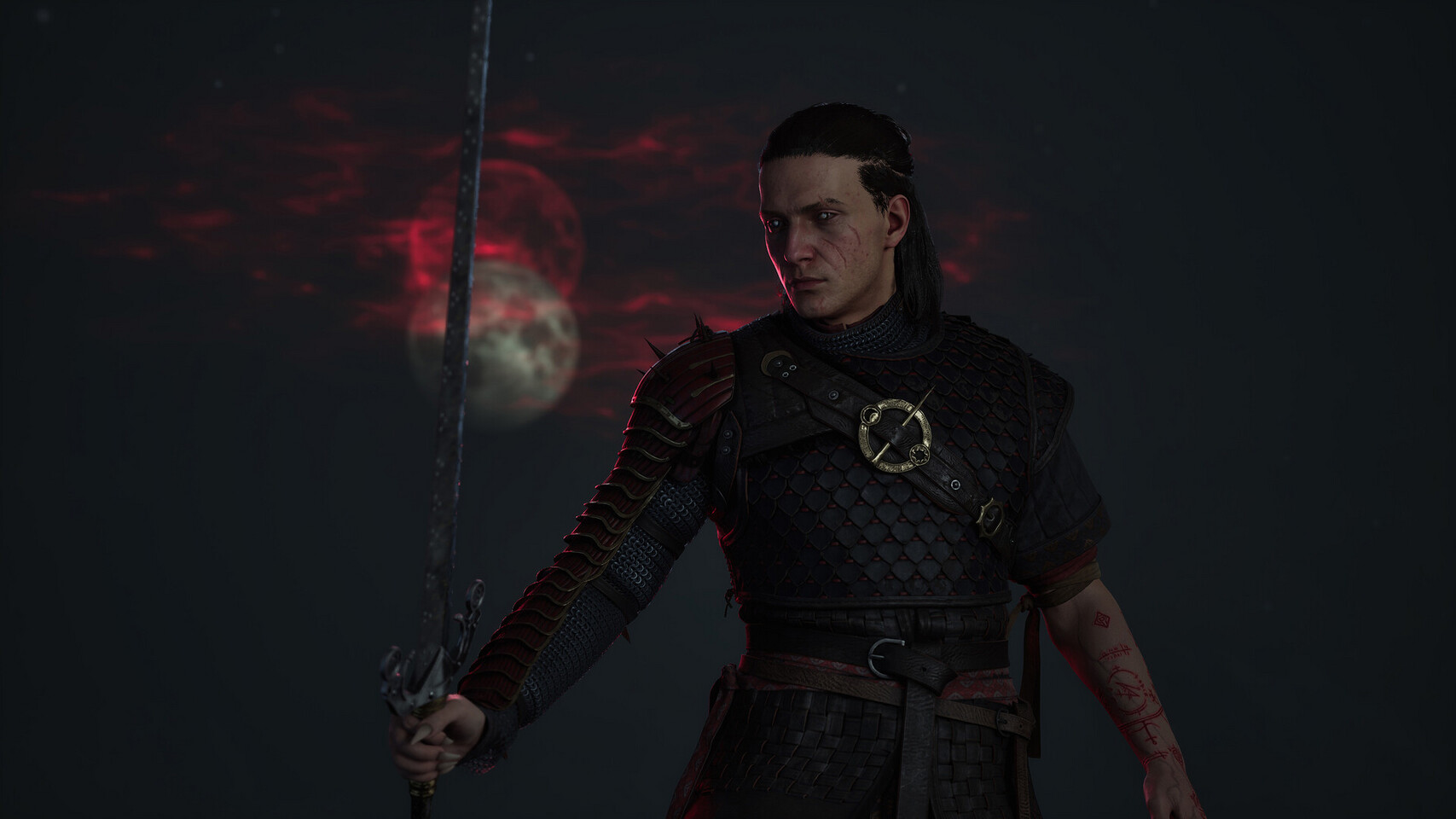
The announcement of Divinity: Legends Awakened at The Game Awards 2025 quickly became the focal point of a heated debate within the gaming industry. This controversy stemmed from Larian Studios’ initial exploration and implementation of generative artificial intelligence (GenAI) tools in its development processes, specifically surrounding concept art creation.
Early statements made by Chief Executive Officer Swen Vincke sparked considerable concern among players and fellow developers. The studio's willingness to experiment with GenAI raised fundamental questions about artistic integrity, creative control, and the potential impact on the quality of their upcoming title. This initial announcement prompted a swift and widespread response, highlighting a deep-seated apprehension regarding the use of AI in traditionally human-driven creative endeavors.
The Initial Controversy: A Rapid Response
Following the initial remarks, Larian Studios issued a more measured statement attempting to contextualize their experimentation. However, the concerns remained prevalent within the gaming community and beyond. The rapid dissemination of criticism demonstrated a strong sentiment against the use of GenAI in roles traditionally held by human artists, particularly when it comes to foundational visual elements like concept art.
The core of the debate centered on the perceived risks associated with relying on algorithms to generate creative assets. Critics argued that AI-generated content could lack the nuanced storytelling and artistic vision inherent in human-created artwork, potentially leading to a homogenization of game aesthetics and diminishing the unique identity of Divinity: Legends Awakened.
Shifting Strategy: Concept Art Excluded
In response to this feedback, Larian Studios has announced a definitive change in strategy. The studio will no longer employ GenAI tools for the creation of concept art within the development of Divinity: Legends Awakened. This decision represents a clear acknowledgement of the community’s concerns and a commitment to prioritizing human artistic input in shaping the game's visual landscape.
This strategic shift doesn’t signal a complete abandonment of GenAI experimentation, however. Larian intends to continue exploring its potential application in other areas of development, focusing on tasks where AI can augment—rather than replace—human creativity. The company's stated goal is to leverage the technology to streamline workflows and improve efficiency without compromising artistic quality.
Targeted Applications: Efficiency and Workflow Enhancement
Larian’s revised approach suggests a deliberate focus on utilizing GenAI for specific, targeted applications. This could include tasks such as
- Automated Asset Variation: Generating slight variations of existing assets to expedite the creation of numerous iterations.
- Procedural Content Generation (PCG) Assistance: Utilizing AI to generate initial drafts or building blocks for complex environments, which are then refined by human artists.
- Testing and Iteration Support: Employing GenAI to rapidly prototype different design choices and assess their potential impact.
Crucially, Larian emphasizes that these applications will be carefully managed and overseen by human teams, ensuring artistic direction and creative control remain firmly in the hands of experienced developers.
The Broader Implications: A Conversation for the Industry
Larian Studios’ decision has ignited a broader conversation within the game development industry about the ethical and practical considerations surrounding the use of GenAI. The incident highlights the importance of transparency, open communication, and collaborative dialogue between developers, players, and the wider creative community.
Several key questions remain unanswered: How will AI impact job roles within studios? What safeguards can be implemented to prevent homogenization of game aesthetics? And ultimately, how can we ensure that AI serves as a tool for creativity rather than a substitute for it?
Looking Ahead: Human-AI Collaboration
The future of AI in game development likely lies in human-AI collaboration. By strategically integrating GenAI tools into specific workflows while maintaining robust artistic oversight, studios like Larian can potentially unlock new levels of efficiency and innovation. However, careful consideration must be given to the potential pitfalls and a commitment to prioritizing creative vision remains paramount.
Divinity: Legends Awakened’s development will undoubtedly serve as a case study for other studios exploring GenAI, demonstrating the importance of listening to community feedback and adapting strategies accordingly. The ongoing conversation surrounding AI in game creation is shaping the future of the industry—one where human creativity and technological innovation can coexist harmoniously.