KRAFTON’s AI expansion enters a new phase. The company has named Kangwook Lee, previously Head of AI, as its new Chief AI Officer—a role that reflects a deeper commitment to embedding artificial intelligence across gaming and beyond. Lee’s promotion, following years of leadership in KRAFTON’s AI division, signals a shift from experimental integration to large-scale implementation.
From NPCs to Developer Tools: AI’s Role in KRAFTON’s Pipeline
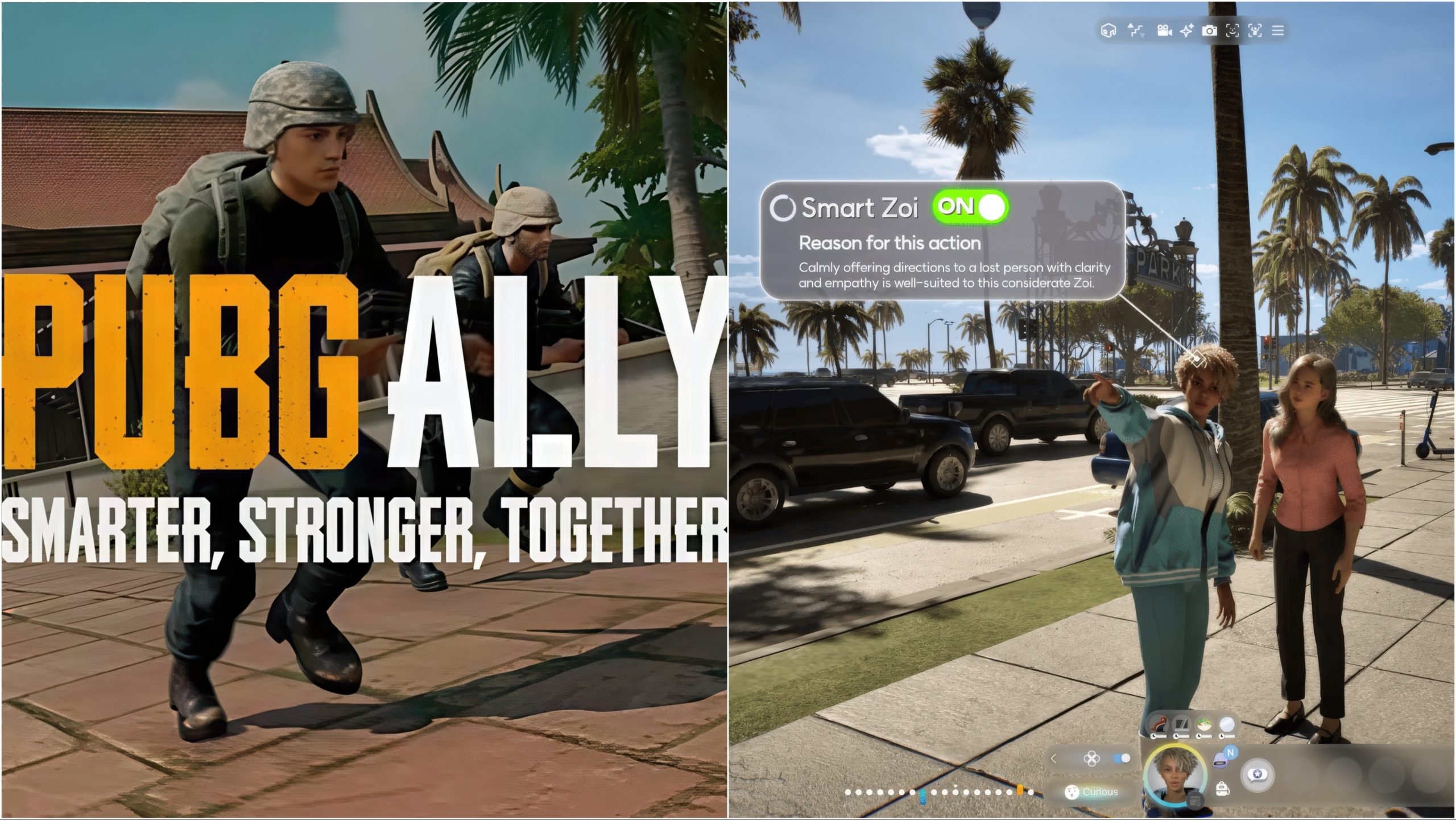
The appointment comes as KRAFTON rolls out AI-driven features that redefine player interaction. At the forefront is the Co-Playable Character (CPC) system, developed in collaboration with NVIDIA. These AI companions—already live in inZoi*—adapt dynamically to player actions, offering real-time support in strategy, combat, and even emotional engagement. The technology will soon expand to *PUBG*, where NPC allies will assist with looting, revive fallen teammates, and adjust tactics mid-game using on-device small language models (SLMs). Voice support in English, Korean, and Chinese is already in testing, with early access planned for *PUBG: BATTLEGROUNDS Arcade*.
Beyond gameplay, KRAFTON is leveraging AI to streamline development workflows. Tools designed to automate repetitive tasks—such as asset generation or physics simulations—aim to free up creative teams to focus on storytelling and design. The company emphasizes responsible data handling, ensuring compliance with privacy standards while accelerating production.
Long-Term Bets: Robotics and the Future of Interactive Worlds
KRAFTON’s AI strategy extends far beyond in-game mechanics. Through Ludo Robotics, a newly formed entity with operations in the U.S. and Korea, the company is exploring physical AI and robotics—a field where simulation environments test complex systems before real-world deployment. While still in early stages, this research builds on KRAFTON’s expertise in large-scale virtual worlds, potentially bridging gaming and robotics in unexpected ways.
Yet, the push into AI hasn’t been without controversy. The gaming industry remains divided over AI’s role in development, as seen in debates surrounding *Divinity: Original Sin 4*’s AI-assisted design. KRAFTON’s approach, however, prioritizes human oversight, ensuring AI augments—not replaces—creative control. The company’s bet is on incremental, player-centric integration, where technology enhances immersion without sacrificing artistic vision.
A Balancing Act: Innovation and Industry Pushback
The challenge for KRAFTON lies in balancing ambition with skepticism. While AI-driven NPCs and developer tools promise efficiency and deeper engagement, adoption hinges on player acceptance and technical reliability. Early tests in *PUBG and inZoi will be critical, as they set the precedent for how AI is perceived in competitive and narrative-driven games alike.
Lee’s promotion isn’t just a title change—it’s a declaration of intent. KRAFTON is doubling down on AI as a core pillar of its future, whether in gaming, robotics, or uncharted applications. The question now is whether the industry will follow.