What does a foldable iPhone look like? Not just in terms of design, but in performance and user experience? Apple’s upcoming device is poised to answer that question by setting a new benchmark for what smartphones can achieve when folded. This isn’t merely an incremental upgrade—it’s a fundamental rethinking of how we interact with technology.
Why does this matter now? Because the foldable market has been waiting for Apple to enter, and its arrival could accelerate innovation across the industry. Samsung, currently leading in foldables, will face pressure to innovate faster, while other brands may need to reconsider their strategies if they want to remain competitive.
What’s Under the Fold?
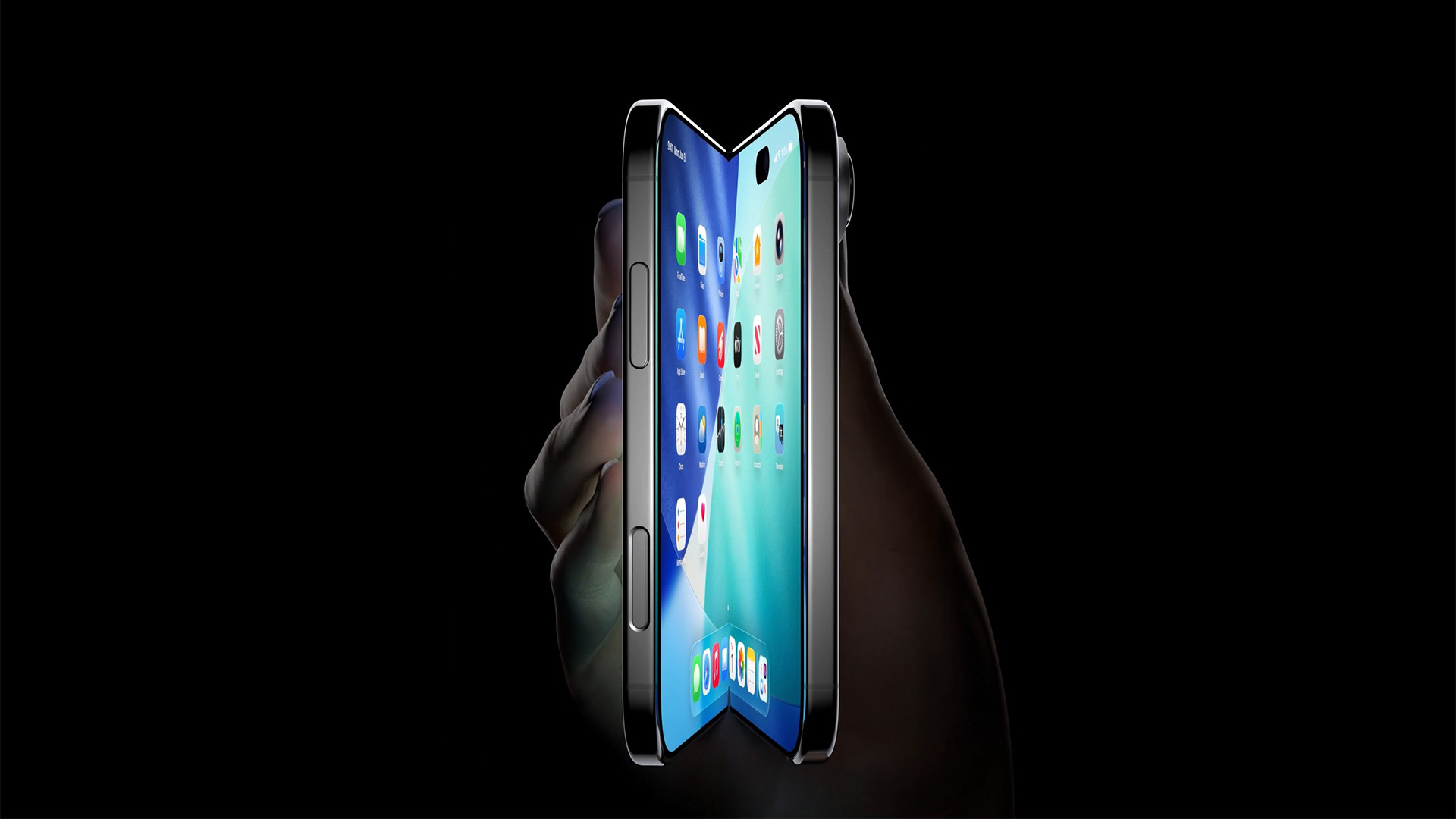
- Display: A 7.8-inch OLED screen that unfolds seamlessly with a 120Hz refresh rate, delivering smoother animations and transitions— thanks to ProMotion technology, which Apple has already perfected in its iPads.
- Chipset: Rumors suggest a custom-designed chip optimized for foldable form factors, likely packing performance comparable to or exceeding the latest A-series processors.
- Memory and Storage: Up to 8GB of RAM, catering to power users who demand fluid multitasking. Storage options start at 128GB, though expandable storage remains unconfirmed.
- Camera System: A dual-lens setup on the rear, promising advancements in computational photography—think better low-light performance and depth sensing without the bulk of traditional smartphone cameras.
The real innovation lies in how this device integrates with Apple’s ecosystem. Developers will see firsthand how software can be optimized for foldable hardware, potentially leading to more intuitive apps and workflows. For users, this means a device that feels both premium and practical—whether folded into a compact pocket-sized phone or unfolded for productivity.
Who Stands to Gain?
- Everyday Users: The larger screen when unfolded makes tasks like video editing or multitasking more efficient, while the folded form factor keeps it portable. However, the premium price tag may limit its appeal unless Apple justifies the cost with features that truly set it apart.
- Professionals and Developers: Those who rely on powerful tools will benefit from seamless hardware-software synergy, potentially making this a go-to device for creative work or coding. The 120Hz display alone could redefine how we perceive responsiveness in smartphones.
- Competitors Like Samsung: Samsung’s dominance in foldables won’t go unchallenged. Apple’s ecosystem and performance will force them to innovate faster, particularly in software optimization—a area where they’ve historically lagged behind iOS.
The challenge for Apple isn’t just technical—it’s about convincing users that a foldable phone is worth the investment. Battery life remains a concern, and the learning curve for new interactions (like gestures or app layouts) could deter some. Yet, if executed well, this device could become the standard-bearer for what a premium smartphone should be.
A Market in Flux
This isn’t just about one device—it’s about Apple redefining an entire category. The foldable iPhone could push other manufacturers to prioritize innovation in areas like display technology, battery efficiency, and software integration. For consumers, this means faster advancements and more choices, but also the risk of being left behind if they don’t adapt.
Will it appeal to everyone? Probably not. But for those who adopt early, it could set the stage for a new era of smartphones—one where flexibility isn’t just a gimmick, but a necessity. The question is no longer if Apple will disrupt the market, but how deeply and lasting its impact will be.