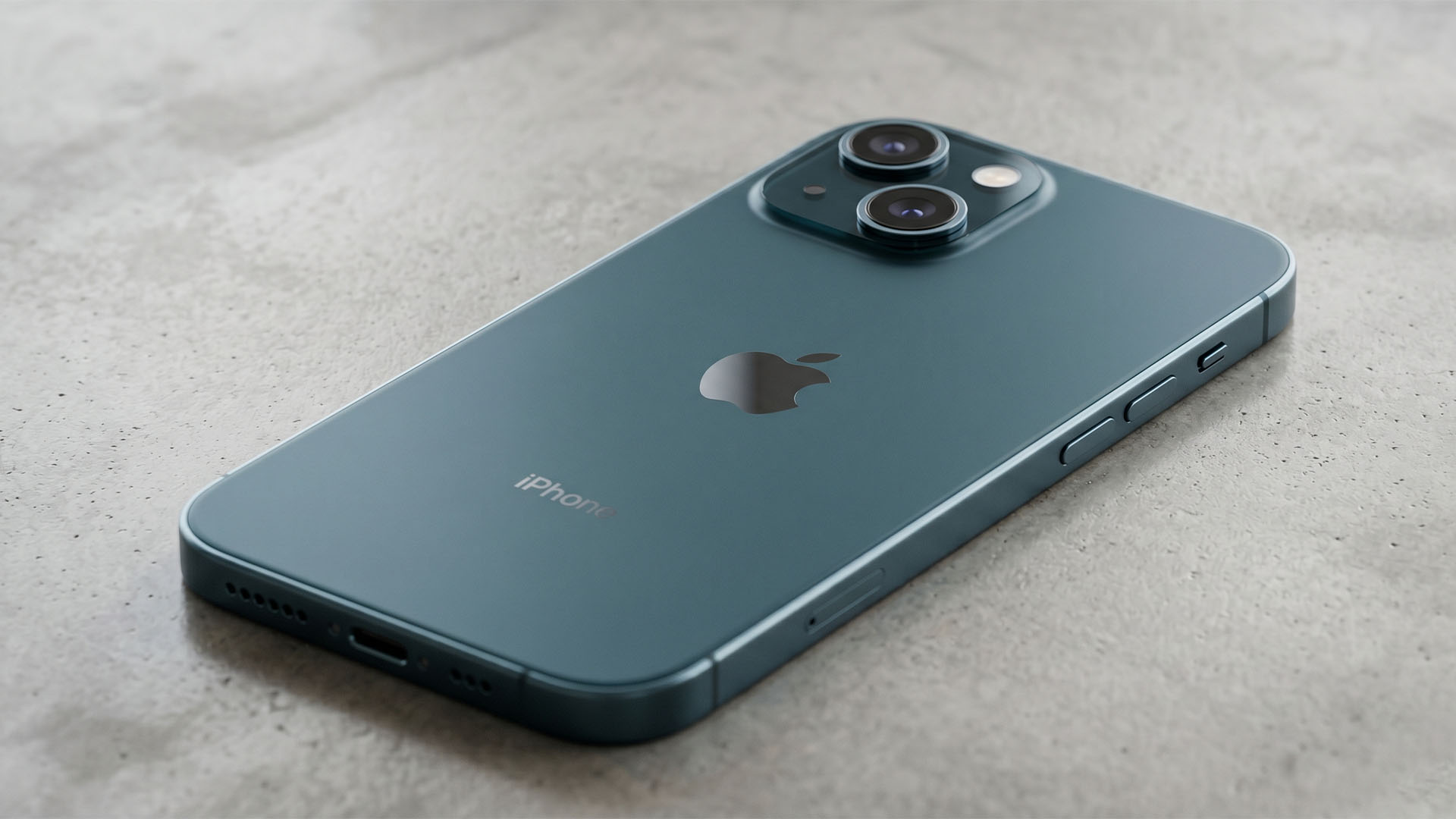
For power users who treat their iPhone as a command center, Apple has quietly rewritten the rules of operational cost. The same budget that once covered a single high-end device can now stretch across an entire ecosystem—without sacrificing performance in key areas.
The shift isn’t just about price tags; it’s about how work gets done. A $1,999 iPhone 17 Pro Max delivers top-tier specs, but Apple’s new affordability tier offers a different kind of flexibility: five devices for roughly the same cost. The trade-off? Specialization over raw power.
What Changed Under the Hood
At the heart of this shift is a rebalancing act. The iPhone 17 Pro Max still dominates in pure performance, packing 12GB of LPDDR5X RAM and 2TB storage—a combination that remains unmatched for heavy workloads like video editing or multitasking across apps. But Apple’s budget-tier devices, from the iPhone 17e to the MacBook Neo, are built for efficiency rather than brute force.
- iPhone 17 Pro Max (2TB):
- 12GB LPDDR5X RAM
- 2TB storage capacity
- A19 chip with 6-core CPU and 4-core GPU, including neural accelerators
- C1X modem (2x faster than the C1 in iPhone 16e)
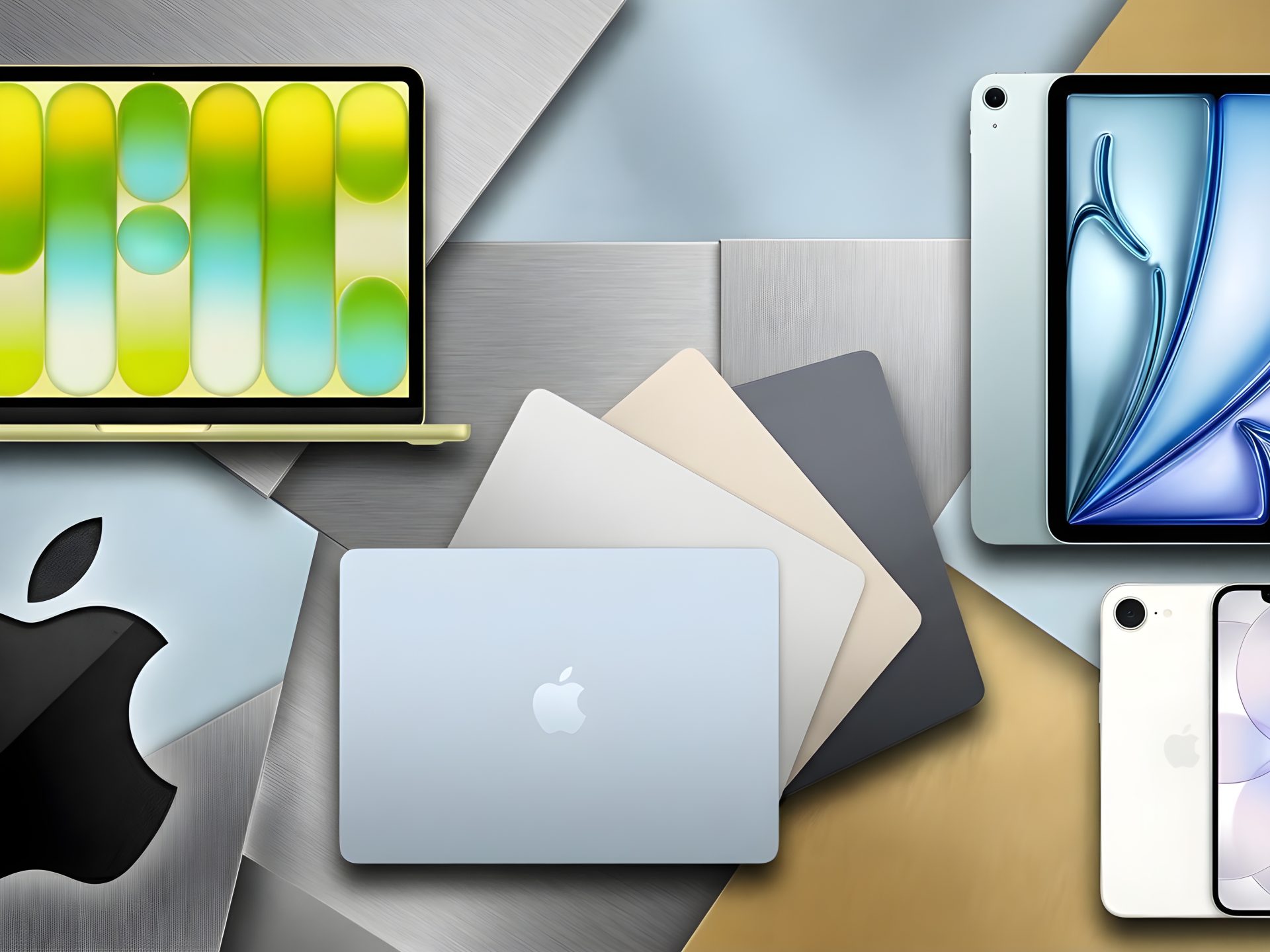
The MacBook Neo, for example, cuts corners where it matters least: an 8GB RAM limit and a mechanical trackpad without pressure sensitivity. Yet its A18 Pro chip and 13-inch Liquid Retina display make it a viable companion for lighter tasks—email, note-taking, or web browsing—while leaving the iPhone to handle everything else.
Why It Matters Now
The real story isn’t just about cost; it’s about how Apple is segmenting its user base. The Pro Max remains the go-to for professionals who need raw power in a single device, while the ecosystem bundle targets those whose work spans multiple platforms—students juggling notes on an iPad and a MacBook, or creatives who switch between devices mid-project.
This isn’t a one-size-fits-all strategy. The Pro Max still reigns for users who prioritize speed and capacity in a single package. But for those whose workflows are distributed, the value proposition becomes clear: a $599 iPhone 17e paired with an $849 MacBook Neo (after discounts) suddenly feels like a steal when compared to the Pro Max’s single-device lock-in.
The Larger Picture
Apple isn’t just expanding its affordability line—it’s also preparing for a future where ‘Ultra’ devices dominate the high end. Rumors of an iPhone Fold with $2,000+ pricing and next-gen AirPods Pro with camera-powered AI features suggest that Apple is doubling down on both extremes: ultra-premium power and budget-friendly versatility.
For now, the choice comes down to a simple question: Do you need a single beast of a device, or do you prefer an ecosystem that adapts to your workload? The answer may no longer be about price alone.