InWin is making significant strides in high-performance computing at CES 2026 by introducing a lineup of PC chassis that prioritize AI optimization, thermal management, and modular adaptability. The company’s latest designs aim to bridge the gap between aesthetic innovation and functional performance, catering to creators, AI developers, and enterprise users alike.
Modular Design as a Foundation for AI Workloads
The COVALENT chassis is positioned at the forefront of InWin’s 2026 lineup, specifically engineered for AI development, scientific simulations, and high-performance computing (HPC) tasks. Unlike traditional workstations that focus solely on raw compute power, this design emphasizes modularity from the ground up—allowing users to scale configurations dynamically based on workload demands. The chassis supports multi-GPU setups while addressing thermal bottlenecks through an integrated liquid cooling framework, which directs heat away from critical components with precision.
Glass, Cooling, and Adaptive Ergonomics
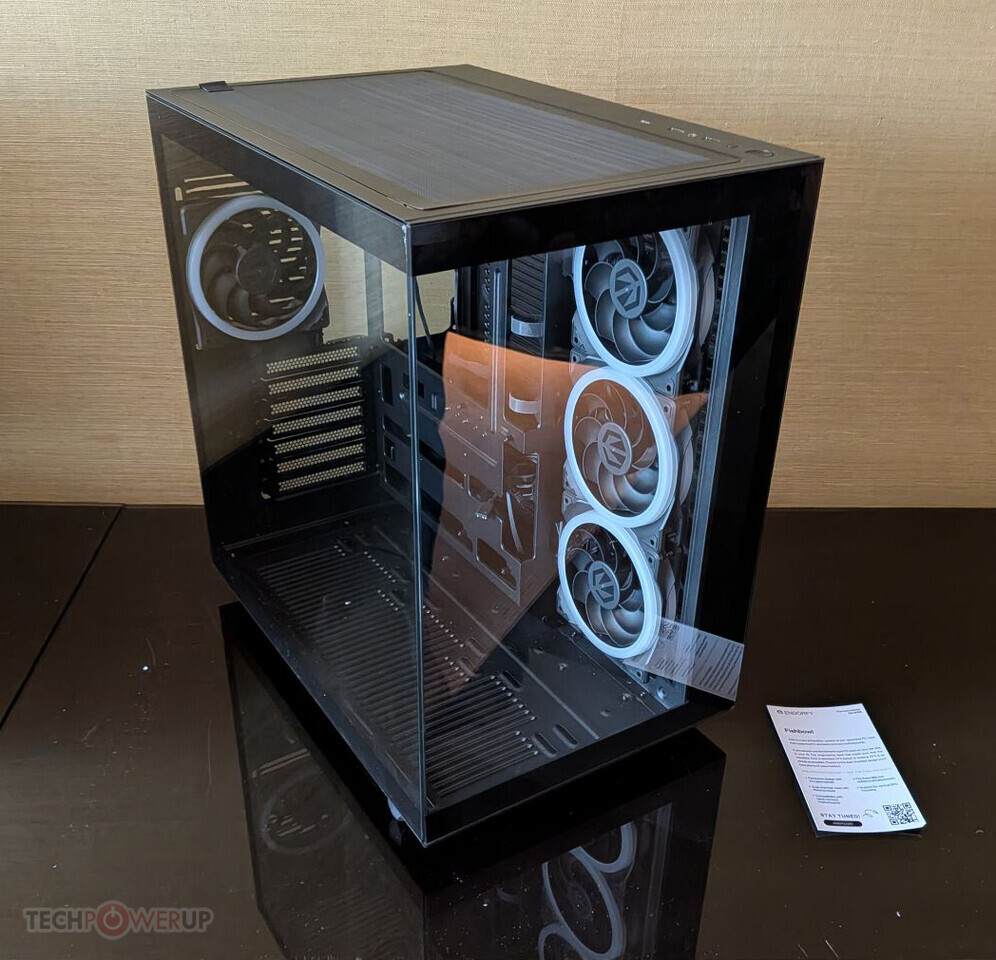
The AEON chassis further pushes the boundaries of design and functionality. Featuring a 180-degree rotating frame, it transitions between flat-lay assembly and vertical display configurations, catering to users who prioritize ergonomic flexibility without compromising performance. Its exterior combines reflective stainless steel with a mosaic-like glass splicing technique, drawing inspiration from architectural aesthetics while maintaining structural integrity. Internally, the design ensures balanced airflow, reducing thermal gradients that can degrade system stability in prolonged AI training sessions.

Compact Performance for Edge and Enterprise
For enterprise deployments, InWin’s server portfolio introduces solutions tailored for edge computing and large-scale AI infrastructure. The RG658 stands out as a high-density GPU server designed for AI training workloads, featuring front-access serviceability to streamline maintenance in data centers. Its thermal management system is built to handle sustained high loads, addressing one of the most persistent challenges in scaling AI systems.
The RL200, a short-depth 2U server, balances compactness with robust cooling performance, making it ideal for edge AI applications where space efficiency is critical. Meanwhile, the RS224-E3 offers PCIe Gen5 storage scalability, supporting data-intensive environments such as analytics pipelines and real-time processing systems. The MS07 rounds out the lineup as a versatile micro-server, combining front-access storage with a portable form factor—perfect for small businesses or branch offices requiring flexibility without sacrificing performance.
Future-Proofing AI Infrastructure
InWin’s 2026 innovations reflect a broader industry shift toward hardware that not only meets but anticipates the demands of AI-driven workloads. The integration of advanced thermal solutions, modular scalability, and adaptive designs positions these systems as foundational components for next-generation computing environments. As edge computing continues to expand, InWin’s focus on balancing aesthetics with engineering precision ensures that its chassis remain both functional and visually compelling.