Intel has unveiled its new Bartlett Lake flagship CPU, a 12-core powerhouse designed to tackle demanding data and AI workloads. However, initial benchmarks reveal a stark contrast: while the chip excels in computational tasks, it lags behind a four-year-old Core i9-13900K in gaming performance.
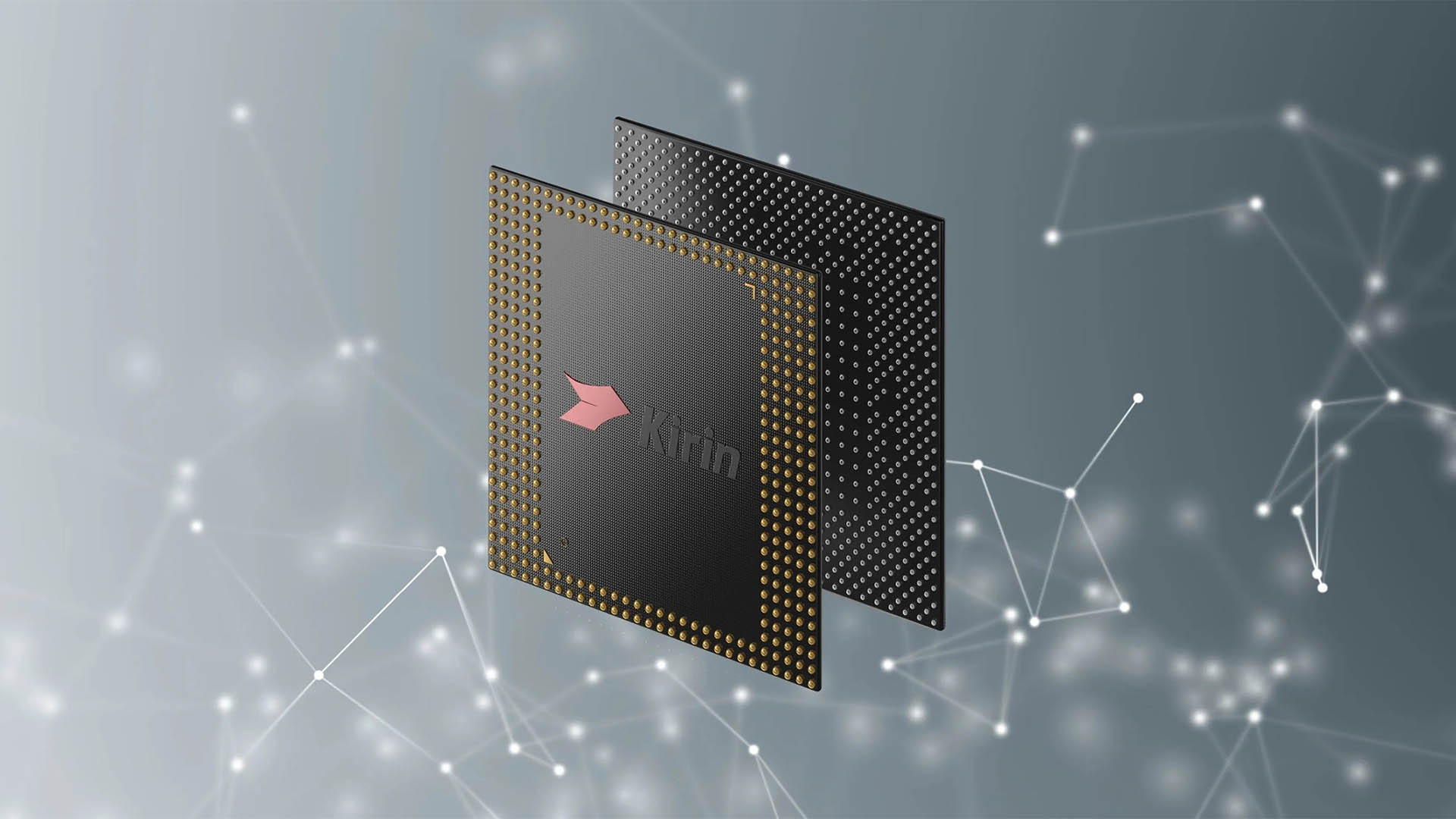
This discrepancy raises questions about Intel's strategy for balancing raw power with real-world application, particularly in gaming. The Bartlett Lake chip, codenamed 'Bartlett Lake,' features 12 performance cores and 8 efficiency cores, running at up to 5.7 GHz on its P-cores. It also introduces a new cache architecture, promising significant improvements in multi-threaded workloads.
Technical Specifications
- Cores: 12 performance (P) cores + 8 efficiency (E) cores
- Clock Speeds: Up to 5.7 GHz on P-cores, up to 4.6 GHz on E-cores
- Cache: 36 MB L2 cache, 48 MB L3 cache per chiplet
- TDP: 125 W (configurable)
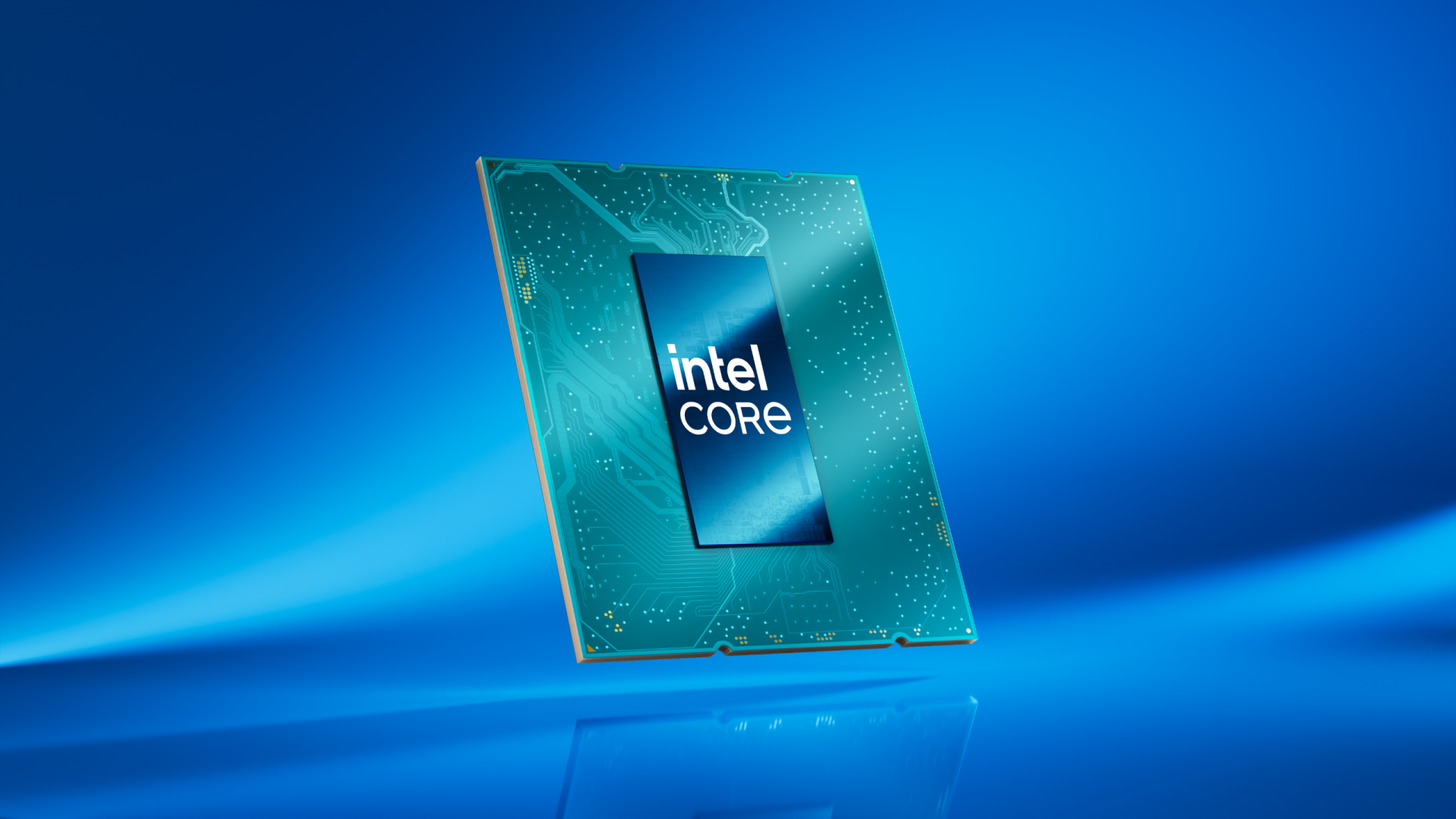
The Bartlett Lake CPU is built on Intel's advanced process node and integrates multiple chiplets to enhance performance. However, its gaming performance does not match that of the Core i9-13900K, which, despite being four years older, still holds a strong lead in benchmarks.
Market Implications
The Bartlett Lake's underperformance in gaming could signal a shift in Intel's focus away from traditional gaming workloads. The company may be prioritizing data center and AI applications, where its strengths lie. This could leave a gap for competitors like AMD, which has been making significant strides in both gaming and productivity performance.
Reality Check
While the Bartlett Lake CPU is a technological marvel, its real-world impact remains to be seen. The chip's performance in AI and data workloads will be crucial in determining whether it can justify its place as Intel's flagship offering. For now, gamers may need to look elsewhere for high-performance CPUs.
Future-Proofing
The Bartlett Lake CPU's introduction marks a significant step forward in Intel's roadmap. Its capabilities in AI and data workloads could position it well for future-proofing, but its gaming performance will likely remain a point of contention. As the market evolves, Intel will need to address this gap to maintain its dominance in both gaming and productivity sectors.
The Bartlett Lake CPU's launch highlights the ongoing tension between raw computational power and real-world application. While it excels in data and AI tasks, its performance in gaming falls short of expectations. This duality underscores the importance of a balanced approach in processor design, ensuring that chips perform well across a variety of workloads.