Intel has unveiled two new CPU families—Bartlett Lake for desktop applications and Panther Lake for mobility—that promise significant advancements in edge AI performance.
The Bartlett Lake lineup, part of Intel's Core Series 2, is built on the Intel 7 process technology and features up to 12 P-cores, a first for Intel's desktop CPUs. This marks a substantial shift from the current maximum of 8 P-cores in its 'S' series.
Key Specifications
- P-Cores: Up to 12 P-cores with hyper-threading, no E-cores.
- Clock Speeds: Boost clocks range from 5.9 GHz (Core 9 273PQE) down to 5.2 GHz (Core 5 213PE).
- TDP: Options include 45W, 65W, and 125W models.
- Memory Support: Up to 192 GB of LPDDR5X memory with ECC support at speeds up to 5600 MT/s.
- PCIe Lanes: Up to 16 PCIe Gen5 and 4 PCIe Gen4 lanes.
- Display Support: Capable of driving up to 4K displays.
The Panther Lake family, part of Intel's Core Ultra Series 3, is tailored for edge AI applications. It claims a 4.5x improvement in AI tasks compared to NVIDIA's Jetson AGX Orin 64 GB solution and offers up to 5.8x higher total cost of ownership (TCO) savings when transitioning from dual-system setups.
Performance and Compatibility
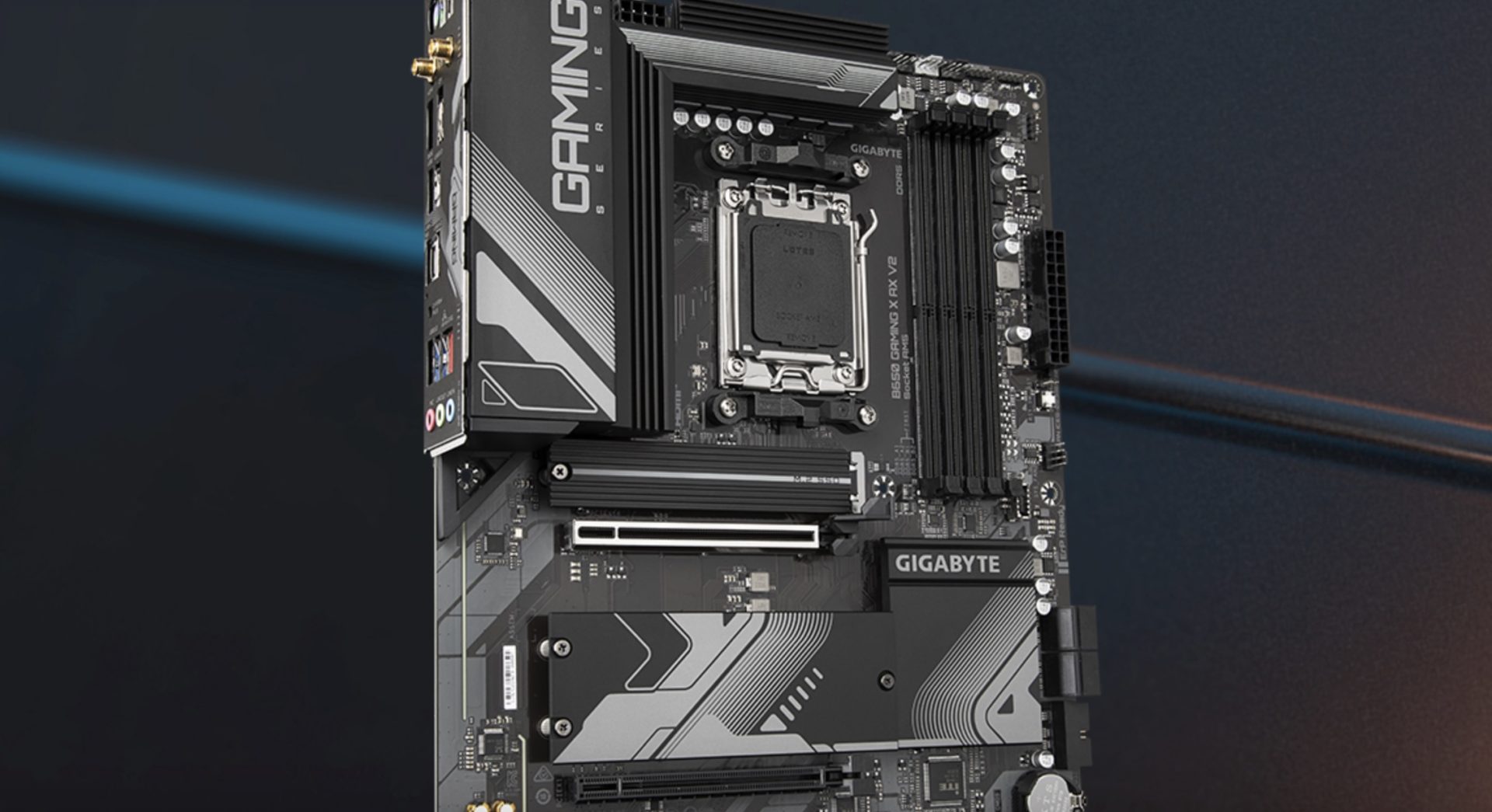
The Bartlett Lake CPUs are designed for compatibility with LGA 1700 sockets on Q/H/B series motherboards. They support a range of AI frameworks, including Intel OpenVINO, PyTorch, ONNX runtime, and WinML. Additionally, they come with a 10-year availability plan that includes LTSC OS support.
Performance benchmarks show that the 65W Core 9 273PE CPU offers up to 3.8x better deterministic chip performance and 4.4x lower max PCIe latency compared to AMD's Ryzen 7 9700X, which is limited to 8 cores in its 65W offerings.
Implications for Users
For creators and developers working on edge AI applications, these new CPUs offer a significant performance boost without the need for discrete GPUs. The Bartlett Lake lineup is particularly noteworthy for its high core count and power efficiency, making it suitable for both desktop and server environments. The Panther Lake family, with its focus on mobility and cost savings, is poised to make a strong case in edge AI deployments.
What's Next
The Bartlett Lake CPUs will not be available in DIY markets but will be sold directly through OEMs for commercial and edge applications. This suggests a shift towards more integrated, proprietary solutions for enterprise and AI workloads. The Panther Lake family, on the other hand, is already available, offering immediate benefits for mobile edge AI applications.
While the exact impact on consumer markets remains to be seen, these new CPUs underscore Intel's commitment to pushing the boundaries of performance in edge AI. For now, the focus is on commercial and enterprise applications, but the potential for broader adoption in creative workflows is significant.