The Intel Arc G3 chip is positioned as a high-performance, space-saving alternative to traditional discrete GPUs, yet its arrival introduces new considerations for businesses evaluating hardware upgrades. While it promises efficiency without sacrificing power, the reality may not always align with expectations—particularly in terms of raw performance and compatibility.
What might buyers assume?
Buyers often expect a compact chip like the Arc G3 to deliver immediate benefits similar to mid-range discrete GPUs, such as seamless multitasking, efficient power usage, and support for modern workloads. Its 96 Execution Units (EUs) suggest it could handle light gaming or media editing without the need for additional hardware. Additionally, its integrated design implies cost savings compared to dedicated graphics solutions.
What’s actually changing?
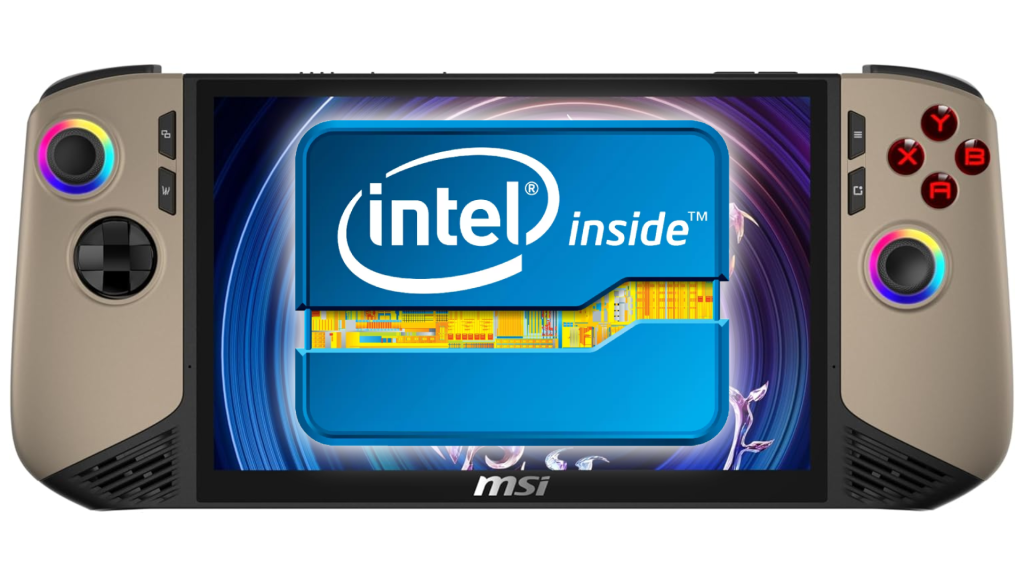
The Arc G3 introduces several technical advancements, including support for Intel’s oneAPI development tools and improved power efficiency with up to 16 GB of LPDDR5X memory. It also supports hardware-accelerated ray tracing, a feature typically reserved for higher-end GPUs. However, real-world performance may not match the marketing claims, especially when benchmarked against dedicated graphics cards. While it excels in integrated tasks, its limitations become apparent under sustained workloads.
What does this mean now?
The Arc G3 is a step forward for integrated graphics, but its practical value depends on how businesses balance immediate needs with long-term scalability. For small operations, the chip offers a cost-effective way to upgrade existing systems without requiring a full desktop replacement. However, those relying on high-end performance or future-proofing may find its trade-offs too significant.
Ultimately, the Arc G3 represents a shift toward more integrated and versatile computing solutions. Whether that shift is beneficial hinges on whether the chip’s promises align with current requirements—or if its limitations outweigh the advantages in practice.