The partnership between AMD and NVIDIA isn’t just about launching high-performance GPUs like the RX 9070 XT or RTX 5070; it’s a strategic move to redefine how small businesses approach hardware adoption. These GPUs, built on advanced architectures—AMD’s Zen 5 and NVIDIA’s next-gen design—are tailored for tasks that demand more than just graphical prowess, such as AI-driven analytics or high-refresh-rate display support.
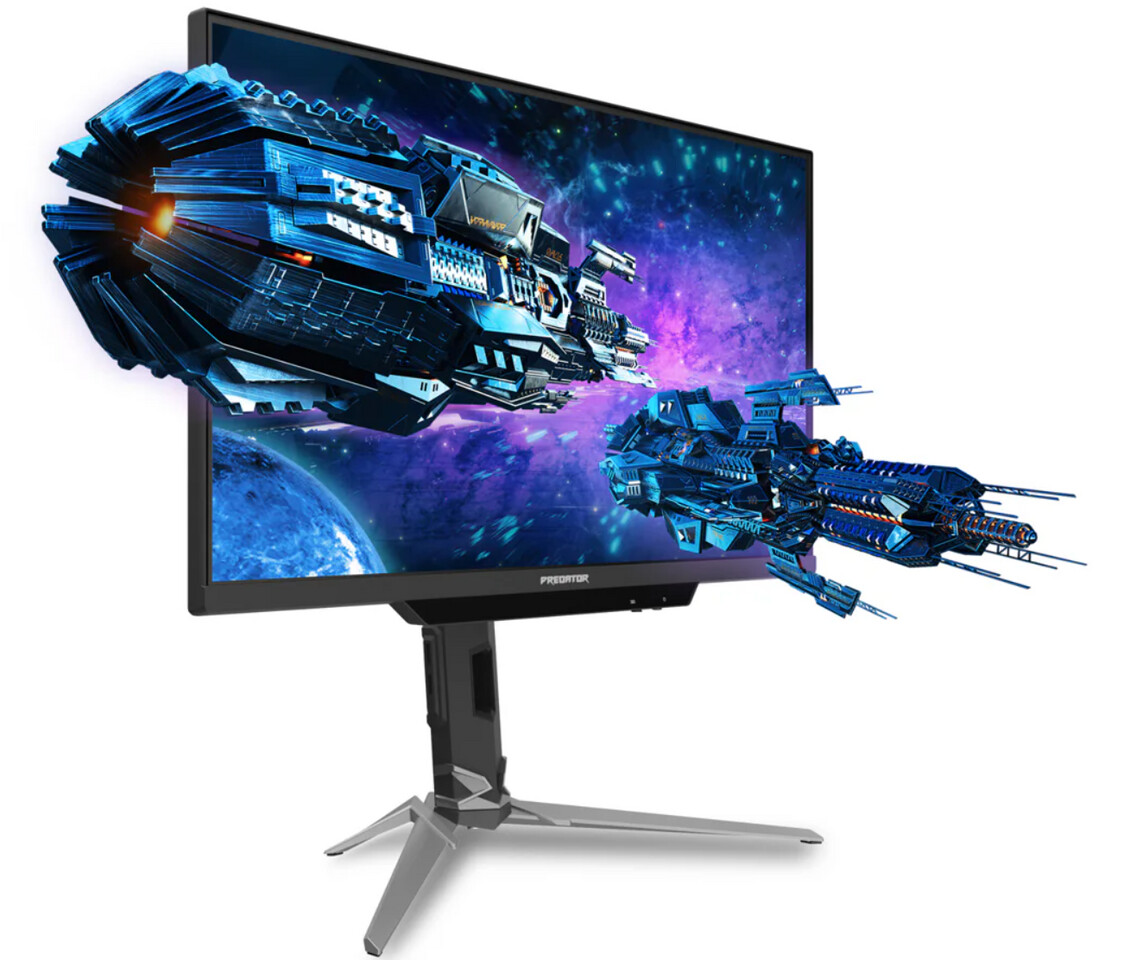
For small businesses, the real question isn’t whether these GPUs are powerful enough but whether their capabilities align with specific workflow needs. The RX 9070 XT, for example, pushes the envelope in clock speeds, reaching up to 680Hz in dual mode, making it a contender for competitive gaming setups. Meanwhile, the RTX 5070’s 12GB of memory is optimized for tasks like 3D modeling or video editing, where memory bandwidth can become a bottleneck.
Why This Partnership Matters
The launch of these GPUs coincides with a growing trend among small businesses to adopt AI and high-performance computing solutions. The partnership between AMD and NVIDIA signals a shift toward more specialized hardware that can handle niche workflows without the premium price tag typically associated with cutting-edge technology.
For instance, the RTX 5070’s advanced features, such as real-time ray tracing and AI acceleration, are designed to streamline complex tasks. However, its practical benefits will depend on whether small businesses can leverage these capabilities effectively or if they’re better suited for more mainstream applications. Similarly, the RX 9070 XT offers a balance between performance and cost, making it an attractive option for those who need high-refresh-rate support without breaking the bank.
Looking Ahead: The Future of Small Business Hardware
The introduction of these GPUs could set new benchmarks for what small businesses expect from their hardware. If AMD and NVIDIA continue to innovate in this space, we may see a rise in more cost-effective solutions tailored to niche workflows, such as AI-driven analytics or high-refresh-rate display support.
For now, the focus remains on how these GPUs integrate into existing systems and whether their performance gains justify the investment. Small businesses will need to weigh factors like pricing, availability, and compatibility with their current setups. The goal is clear: to bridge the gap between high-end performance and practical, everyday use.
The next steps for small businesses involve evaluating their specific needs—whether it’s handling 4K workloads, supporting high-refresh-rate displays, or optimizing AI tasks—and choosing a GPU that aligns with those requirements. The partnership between AMD and NVIDIA marks the beginning of this evolution, setting the stage for a new era in business hardware.