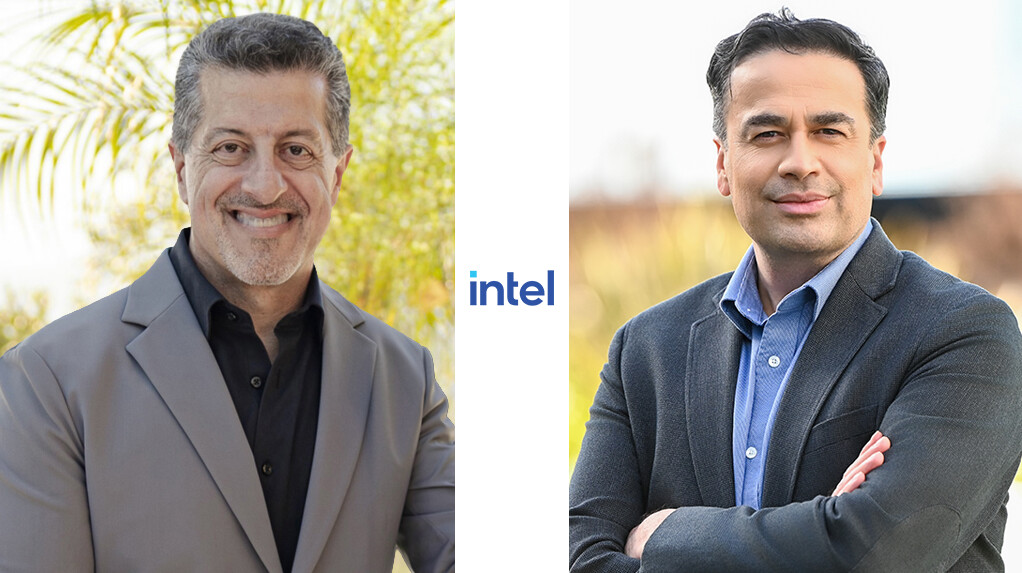
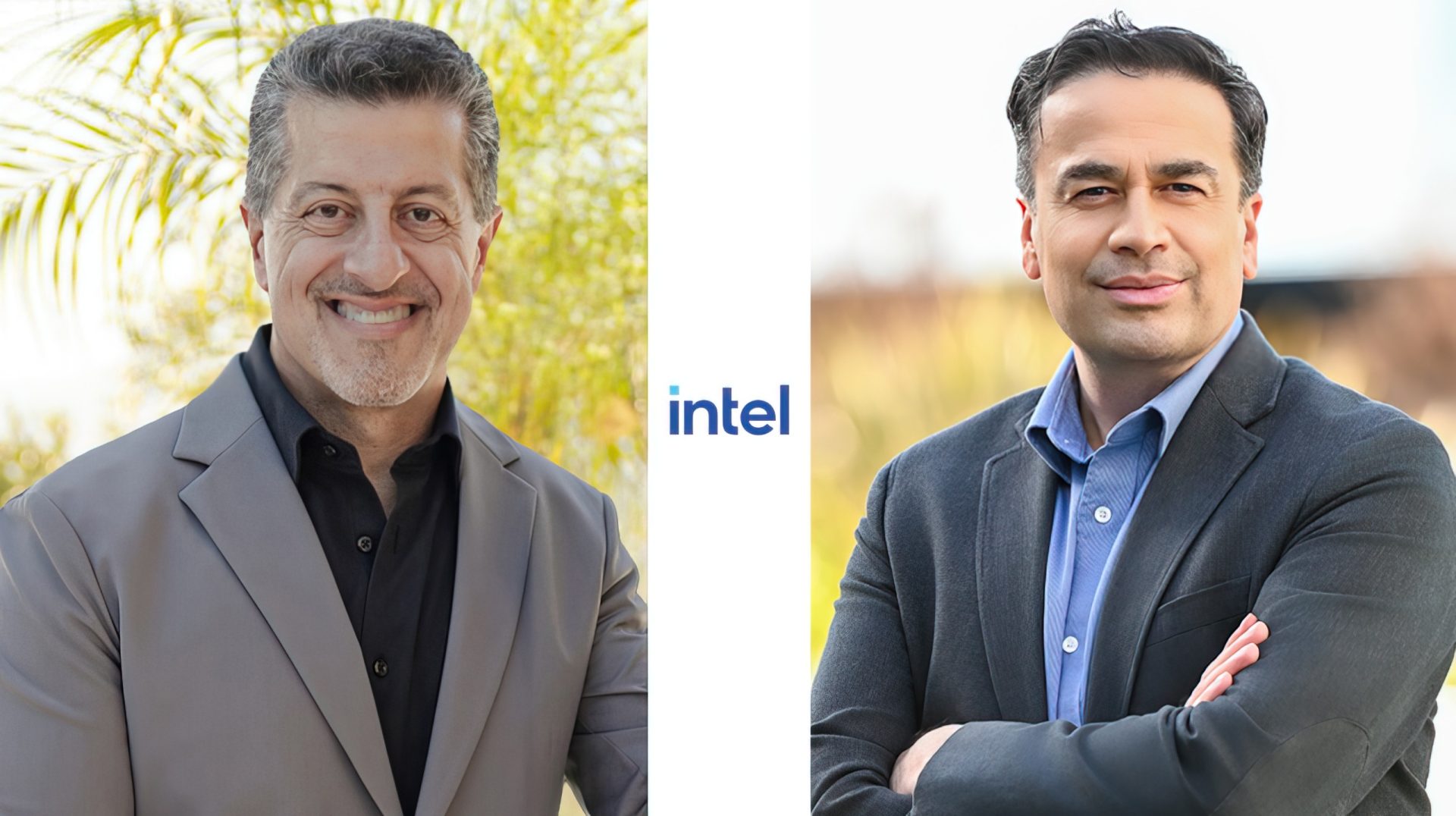
Intel has appointed Alex Katouzian to lead its client computing and physical AI divisions, marking a significant shift in the company’s approach to platform design and efficiency.
The appointment of Katouzian, who previously led Qualcomm’s chip development, reflects Intel’s push toward more power-efficient architectures. His expertise in mobile and embedded systems is expected to influence future product roadmaps, particularly in areas like thermal management and performance-per-watt optimization—critical factors for gamers and developers alike.
Katouzian’s background suggests a focus on balancing raw performance with real-world constraints. At Qualcomm, he oversaw the development of chips that prioritized both speed and power consumption, a lesson Intel is likely to apply in its transition away from traditional high-core-count designs toward more specialized, efficiency-driven architectures.
This shift isn’t just about leadership changes; it’s part of a broader restructuring at Intel. The company has been quietly reorganizing its teams under the guidance of new executives, including Lip-Bu Tan, who is reshaping Intel’s top ranks to better address modern computing demands. While specifics remain under wraps, industry observers note that this could mean more integrated solutions for AI workloads, particularly in client devices where power efficiency is non-negotiable.
For gamers and hardware enthusiasts, the implications are clear: Intel is doubling down on performance-per-watt as a defining metric. Katouzian’s arrival suggests a move toward architectures that deliver sustained high performance without sacrificing battery life or thermal stability—something that has been a persistent challenge for both Intel and AMD in recent years.
The question now is whether this new leadership can translate Qualcomm’s mobile efficiency gains into the desktop and laptop space. While Intel has made strides with its 13th-gen Raptor Lake processors, there’s still room to improve in areas like sustained performance under load and thermal throttling. Katouzian’s experience may help bridge that gap.
Another open question is how this restructuring will affect Intel’s AI ambitions. Physical AI—a term that refers to hardware-accelerated AI processing—is becoming a battleground between tech giants, with Nvidia’s dominance in data centers pushing others to catch up. Katouzian’s role suggests Intel sees client computing as the next frontier for AI integration, whether through integrated GPUs or dedicated NPU designs.
So far, Intel has confirmed its commitment to efficiency without revealing concrete timelines or product roadmaps. The focus remains on refining existing architectures while laying groundwork for future generations. Whether this translates into tangible improvements for consumers—or if it’s just another leadership shuffle—remains to be seen.