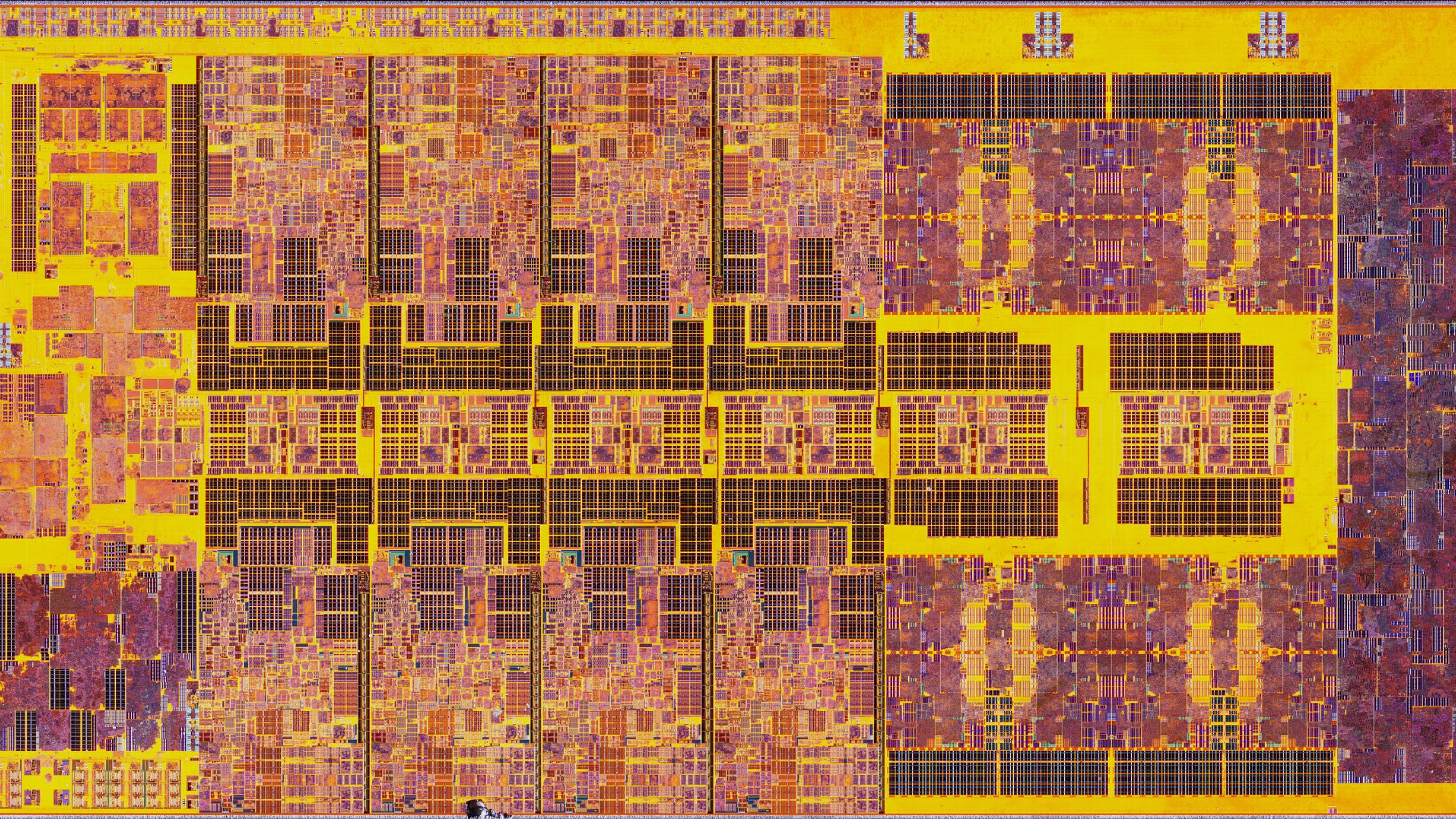
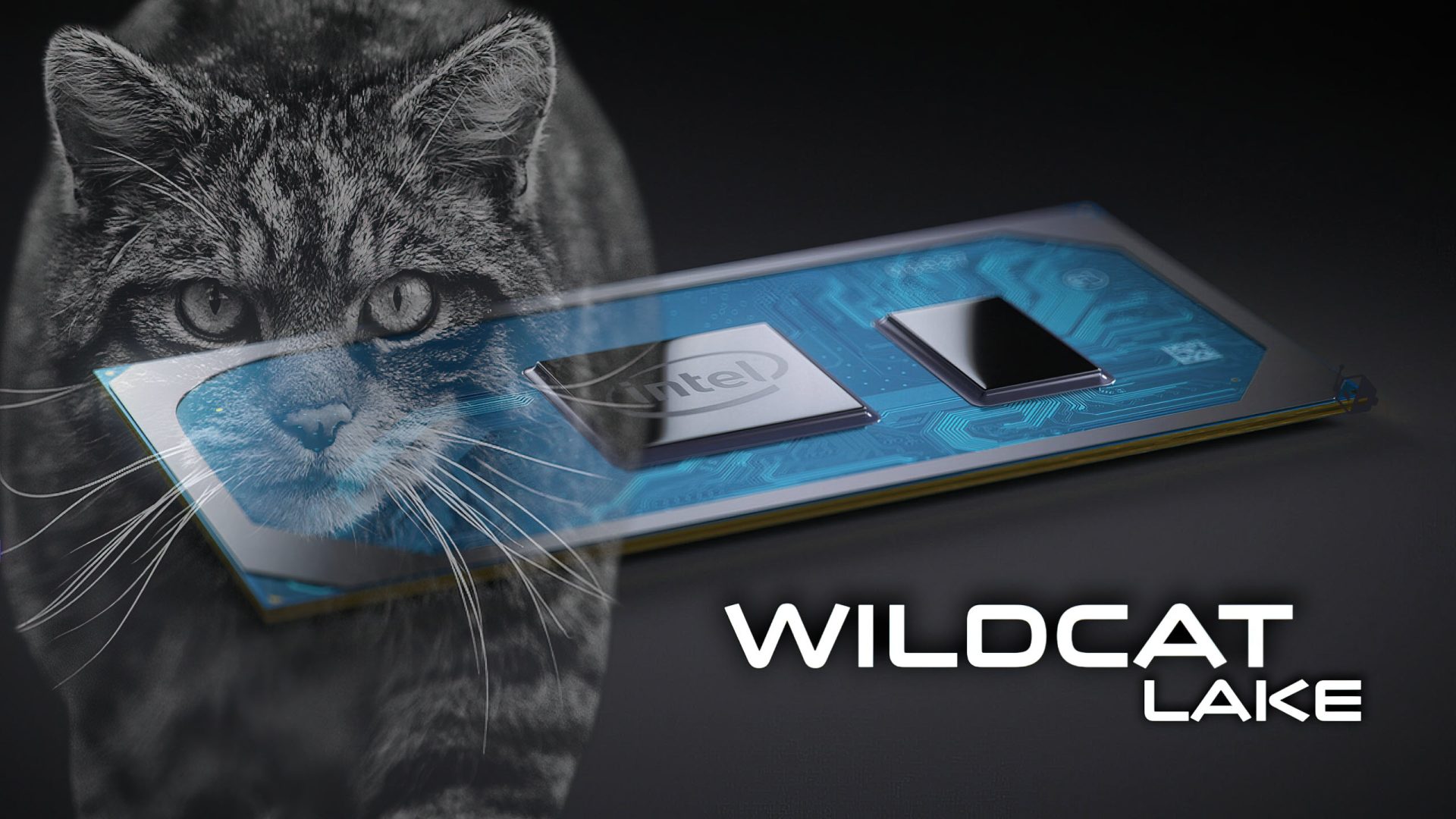
The Intel Core i5-330 has quietly entered the spotlight on benchmarking platforms, with results that paint a picture of consistency within Intel's Wildcat Lake series. The chip, featuring a 2-performance core + 4-efficient core setup and a 35W TDP, mirrors the performance of its sibling model, the Core i5-320, in both single-threaded and multi-threaded benchmarks. This suggests a deliberate approach from Intel to refine its architecture with minimal variance between variants.
Benchmarks show the Core i5-330 achieving 4,215 points in single-threaded tests and 14,947 points in multi-threaded scenarios. These figures are nearly indistinguishable from those of the Core i5-320, which has already been noted for its strong multi-core performance, though it trails behind Apple's A19 Pro in single-threaded efficiency. The similarity between the two models hints at a strategy of incremental improvements rather than drastic overhauls.
One standout feature is Intel SIPP support, which may pave the way for future software optimizations. However, beyond this, the Core i5-330's place in Intel's lineup remains unclear. The 35W TDP indicates a focus on power efficiency, making it a candidate for thin-and-light laptops or devices where thermal management is critical.
- Core Configuration: 2-performance cores + 4-efficient cores
- TDP: 35W
- Benchmark Scores: 4,215 (single-thread), 14,947 (multi-thread)
- Key Feature: Intel SIPP support for potential future optimizations
The lack of additional technical details leaves its intended use cases and performance trade-offs open to speculation. While the Core i5-330 seems poised to compete in mid-range markets, its relationship to newer architectures like Meteor Lake or Arrow Lake is still undefined. Without official confirmation on its compatibility with existing platforms or software stacks, its adoption risks may persist.
For enterprise buyers, the Core i5-330 could offer reliable performance in multi-threaded tasks, which are common in data processing and light server workloads. However, its long-term relevance hinges on Intel's willingness to provide clearer specifications and benchmark comparisons. Until then, the focus remains on whether this model will be part of a broader Wildcat Lake release or if it serves as a niche offering for specific needs.
The Core i5-330's emergence adds another layer to Intel's evolving chip narrative. Its performance profile suggests a balance between efficiency and capability, but without further insight, its full potential remains speculative. The next steps will determine whether this model carves out a distinct space in the market or blends seamlessly into Intel's broader strategy.