Intel has brought on board a seasoned GPU architect who could play a pivotal role in shaping the company’s AI strategy, industry insiders say. The hire marks another significant step for Team Blue as it ramps up efforts to compete more aggressively in the high-performance computing space.
The individual, whose career spans leading graphics divisions at AMD and Qualcomm, is set to begin work within weeks. While Intel has not yet disclosed specific responsibilities, reports suggest a focus on accelerating AI workloads—a domain where NVIDIA currently dominates. The architect’s background includes stints at Silicon Graphics (SGI) and ArtX, a startup later acquired by ATI (now AMD), as well as a recent tenure at Qualcomm, where he contributed to the Snapdragon X2 series for Windows PCs.
This isn’t Intel’s first high-profile recruitment in the AI space. Earlier this year, the company hired another prominent figure from NVIDIA to bolster its internal expertise. Together, these moves hint at a broader restructuring aimed at closing the gap with industry leader NVIDIA, which recently announced plans for expanded RTX GPUs with up to 24 GB of VRAM, including the RTX 5080 SUPER and RTX 5070 SUPER variants.
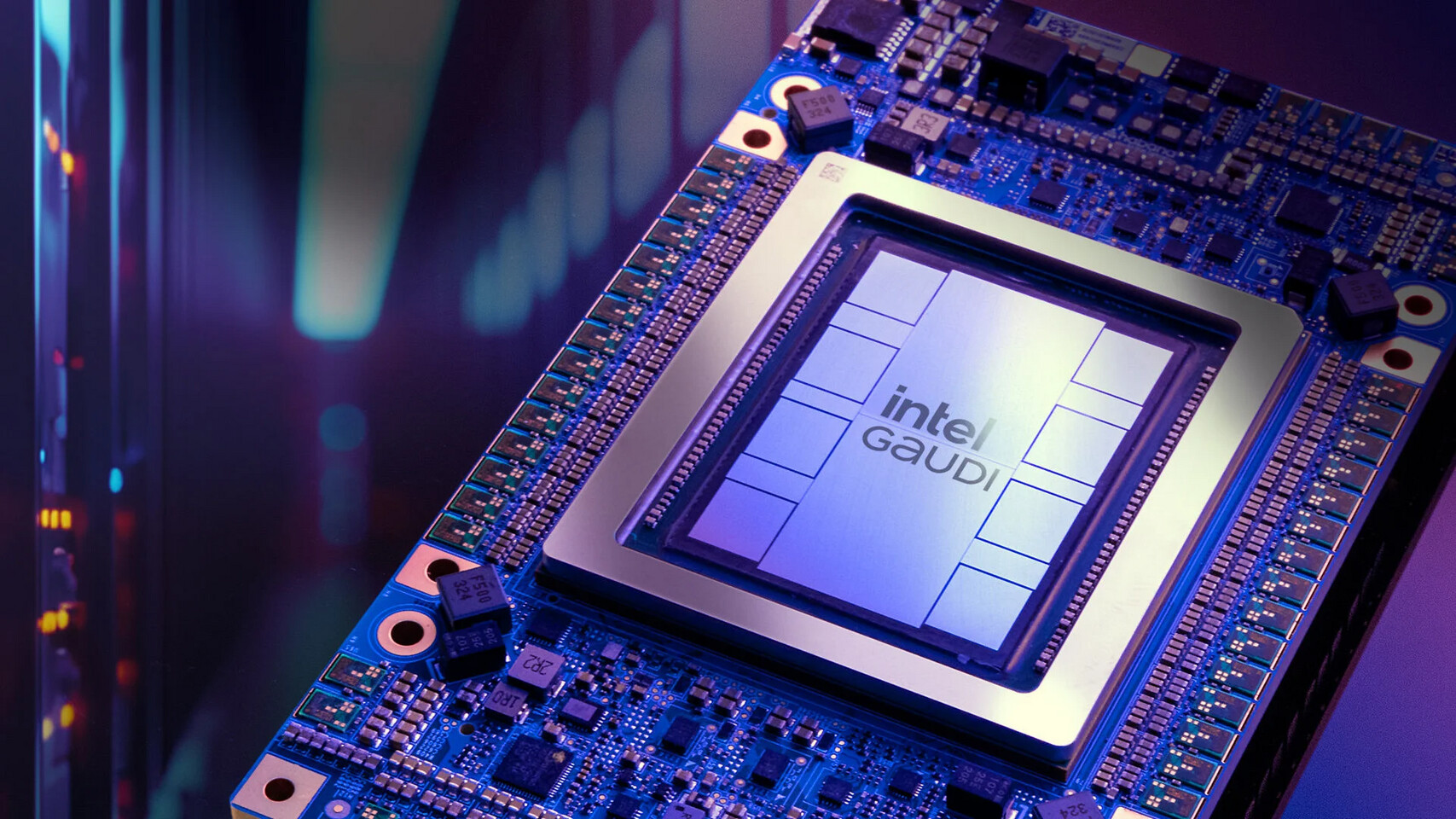
Intel’s internal AI group, formed last year, is reportedly working on a successor to its inaugural data center accelerator, codenamed Crescent Island. Dubbed Jaguar Shores, the next-generation chip is expected to reach design completion in mid-2026—a timeline that aligns with growing demand for more efficient AI inference and training hardware.
In parallel, Intel continues to advance its consumer GPU lineup. The latest Core Ultra 300 series, based on the Arrow Lake architecture, introduces a refined iGPU design aimed at delivering stronger performance in demanding titles like Cyberpunk 2077—though with trade-offs in power efficiency that could limit its appeal for thin-and-light laptops.
For developers and enterprises, the implications are clear: Intel is doubling down on AI-optimized hardware, even as it faces pressure to catch up in raw performance. Whether this strategy will translate into tangible gains against NVIDIA remains an open question, but one thing is certain—the stakes have never been higher.