Intel’s Core Ultra 300 series, branded under the Nova Lake-S codename, has been pushed back to a 2027 launch, with CES serving as the likely debut stage. This timing now overlaps with AMD’s Zen 6 Ryzen processors—previously expected to arrive later in 2026—suggesting a deliberate synchronization of high-end CPU releases. The shift underscores ongoing supply constraints, which have extended product cycles across the industry.
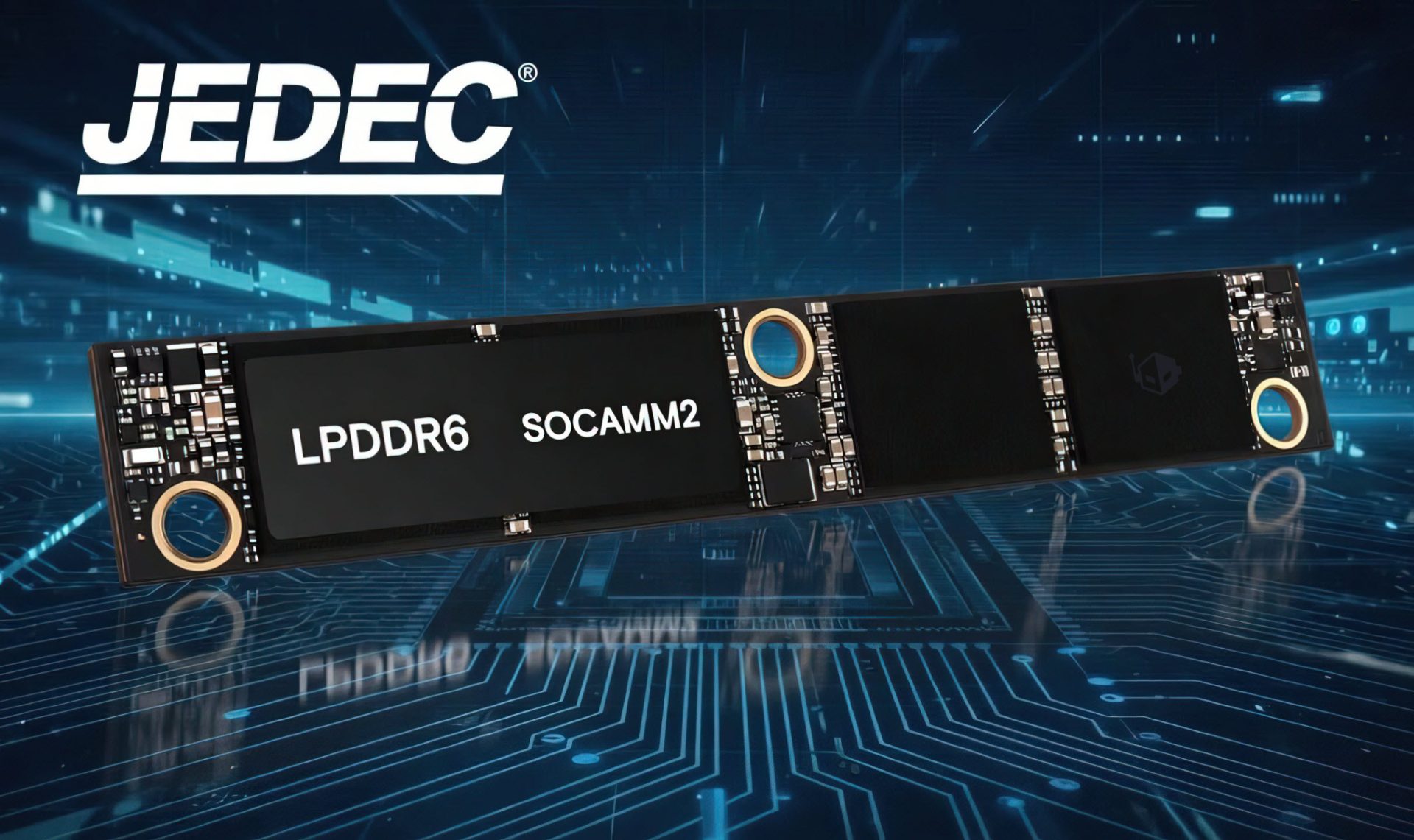
Early leaks point to Nova Lake-S adopting a hybrid architecture with up to 52 cores in its flagship model, combining 16 performance (P-) cores, 32 efficiency (E-) cores, and 4 low-power (LP-) cores. Even the entry-level SKU would feature 12 cores (4P/4E/4LP), a marked increase from Intel’s current Core Ultra 200 lineup. The platform is also expected to support DDR6 memory, with speeds ranging from 8,800–17,600 MT/s, though official benchmarks remain unconfirmed.
A Race to Redefine High-End Computing
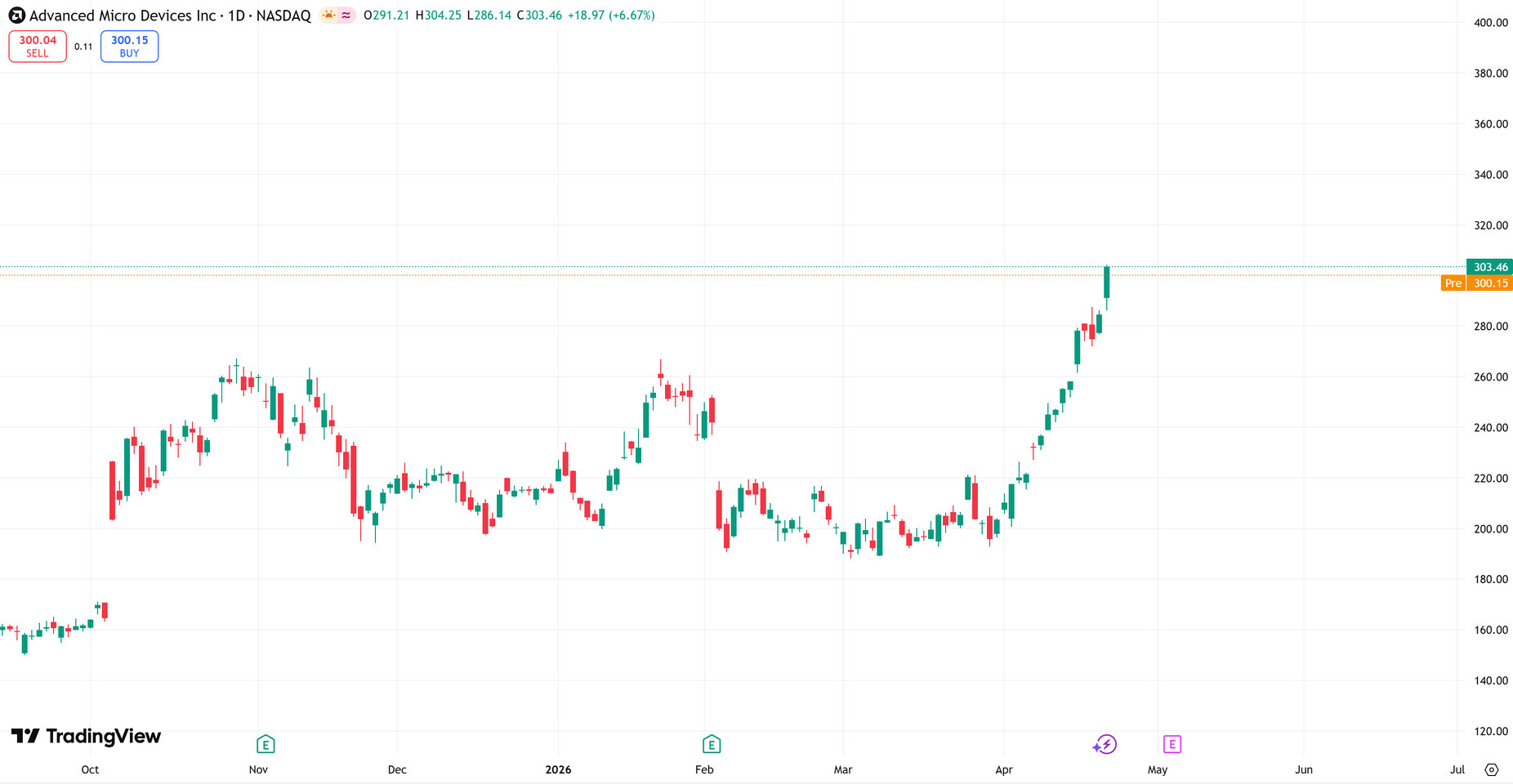
The delay reflects broader industry challenges, including silicon shortages and DRAM bottlenecks that have delayed multiple chip launches. Intel’s move to align with AMD’s Zen 6—built on TSMC’s 2 nm process for core clusters and 3 nm for I/O—may also signal a strategic push to compete directly with AMD’s Ryzen 9 9950X3D2 (200W, 192MB L3 cache) and Ryzen 7 9850X3D (5.6 GHz boost). Both AMD chips leverage 3D V-Cache technology, a feature Intel has yet to adopt in its current lineup.

Key Specs (Leaked)
- Codename: Nova Lake-S (Core Ultra 300 series)
- Architecture: Hybrid (P-cores + E-cores + LP-cores)
- Top-tier config: 16P/32E/4LP (52 cores total)
- Entry-tier config: 4P/4E/4LP (12 cores total)
- Memory: DDR6 (8,800–17,600 MT/s)
- Process node: Expected 2 nm (unconfirmed)
- NPU: Enhanced AI acceleration (details pending)
- Launch window: Early 2027 (CES 2027 likely)
While Intel’s Nova Lake-S may not introduce 3D V-Cache, its core count expansion could redefine workload distribution for content creators and workstation users. The platform’s support for DDR6 also positions it as a bridge to future memory standards, though real-world performance will hinge on NPU optimizations and thermal efficiency—areas where AMD’s Zen 6 holds a current advantage.
The timing suggests Intel is preparing for a two-front battle: competing with AMD’s Zen 6 while also addressing legacy Arrow Lake (Core Ultra 300) refreshes. With Panther Lake (Core Ultra X9) already in development, the Nova Lake-S series could serve as a transitional step before Intel’s next-gen Emerald Rapids server chips arrive in 2024.
No official pricing or release dates have been confirmed, but industry observers expect CES 2027 to unveil the first concrete details—setting the stage for a high-stakes CPU war.