Intel’s next-generation desktop processors, codenamed Nova Lake-S, are set to feature a refined socket design that prioritizes cooler contact and thermal efficiency.
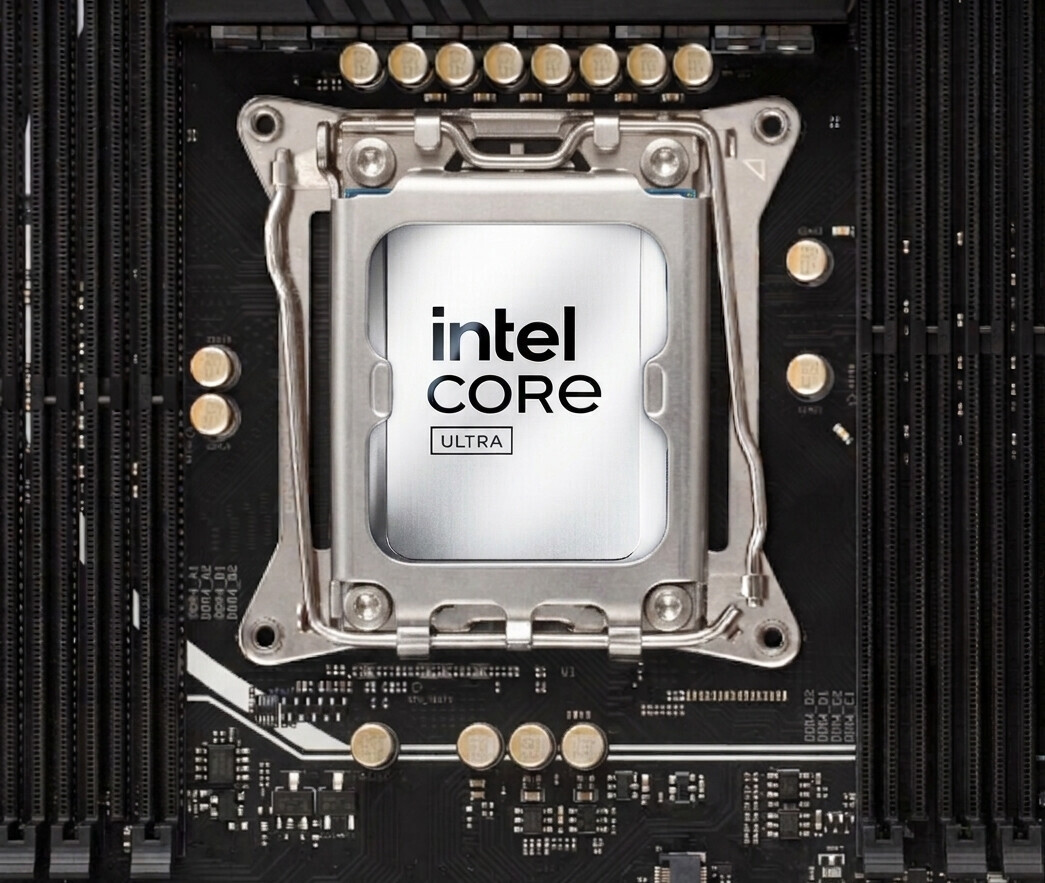
The LGA-1954 socket on these chips will incorporate a two-level independent loading mechanism (2L-ILM), using dual levers—one on each side—to secure the CPU more firmly. This approach ensures even pressure distribution across the socket, which is critical for maintaining consistent electrical contact with the numerous pins required by high-performance designs.
Socket Design Evolution
This isn’t Intel’s first foray into multi-level socket mechanisms. The 2L-ILM was previously used on the LGA 2011-3 socket in 2014, a platform that also supported a large number of pins (2011). The similarity suggests that the sheer scale of the LGA-1954—with nearly double the pins—demands a stronger hold to prevent any gaps between the CPU and socket during installation.
Why It Matters
- Improved Thermal Performance: Better contact between the CPU die and cooler base plate reduces thermal resistance, which is essential for chips with aggressive power profiles (up to 200 W TDP).
- Overclocking Support: The 2L-ILM is particularly beneficial for overclocking motherboards, where precise pressure distribution can enhance stability and cooling efficiency.
- Compatibility with Coolers: While the hardware remains largely unchanged, cooler manufacturers like Noctua and Cooler Master will need to adapt their mounting brackets to accommodate the new mechanism, ensuring optimal performance across different setups.
The 2L-ILM builds on Intel’s existing socket strategies, which already differentiate between standard (Default-ILM) and high-end (RL-ILM) designs. The RL-ILM, used in overclocking motherboards for chips like Arrow Lake, provides a flatter surface contact but is less common due to its cost and complexity. The Nova Lake-S approach streamlines this by making the two-level mechanism standard, eliminating the need for separate hardware.
For power users and enthusiasts, this change could mean more stable overclocks and better thermal management—critical factors when dealing with CPUs that push the boundaries of current performance envelopes. However, the increased mechanical complexity may introduce subtle installation challenges, particularly for users upgrading from older sockets without built-in support.
Looking ahead, the Nova Lake-S platform is expected to launch in late 2026 or early 2027, aligning with Intel’s broader roadmap for unified core designs. While no official pricing has been confirmed, the focus on thermal optimization suggests these chips will target high-end desktops and workstations where power efficiency and cooling are paramount.