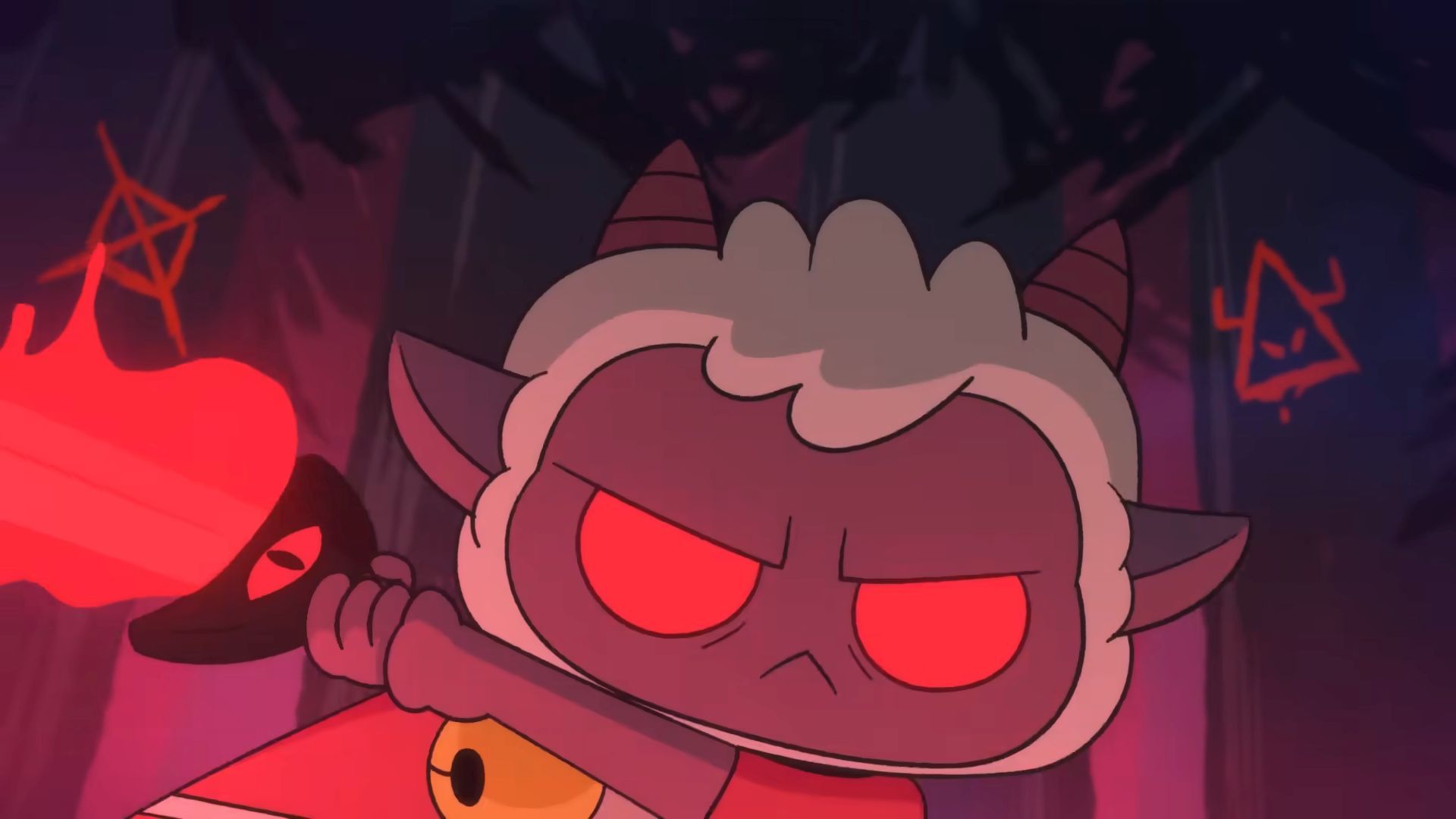
Gaming’s recent years have been defined by a paradox: while AAA titles demand ever-larger budgets—some now topping $200 million—indie developers continue to deliver games that rival their blockbuster counterparts in ambition, polish, and player devotion. Cult of the Lamb, a roguelike dungeon-crawler from the tiny studio Massive Monster, exemplifies this shift. Released with modest expectations, it became a critical darling and a commercial success, proving that even niche genres can thrive when creativity outweighs budget constraints.
The game’s art director, James Pearmain, acknowledges the surprise of its reception. No one anticipated the scale of its success, he reflects, noting that while the team believed in the project’s potential, the sheer scale of its reception—fueled by a recent expansion, Woolhaven, packed with new content—was unexpected. The contrast with AAA development is stark: a $200 million budget for a single title, yet indie games like Cult of the Lamb* deliver comparable depth for a fraction of the cost.
A Library Built on Surprises
Steam libraries today are a testament to this indie renaissance. Titles like Stardew Valley, Lethal Company, and SCP: Secret Laboratory remain staples, their staying power rivaling even the most hyped AAA releases. These games don’t just endure—they evolve, with updates and expansions that keep players engaged for years. Cult of the Lamb itself has become a recurring favorite, its recent Woolhaven DLC adding brutal combat, dynamic weather, and a menagerie of adorable critters to an already rich experience.
Yet the unpredictability of indie success is as much a double-edged sword as it is a strength. Take Peak, the multiplayer climbing sim from Aggro Crab, which sold millions despite the studio’s relative obscurity. Its developers were stunned by the response, a sentiment echoed by others in the space. Meanwhile, Content Warning, another multiplayer gem from the same team’s sister studio, Landfall, failed to achieve similar traction—despite its charm and promise. The lesson? Player reception remains an unknowable variable, a gamble that even seasoned developers can’t fully predict.
Why Indie Still Wins
The uncertainty hasn’t dampened optimism. Pearmain argues that indie games thrive precisely because they’re unburdened by the need to recoup hundreds of millions in development costs. AAA games can feel stagnant, he notes. But indie titles? They’re where the real innovation happens—a single person can craft something unforgettable with minimal risk. The barrier to entry is low: no need to secure a $60 million budget to make a game that resonates.
This isn’t just theoretical. Recent years have seen a string of indie breakouts—Schedule 1, Hades, Valheim—each proving that a small team’s passion can outshine even the most polished AAA effort. The key, Pearmain suggests, is authenticity. Players crave games that feel personal, not just polished. And in an era where corporate gaming often prioritizes franchise safety over creativity, indie titles offer a refreshing alternative.
What It Means for Players
For gamers, the takeaway is clear: the best discoveries often lie off the beaten path. While AAA titles dominate headlines, it’s the indie scene that keeps gaming fresh. The next Cult of the Lamb or Lethal Company* could come from a studio no one’s heard of, built on a shoestring budget, and capable of redefining what a hit looks like. In an industry where predictability reigns, that unpredictability is gaming’s greatest asset.
The future of gaming isn’t just about bigger budgets—it’s about bigger ideas. And those ideas are still being born in garages, not boardrooms.