In an era where game trailers must hook players in five seconds or less, and publishers chase viral moments over depth, one indie duo is doing the exact opposite. Talha & Jack Co.—comprising artist Jack King-Spooner and developer Talha Kaya—have built a career on slow-burning, visually striking, and conceptually bold games that refuse to conform. Their latest project, Abide, is a stop-motion horror experience so grotesque and immersive that it demands patience, not just clicks. And yet, their entire catalog—including their earlier works—can be experienced for just $15 on Steam until February 24.
Their success isn’t accidental. It’s a result of a deliberate approach: reusing modular systems, embracing creative imperfection, and rejecting the idea that higher budgets always mean better art. While studios chase algorithm-friendly content, Talha & Jack Co. are proving that meaning still matters.
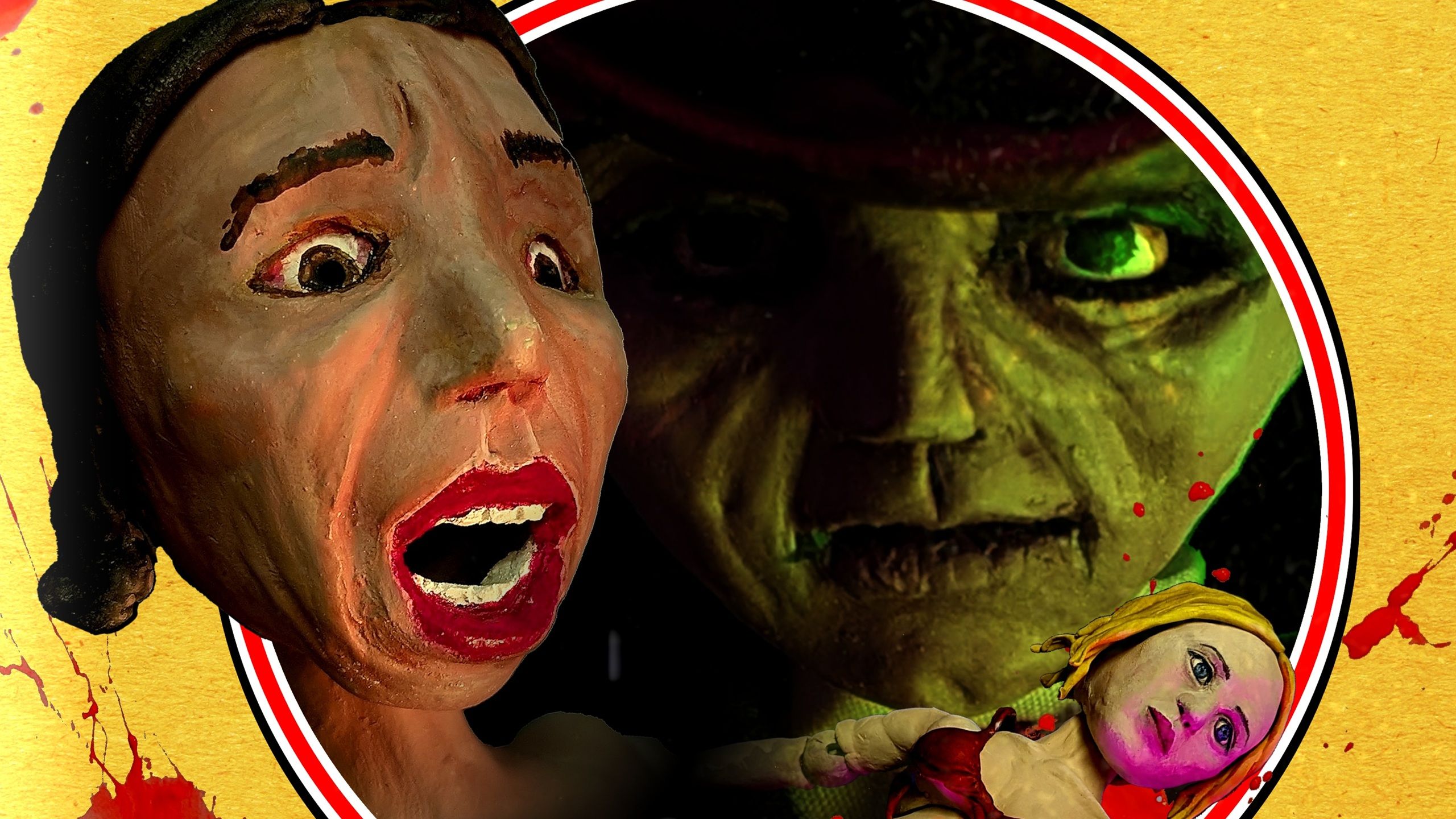
King-Spooner’s signature style—clay creatures, repurposed action figures, and hyper-detailed stop-motion—isn’t just aesthetic. It’s functional. It’s simply the easiest way for me, he says, but the effect is anything but simple. His work feels like stepping into a living diorama, where every grotesque detail serves a purpose. The duo’s previous game, Judero, was a druidic adventure that blended folklore with surreal horror, and it became one of the standout indie titles of 2024. Now, with Abide, they’re taking that experimentation further, blending visceral horror with an almost documentary-like attention to grotesque realism.
But their speed isn’t just about efficiency—it’s about necessity. The indie landscape has shifted. Where once, experimental prototypes could thrive simply by existing, today’s market demands instant gratification. Companies can A/B test entertainment now, Kaya notes. They sell games in 5-second clips instead of 10-minute reviews. That leaves little room for games that require time to unfold. Yet Talha & Jack Co. thrive in this environment by leveraging reusable code and animation frameworks, allowing them to iterate quickly without sacrificing depth.
Their budget constraints force creativity, not compromise. Higher production values don’t always mean better meaning, King-Spooner argues. He points to Netflix’s $18 million-per-episode One Piece* adaptation as a cautionary tale—where sheer financial investment doesn’t guarantee artistic impact. Instead, he values raw, unfiltered creativity, even if it means embracing messiness. I compulsively make things, he explains. Rewiring telephones to play messages, collecting ‘unloved’ art from thrift shops—it’s all about the act of creation itself.
Abide is still raising funds on Kickstarter, needing an additional $9,000 to meet its goal with just days left. But even if it falls short, the duo’s entire back catalog remains accessible, offering a rare glimpse into a world where games are more than just products—they’re experiences that demand to be felt, not just consumed.
- Current project: Abide—a stop-motion horror game blending grotesque realism with interactive storytelling.
- Development speed: Reusable systems and modular animation frameworks allow rapid iteration without sacrificing quality.
- Budget philosophy: Constraints breed creativity; higher budgets don’t guarantee deeper meaning.
- Visual style: Clay creatures, repurposed toys, and hyper-detailed stop-motion—each element serves both form and function.
- Accessibility: Entire back catalog available for $15 on Steam until February 24.
- Funding status: Abide* Kickstarter campaign needs $9,000 more to reach its goal.
Their work is a reminder that in an industry obsessed with virality, some of the most powerful stories still require time, attention, and a willingness to be weird.