Csaba Székely, better known as ForestWare, spent years as a chef before the pandemic forced him into an unexpected career pivot. With no formal training in game development, he turned to his childhood love of Gothic, Dungeon Siege, and the raw, unpolished charm of 2000s European RPGs—what he calls eurojank—to build Sword Hero, a project that has already surpassed its Kickstarter funding goals by more than sixfold.
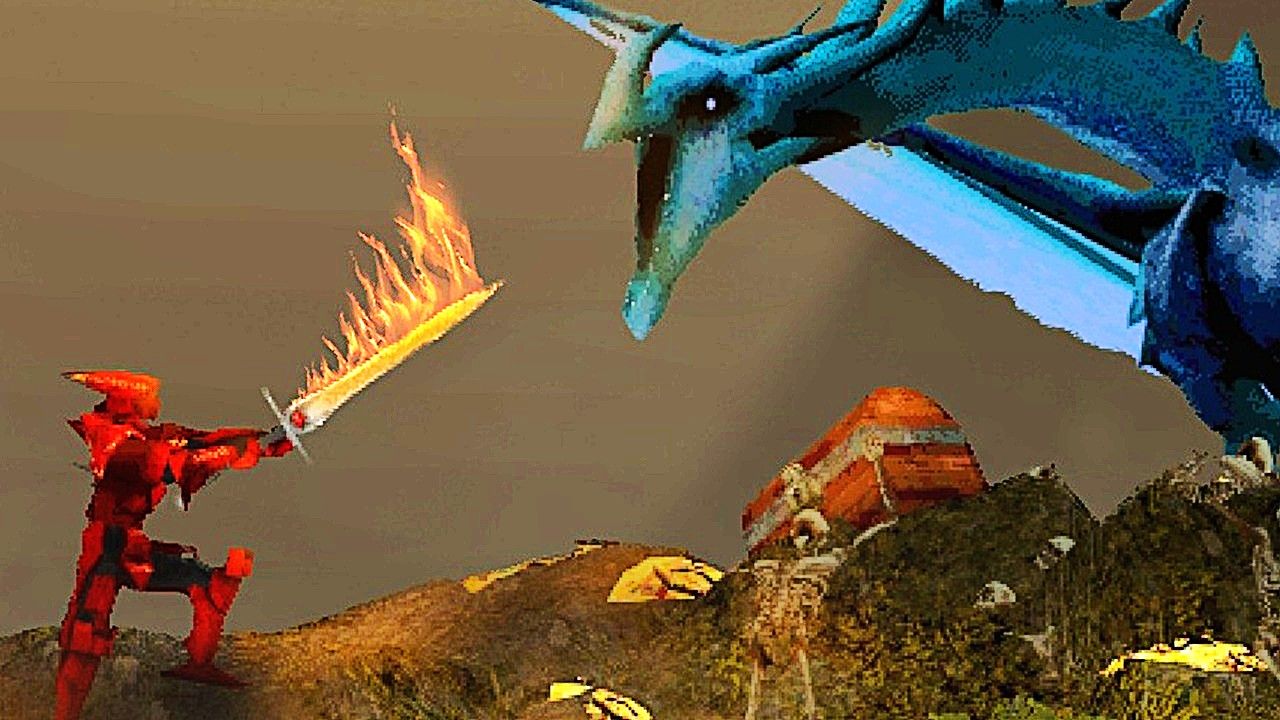
The game’s demo, now available on Steam, showcases a combat system that marries the weighty, methodical duels of Dark Souls with the precision-targeted swings of Jedi Knight. But beyond combat, Sword Hero promises a living, reactive world where NPCs remember grudges, schedules dictate stealth opportunities, and procedural dismemberment leads to mechanical limb replacements—features that would strain even a fully staffed studio.
What makes Székely’s achievement remarkable isn’t just the ambition of the project, but how he’s executing it alone. With the help of a small team of moderators, voice actors, and playtesters, he’s handled programming, art, design, and scripting—while acknowledging the hidden costs of scaling beyond solo development.
The Solo Developer Paradox
Székely’s journey began with modding Gothic and Dungeon Siege, but his leap into full game development came after lockdowns left him with time—and a question: If not now, then when? The result is a game that feels like a love letter to the messy, emergent storytelling of eurojank titles, where systems drive narrative as much as scripted events.
One of the most striking examples is the game’s procedural vengeance system. Steal a vase from an NPC, and they might eventually arm themselves for revenge. Kill a spouse in a drunken brawl, and their partner could hunt you down. These aren’t hardcoded quests; they’re emergent consequences of a world that remembers.
Yet Székely isn’t romanticizing the solo process. Logistical costs—meetings, misaligned visions, the sheer overhead of coordination—can slow progress more than they accelerate it. His Kickstarter’s success, now at over $223,000 with a final stretch goal of $400,000, will allow him to hire an artist and composer, but he’s cautious about expanding too quickly. More hands don’t always mean faster work.
A World That Breathes
The demo’s combat is undeniably compelling, but Sword Hero’s true depth lies in its systems. NPCs don’t wander aimlessly; they follow schedules, react to light sources, and adapt to player actions. Break a torch in a dark alley, and creatures will struggle to see—giving stealth players an edge. The game’s climbing and wall-running mechanics, inspired by Prince of Persia, are gated behind optional perks, ensuring they feel earned rather than mandatory.
Dismemberment and prosthetics, another standout feature, were inspired by Kenshi’s brutal realism. Lose an arm in combat? You’ll need to either regrow it via a faction’s spell or replace it with a mechanical limb—adding both narrative weight and gameplay variety. The first trailer showed a player’s arm being severed by bandits, forcing them into a quest to afford a prosthetic. It wasn’t scripted; it was a demonstration of what the game’s systems can generate.
Stealth, too, is being designed as a fully realized playstyle. NPC routines—sleep schedules, patrol paths—create opportunities for planning. Sneak into a merchant’s home at night, loot their goods, and sell them in the next city before dawn. The world isn’t just reactive; it’s strategic.
What’s Next for Sword Hero
With funding secured and a clear roadmap, Sword Hero is poised to become one of the most ambitious indie RPGs in years. The remaining stretch goal—a $400,000 expansion for the open world—could unlock even more content, though Székely has been tight-lipped about specifics. What’s certain is that this project proves indie development doesn’t require a team to deliver systems-driven depth.
For players who crave the emergent storytelling of eurojank classics, Sword Hero might just be the bridge between nostalgia and innovation. And for developers watching closely, it’s a case study in how a single visionary—armed with nothing but passion and a willingness to learn—can redefine what’s possible in indie game design.