Horseback combat in Highguard* is its most thrilling moment—a chaotic, high-speed duel where players clash mid-gallop, blasting each other off their mounts like a real-life Red Dead Redemption showdown. Yet this excitement is fleeting. By the time teams scramble into cramped bases to plant bombs and reinforce walls, the horse becomes irrelevant. The game’s open-world charm evaporates, leaving behind a series of disconnected phases that feel less like a cohesive experience and more like a haphazard remix of other genres.
The ambition is undeniable. Highguard attempts to distill the best elements of MOBAs, battle royales, and tactical shooters into one package: role-based teamplay, frantic loot hunting, and siege mechanics. But the execution stumbles. The result isn’t a refined hybrid—it’s a game where the mechanics of one genre clash with another, creating a disjointed rhythm that undermines immersion.
Take the combat, for instance. The time-to-kill is too slow for a MOBA’s ability-driven skirmishes but too fast for a satisfying gunfight. Health regeneration and shields in late-game stages stretch out fights unnecessarily, while the single non-ultimate ability per character leaves engagements feeling directionless. It’s as if the game is trying to be Overwatch and Call of Duty at the same time—and failing at both.
Then there’s the looting phase. Farming Vesper (the game’s currency) lacks the tension of a MOBA’s laning phase or a battle royale’s desperate scavenging. Teams are too spread out for meaningful harassment, and the predictable enemy spawns rob the experience of surprises. The downtime between objectives feels hollow, a placeholder rather than a deliberate design choice.
The core issue? Highguard never commits to what makes it unique. Instead of doubling down on its own strengths—horse combat, Shieldbreaker captures, or base sieges—it spreads itself thin across borrowed mechanics. The result is a game that mimics the rhythms of its inspirations without capturing their essence.
Deadlock’s Street Brawl mode, by contrast, nails the formula. Released as a patch, this new variant strips away Deadlock’s traditional MOBA structure in favor of rapid, high-stakes rounds. Teams rush a single lane, fight for control of a tower, then reset for another round—no filler, no distractions. It’s the kind of tight, iterative gameplay Highguard should aspire to. Instead of blending genres, Deadlock sharpens its focus, proving that less can be more when the core mechanics are polished.
At a glance:Horse combat is the game’s standout feature—but it’s rarely the focus.Combat pacing feels misaligned, stretching fights without clear purpose.Looting lacks tension, with predictable enemy patterns and sparse surprises.The game’s monetization (quests, War Chests, cosmetics) feels premature before core gameplay is refined.Deadlock’s Street Brawl mode proves how much tighter the experience can be when it eliminates distractions.
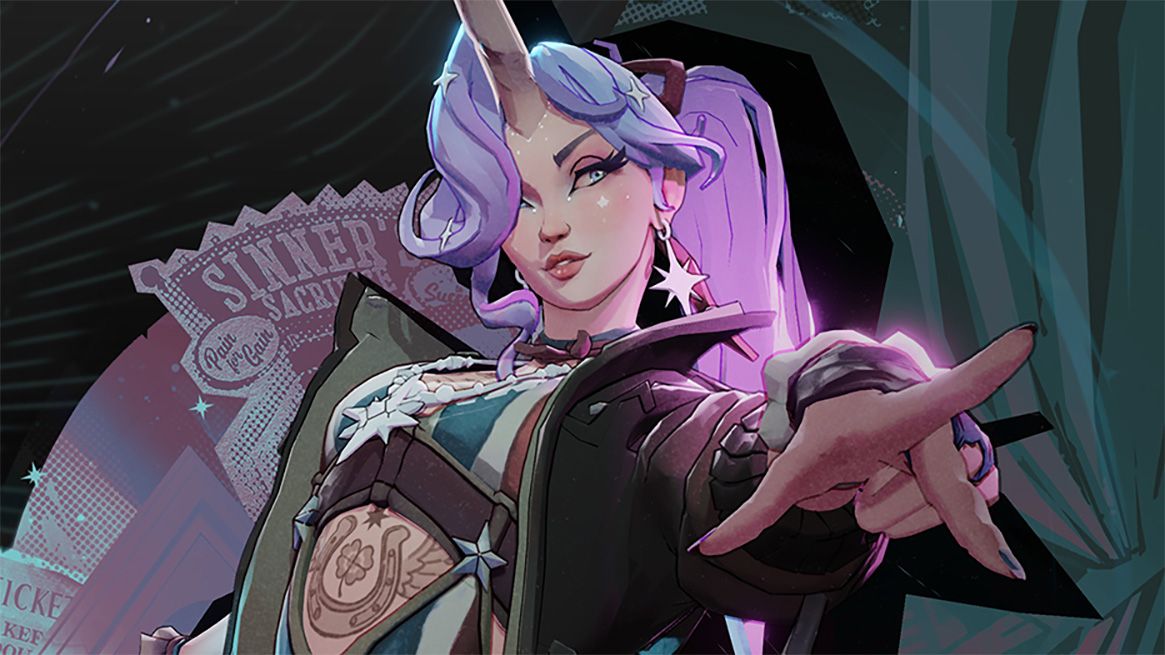
Worldbuilding is another weak point. Deadlock’s occult-infused New York setting is rich with personality—a half-snake protagonist, eerie vibes, and a setting that demands exploration. Highguard’s fantasy world, by comparison, feels like a generic backdrop for its mechanics. The guns, the cast, even the aesthetic—none of it feels distinct enough to justify the game’s existence beyond its borrowed features.
And then there’s the monetization. Highguard has already rolled out daily quests, three currencies, and a battle-pass-like system called War Chests—all before ranked play is even available. It’s a classic case of putting the cart before the horse. Deadlock, in its pre-alpha state, has no monetization at all, no pushy retention tactics. The absence of such systems doesn’t hurt it; it frees up space for gameplay to breathe.
The criticism of Highguard might feel harsh, but the game isn’t bad—it’s just unfocused. In an era where games demand constant attention, Highguard’s fragmented design feels like a missed opportunity. It’s the kind of title that might work as a casual, beer-and-pretzels FPS—but even then, its clunky mechanics and rushed monetization make it hard to recommend over more refined alternatives.
For now, Highguard* remains a curiosity: a game that tries to be everything to everyone and ends up being nothing to no one. Until it finds its footing—or sheds some of its borrowed mechanics—it’ll struggle to compete with titles that commit to a single vision.