The Highguard* experiment ended abruptly this week when Wildlight Entertainment announced mass layoffs just 16 days after its release—a stark reminder of how quickly even well-intentioned games can collapse under industry pressures. The title, unveiled as a surprise at the 2025 Game Awards, became a lightning rod for debate: Did its viral trailer set unrealistic expectations, or was its failure inevitable in an oversaturated FPS market?
At the heart of the controversy lies a fundamental question: Can a game survive the spotlight if its core design flaws—like a 3v3 matchmode on a sprawling map—aren’t addressed? Larian’s publishing director, Michael Douse, dismisses the idea that Game Awards host Geoff Keighley’s trailer alone doomed the project. Instead, he frames the issue as a broader symptom of an industry grappling with unpredictability. Nobody knows what the market demands, he notes. If you don’t already have an audience, you’re throwing money into a void.
The trailer, while unremarkable in hindsight, did one critical thing: it forced Highguard into the conversation. Without it, the game might have launched with near-zero visibility. Yet visibility alone doesn’t guarantee success—especially when technical hiccups, like reported server instability on day one, compound perceived shortcomings. Players who gave it a shot often left disappointed, but Douse argues that blame shouldn’t rest on a single presentation. They didn’t like it because of what it was, he says, not because of how it was marketed.
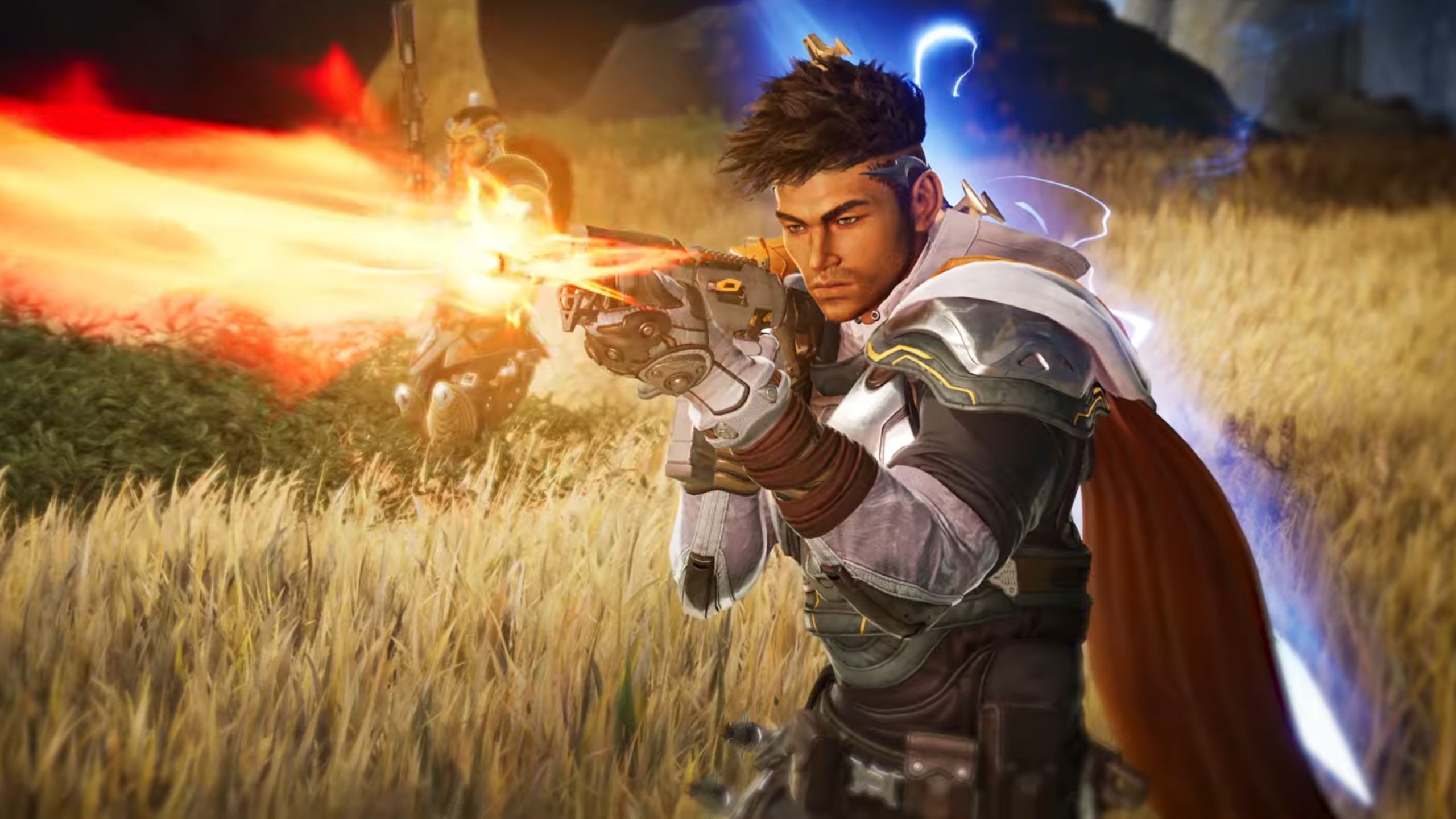
Keighley, who has since weighed in on the layoffs, framed the outcome as a familiar industry reality: Publishers put out games they believe in, and the majority don’t meet expectations. His statement underscores a harsh truth—even games backed by established studios can falter when design and execution misalign with player needs. For Wildlight, the question now isn’t whether Highguard deserved its moment in the spotlight, but whether the industry’s current model allows for second chances.
- Market Saturation: The FPS genre is flooded with derivative titles, making it difficult for new entries to stand out without a pre-built audience.
- Technical Debt: Reports of server issues on launch day may have exacerbated early frustrations, though Wildlight has not confirmed long-term fixes.
- Industry Uncertainty: Publishers and developers face an existential challenge: balancing creative risk with financial viability in an era of shrinking player engagement.
- Trailer vs. Reality: While Keighley’s spotlight amplified exposure, the game’s core design—particularly its 3v3 scaling on large maps—was widely criticized as unpolished.
The fallout from Highguard* isn’t just about one failed game. It’s a microcosm of a larger crisis: an industry where even well-funded projects can collapse under the weight of unmet expectations, and where the line between hype and reality has never been thinner. For Wildlight’s remaining team, the question is whether they’ll pivot—or if this is the end of the road.